Can GLP-1 Medications Cause Dizziness, and What Helps?
Understanding GLP-1 and Dizziness
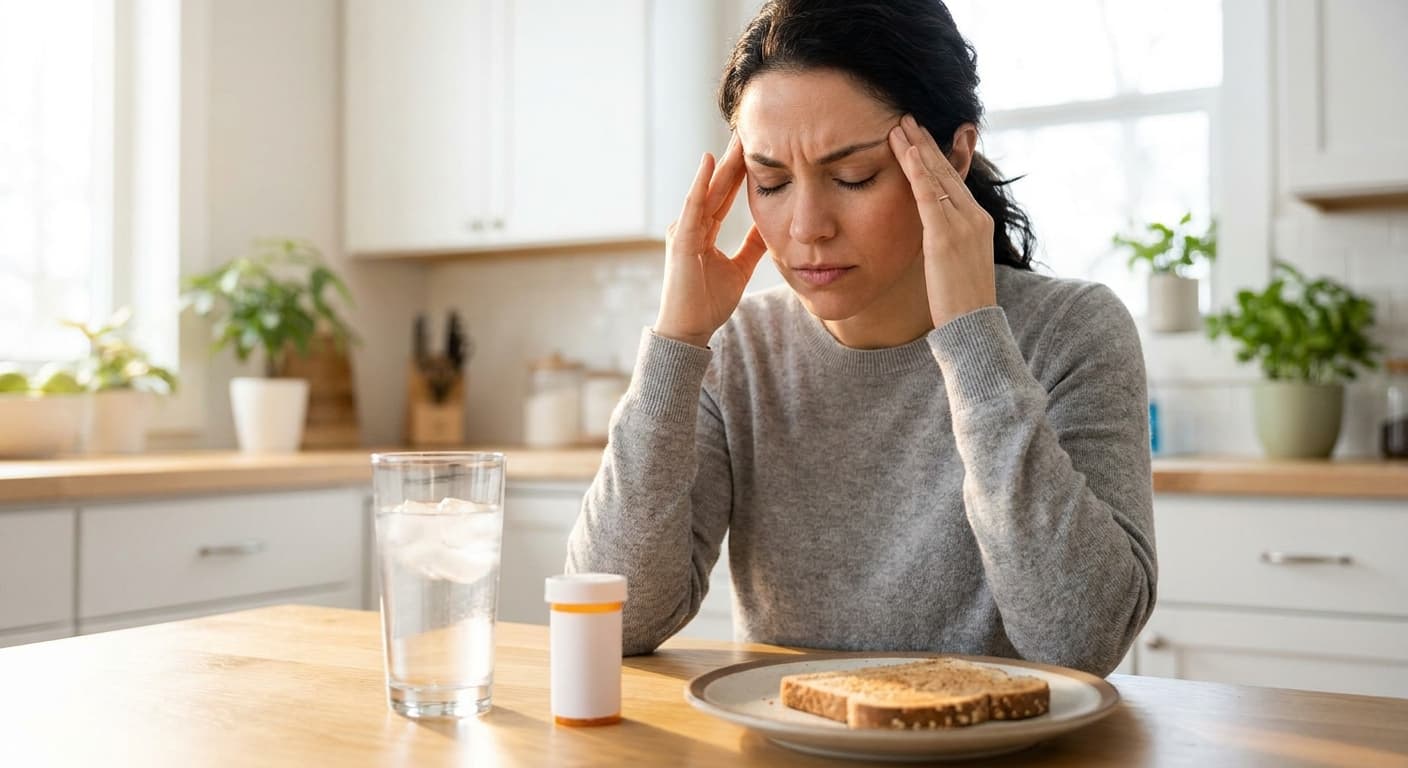
Yes, dizziness can happen when taking GLP-1 medications. GLP-1 receptor agonists like Ozempic, Mounjaro, Wegovy, and Zepbound work by slowing digestion and reducing appetite. This process can affect your blood pressure and blood sugar levels, which may cause dizziness in some people.
Dizziness is not the most common side effect, but it does occur. Understanding why it happens helps you manage it better.
Why Do GLP-1 Medications Cause Dizziness?
GLP-1 medications affect your body in several ways that can lead to dizziness:
Blood Pressure Changes
- These medications can lower your blood pressure
- Lower blood pressure means less blood flow to your brain
- This can make you feel lightheaded or dizzy
Blood Sugar Drops
- GLP-1 drugs help control blood sugar levels
- If your blood sugar drops too quickly, dizziness can follow
- This is especially true if you also take diabetes medications
Dehydration
- GLP-1 medications cause nausea in many people
- Nausea makes it hard to eat and drink enough
- Dehydration is a major cause of dizziness
- Using Dose AI's Water Logging feature helps track your hydration
Digestive Changes
- These medications slow how fast food moves through your stomach
- This change can affect how your body absorbs nutrients
- Poor nutrient absorption may contribute to dizziness
Inner Ear Effects
- Some people report vertigo (spinning sensation)
- This may be related to overall medication adjustment
- It usually improves as your body adapts
When Does Dizziness Typically Occur?
Dizziness from GLP-1 medications often happens:
- During the first few weeks of starting the medication
- When increasing your dose to a higher strength
- When you stand up too quickly (orthostatic hypotension)
- In the morning before eating
- If you're not drinking enough water
Most people find dizziness improves after 2-4 weeks as their body adjusts to the medication.
What Helps Manage GLP-1-Related Dizziness?
Stay Hydrated
Dehydration is one of the easiest dizziness causes to fix.
- Drink at least 8 glasses of water daily
- Sip water throughout the day, not all at once
- Use Dose AI's Water Logging to track your daily intake
- Drink water before, during, and after your GLP-1 shot
- Add electrolyte drinks if plain water feels too plain
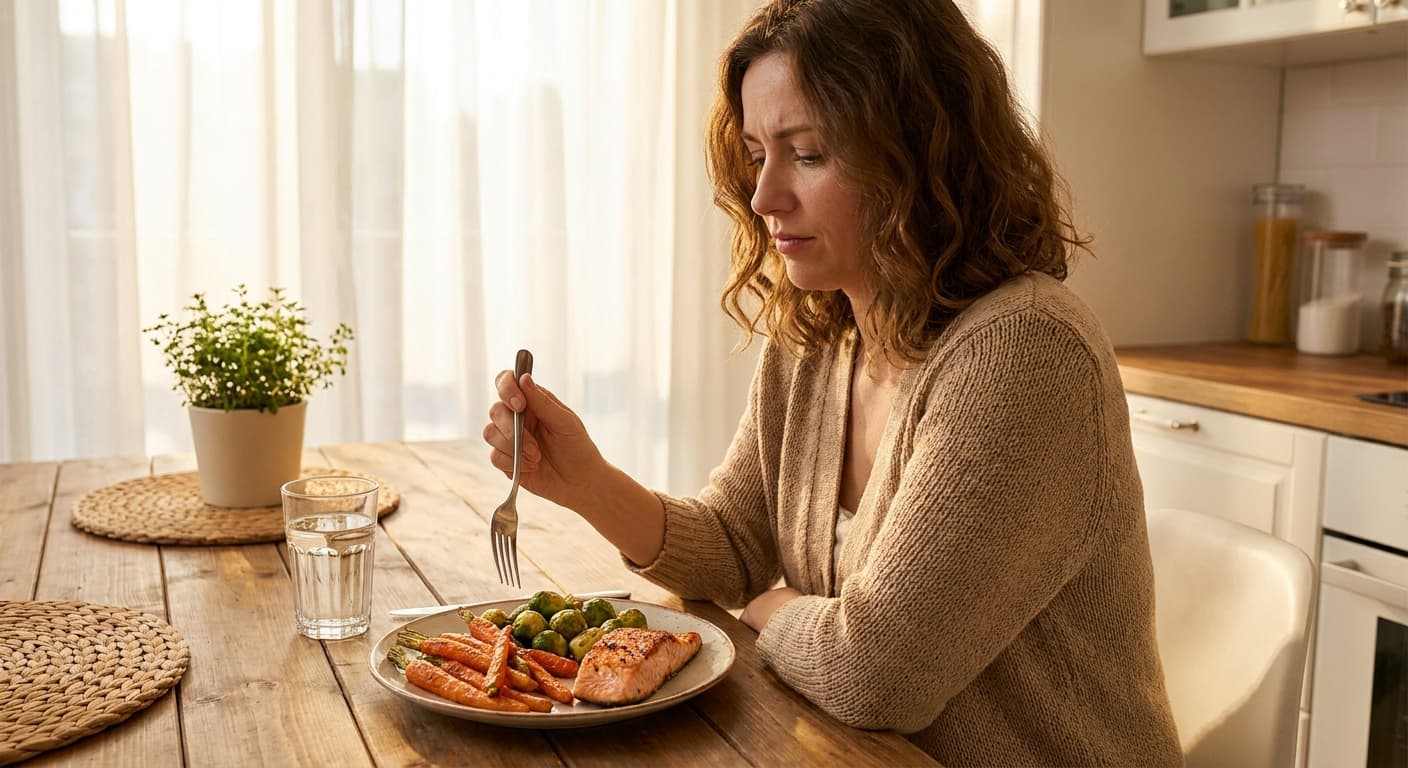
Eat Small, Frequent Meals
Your body needs fuel to maintain stable blood sugar and blood pressure.
- Eat 4-6 small meals instead of 3 large ones
- Include protein with each meal (eggs, chicken, fish, beans)
- Add healthy fats (avocado, nuts, olive oil)
- Include complex carbs (whole grains, vegetables)
- Use Dose AI's Food & Macro Logging to track what you eat by photo
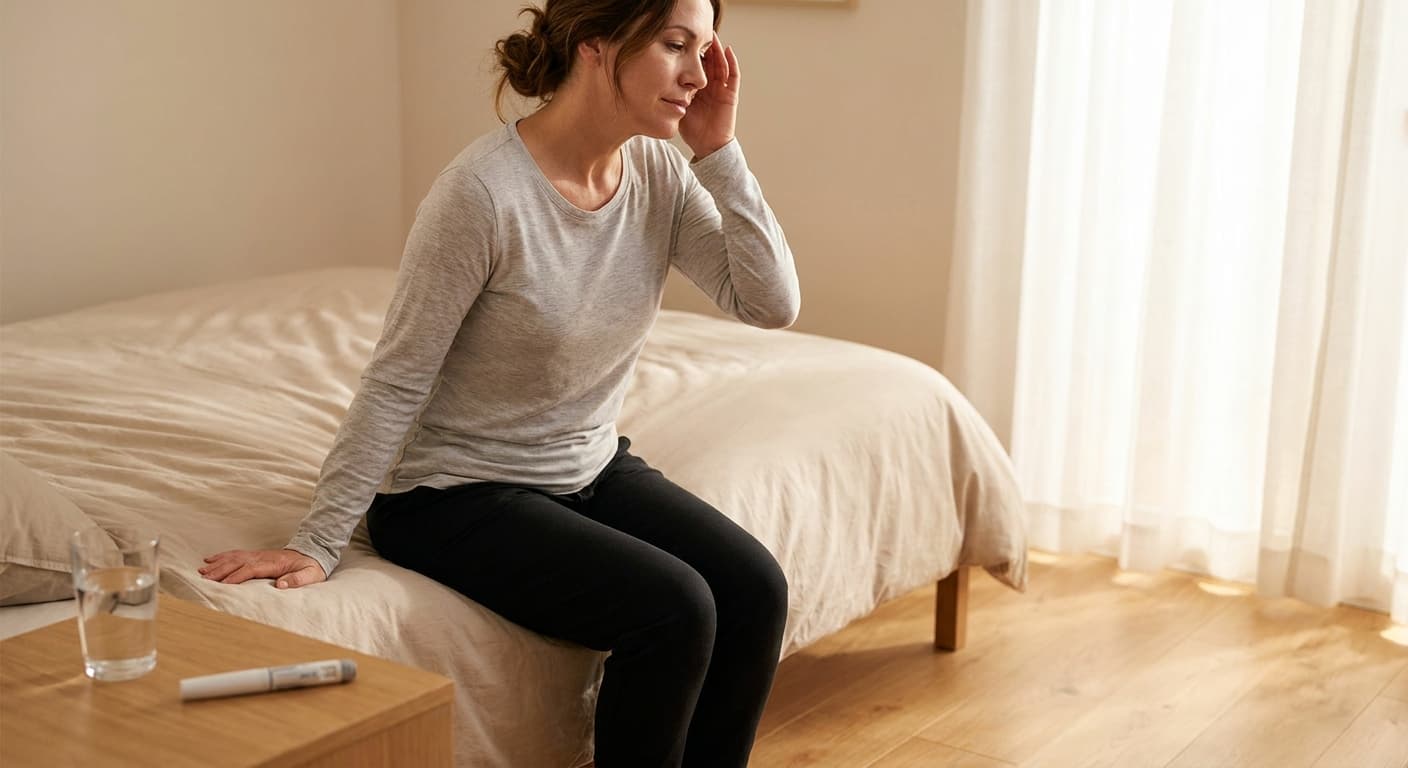
Stand Up Slowly
Dizziness when standing is common with blood pressure changes.
- Sit for a few moments before standing
- Stand slowly and hold onto something stable
- Wait 10-15 seconds before walking
- This gives your blood pressure time to adjust
Check Your Blood Pressure
If dizziness is severe or won't go away, monitor your blood pressure.
- Take readings at the same time each day
- Record them in a journal or app
- Share results with your healthcare provider
- Low blood pressure (below 90/60) needs medical attention
Avoid Sudden Temperature Changes
Temperature shifts can affect blood pressure and dizziness.
- Don't take hot showers right after your shot
- Avoid saunas and hot tubs for the first few hours
- Stay in cool, comfortable environments
- Give your body time to adjust
Reduce Salt and Processed Foods
These foods can affect blood pressure and fluid balance.
- Choose fresh foods over packaged options
- Read food labels for sodium content
- Season food with herbs and spices instead
- Limit processed meats and canned soups
Get Enough Sleep
Poor sleep worsens dizziness and side effects.
- Aim for 7-9 hours of sleep per night
- Keep a consistent sleep schedule
- Avoid screens 1 hour before bed
- Track your sleep patterns to find what works
Gentle Movement and Exercise
Light activity can actually help, but avoid intense workouts.
- Take short walks (10-15 minutes)
- Try gentle stretching or yoga
- Avoid heavy lifting or intense cardio
- Stop immediately if dizziness worsens
Use Dose AI's Symptom Tracker
Track your dizziness patterns to identify triggers.
- Log when dizziness occurs and how long it lasts
- Note what you ate and drank that day
- Record your sleep and stress levels
- Share patterns with your healthcare provider
When Should You Contact Your Doctor?
Dizziness is usually temporary, but contact your healthcare provider if:
- Dizziness is severe or doesn't improve after 2-4 weeks
- You faint or nearly faint
- You have chest pain or shortness of breath with dizziness
- You're unable to eat or drink due to nausea
- Dizziness interferes with daily activities
- You notice new symptoms appearing
Your doctor may:
- Check your blood pressure and blood sugar
- Adjust your medication dose
- Switch you to a different GLP-1 medication
- Prescribe anti-nausea medication
- Refer you to a specialist
Dose AI Tools to Help Manage Dizziness
Shot Logging Track when you take your GLP-1 injection and note any dizziness that follows. This helps identify timing patterns.
Water Logging Dehydration is a major dizziness trigger. Log your water intake daily to ensure you're drinking enough.
Food & Macro Logging Use photo-based logging to track meals and nutrition. Proper nutrition helps stabilize blood sugar and blood pressure.
Symptom Tracker Record daily dizziness, nausea, and other symptoms. The app reveals patterns and helps you communicate with your doctor.
Progress Tracker Log weight and photos alongside your dizziness symptoms to see the full picture of your GLP-1 journey.
Frequently Asked Questions
Q: Is dizziness a sign the medication isn't working? A: No. Dizziness is a side effect, not a sign of effectiveness. Many people experience dizziness early on but still see great results as their body adjusts.
Q: Can I stop taking my GLP-1 medication if I'm dizzy? A: Don't stop without talking to your doctor first. Stopping suddenly can cause other problems. Your doctor may adjust your dose or switch medications instead.
Q: How long does GLP-1-related dizziness last? A: Most people see improvement within 2-4 weeks as their body adjusts. If dizziness continues beyond 4 weeks, contact your healthcare provider.
Q: Does dizziness happen with all GLP-1 medications? A: Dizziness can occur with any GLP-1 medication (Ozempic, Mounjaro, Wegovy, Zepbound, tirzepatide). Some people tolerate one medication better than another.
Q: Can I exercise while experiencing dizziness? A: Light, gentle activity is okay. Avoid intense workouts until dizziness improves. Stop immediately if you feel faint or dizzy during exercise.
Related Articles on Dose AI
- How to Manage Nausea on GLP-1 Medications
- Understanding GLP-1 Side Effects: What to Expect
- Best Foods to Eat When Taking Ozempic or Mounjaro
- How to Stay Hydrated While Taking GLP-1 Drugs
Medical Disclaimer
This article is for educational purposes only and not medical advice. GLP-1 medications including Ozempic, Mounjaro, Wegovy, and Zepbound are prescription drugs that require medical supervision. Always consult your healthcare provider before starting, stopping, or changing any medication. If you experience severe dizziness, fainting, chest pain, or shortness of breath, seek immediate medical attention. Individual responses to GLP-1 medications vary. Your doctor can provide personalized guidance based on your health history and current medications.
Sources
- National Institutes of Health (NIH). GLP-1 Receptor Agonists: Mechanisms and Clinical Applications. https://www.ncbi.nlm.nih.gov/
- American Diabetes Association (ADA). Standards of Care in Diabetes 2024. https://www.diabetes.org/
Last Updated: 2025 Reviewed by: Dose AI Medical Content Team