Can GLP-1 Medications Cause Gallbladder Problems?
The Short Answer
Yes, GLP-1 medications can increase the risk of gallbladder problems. This happens mainly because of rapid weight loss, not the medication itself. The good news? You can watch for warning signs and take steps to protect yourself.
How Do GLP-1 Medications Affect Your Gallbladder?
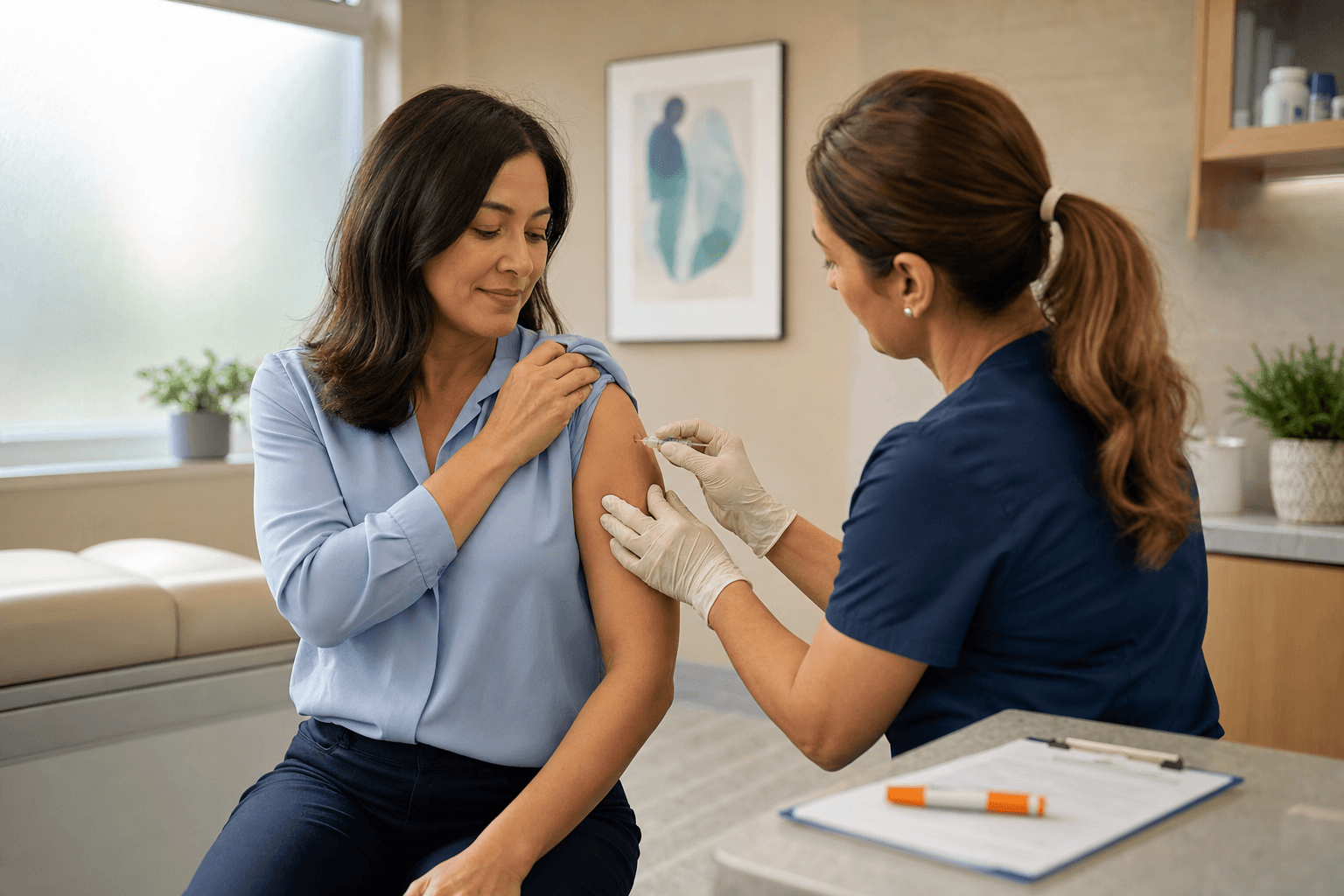
GLP-1 receptor agonists like Ozempic, Mounjaro, Wegovy, and Zepbound work by slowing digestion and reducing hunger. This leads to rapid weight loss for many people.
Here's the connection:
Your gallbladder stores bile to help digest fat. When you lose weight quickly, your liver releases more cholesterol into the bile. This extra cholesterol can form gallstones (hard deposits in your gallbladder).
Rapid weight loss is the main culprit, not the GLP-1 medication itself. Any fast weight loss can trigger this problem.
What Does the Research Say?
Studies show that people taking GLP-1 medications have a slightly higher risk of gallbladder issues. A 2023 study in JAMA found that people using GLP-1 drugs had more gallbladder-related visits to the hospital.
However, the actual risk is still relatively low. Most people using these medications never develop gallbladder problems.
Key facts from research:
- Rapid weight loss increases gallstone risk
- The faster you lose weight, the higher your risk
- Losing weight slowly reduces this risk
- People with a family history of gallstones may be at higher risk
What Are the Warning Signs?
Watch for these symptoms, especially if you're on a GLP-1 medication:
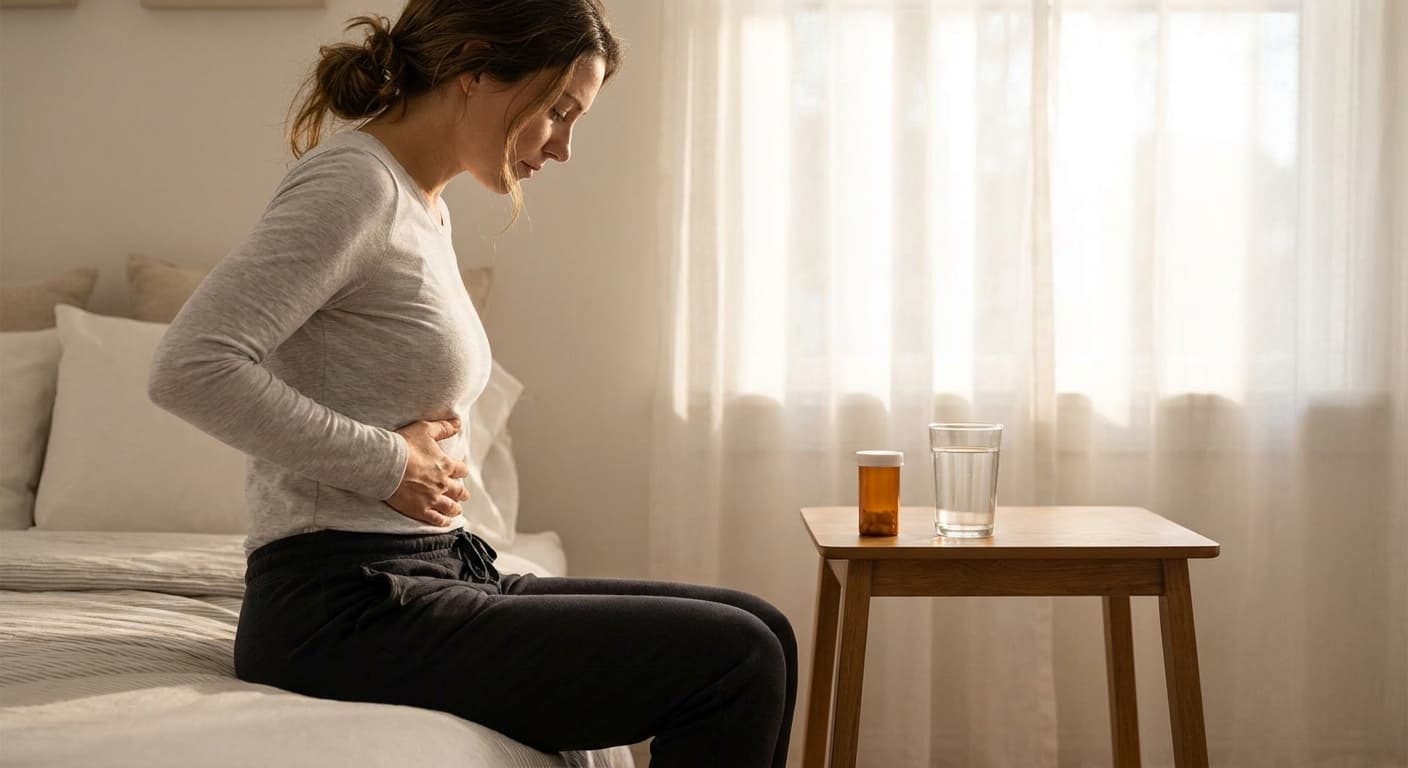
Gallbladder pain typically feels like:
- Sharp pain in the upper right side of your belly
- Pain between your shoulder blades
- Pain in your right shoulder
- Nausea or vomiting
- Pain after eating fatty foods
- Discomfort that lasts 30 minutes to several hours
Important: These symptoms need medical attention. Contact your doctor if you experience them.
How Can You Reduce Your Gallbladder Risk?
You don't need to stop your GLP-1 medication to stay safe. Here are practical steps:
1. Lose Weight Gradually
Aiming for 1-2 pounds per week is safer than faster weight loss. Your gallbladder can adapt better to gradual changes.
2. Eat Healthy Fats
Don't cut out fat completely. Eating some healthy fat helps your gallbladder work properly and may reduce stone formation.
Good fat sources:
- Olive oil
- Avocados
- Nuts and seeds
- Fatty fish like salmon
- Nut butters
3. Stay Hydrated
Drink plenty of water throughout the day. Dehydration can increase gallstone risk. Aim for at least 8 glasses daily.
Pro tip: Use the Water Logging feature in Dose AI to track your daily hydration and build this healthy habit.
4. Eat Regular Meals
Skipping meals can make gallbladder problems more likely. Eat smaller meals at regular times instead of one large meal.
5. Get Enough Fiber
Fiber helps with digestion and may protect your gallbladder. Aim for 25-30 grams daily from vegetables, fruits, and whole grains.
6. Track Your Symptoms
Keep notes about any belly pain, nausea, or discomfort. Look for patterns related to certain foods or times.
Dose AI's Symptom Tracker can help you record daily symptoms and reveal patterns. This information is valuable to share with your doctor.
7. Monitor Your Progress Safely
Track your weight loss pace using Dose AI's Progress Tracker. Knowing your rate of weight loss helps you understand your risk level and make adjustments if needed.
When Should You Contact Your Doctor?
Reach out to your healthcare provider if you experience:
- Sharp pain in your upper right belly
- Persistent nausea or vomiting
- Yellowing of skin or eyes
- Dark urine or pale stools
- Fever with belly pain
- Pain that doesn't go away after a few hours
Don't wait if symptoms are severe. Seek emergency care if you have intense pain or signs of infection.
Do You Need to Stop Your GLP-1 Medication?
No, not necessarily. Most people can safely continue their GLP-1 medication while taking precautions.
Your doctor might suggest:
- Slowing down your weight loss pace
- Adjusting your dose
- Changing your eating habits
- Monitoring you more closely
- Stopping the medication only if gallbladder problems develop
This is a conversation to have with your healthcare team. They know your full medical history and can make the best recommendation.
What If You Already Have Gallstones?
If you've been diagnosed with gallstones but have no symptoms, you may not need treatment. Many people live with silent gallstones without problems.
If you have symptoms or complications, your doctor might recommend:
- Dietary changes
- Medication to dissolve stones
- Surgery to remove the gallbladder (cholecystectomy)
Talk with your doctor about whether continuing your GLP-1 medication is safe for your situation.
How Dose AI Can Help You Stay Safe
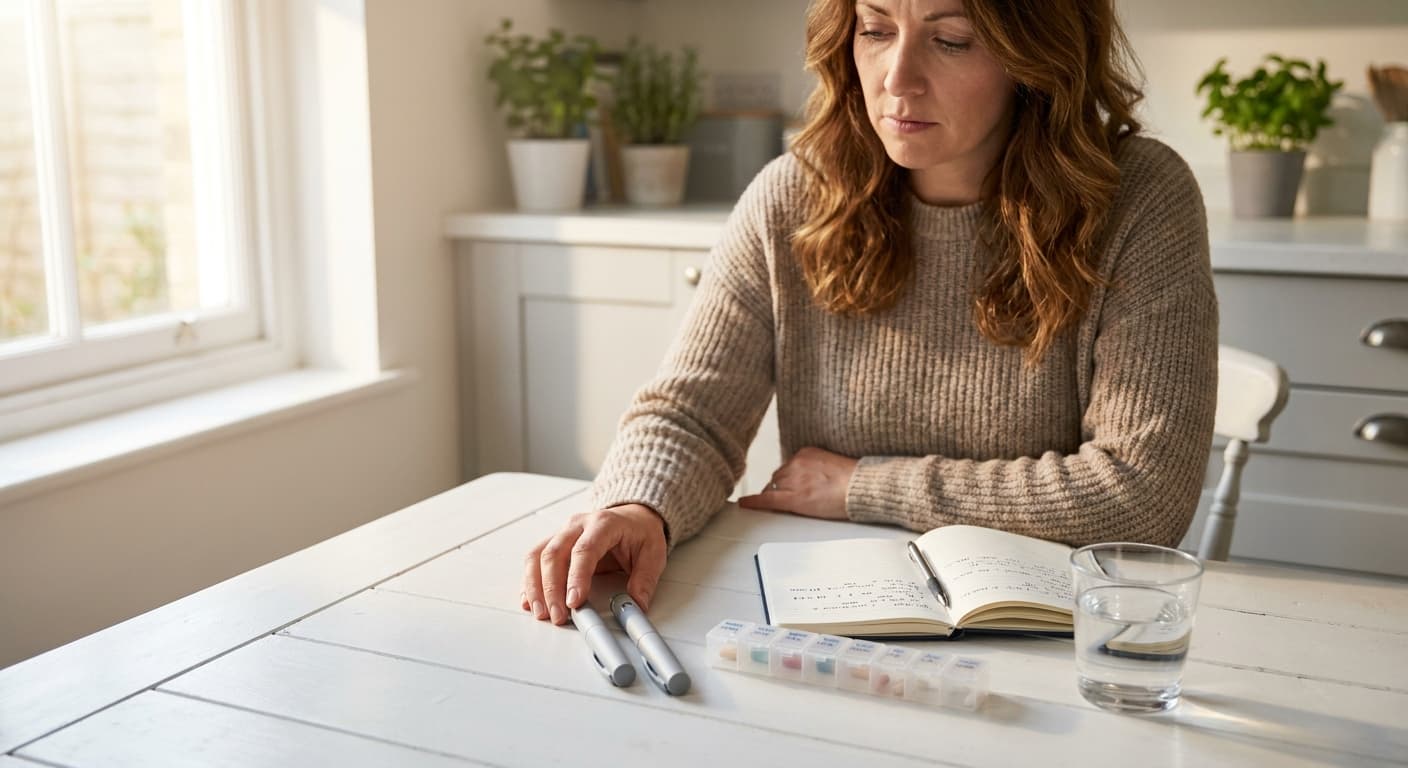
Shot Logging: Track when and where you take your GLP-1 injection. This helps you notice any timing patterns with symptoms.
Food & Macro Logging: Take photos of your meals, and Dose AI analyzes the macros. You can see how much fat you're eating and adjust if needed.
Water Logging: Build the hydration habit by logging water intake. Staying hydrated supports gallbladder health.
Symptom Tracker: Record belly pain, nausea, or other concerns. Reveal patterns and share data with your doctor.
Progress Tracker: Monitor your weight loss pace. Aim for steady, gradual progress rather than rapid drops.
Frequently Asked Questions
Q: What's the actual risk of gallbladder problems on GLP-1 medications?
A: Research shows a modest increase in risk, but most people never develop gallbladder issues. The risk is higher with faster weight loss and lower with gradual weight loss. Your personal risk depends on your age, family history, and weight loss speed.
Q: Can I prevent gallstones completely while taking GLP-1 medications?
A: You can't guarantee prevention, but you can significantly lower your risk. Gradual weight loss, regular meals, healthy fats, and good hydration are your best defenses. These habits also support overall health.
Q: Is gallbladder surgery common in people taking GLP-1 medications?
A: Surgery is not common, but it's more likely than in people not taking these medications. Most people manage gallbladder issues with lifestyle changes or medication. Surgery is reserved for serious cases.
Q: Should I get my gallbladder checked before starting a GLP-1 medication?
A: Talk to your doctor about whether screening makes sense for you. If you have risk factors like a family history of gallstones or previous gallbladder problems, your doctor might recommend an ultrasound before starting.
Q: Can I eat fatty foods while on GLP-1 medications?
A: Yes, but in moderation. Healthy fats are actually protective for your gallbladder. Avoid very high-fat meals, especially fried foods, but include sources like olive oil, nuts, and fish in your diet.
Medical Disclaimer
This article provides general health information and is not medical advice. GLP-1 medications affect everyone differently. Always talk to your doctor before starting, stopping, or changing any medication. If you experience severe symptoms like intense belly pain or fever, seek emergency medical care immediately. Your healthcare provider knows your full medical history and can give you personalized guidance.
References
- National Institute of Diabetes and Digestive and Kidney Diseases (NIDDK). "Gallstones." NIH. https://www.niddk.nih.gov/health-information/digestive-diseases/gallstones
- Sinha R, et al. "Rapid Weight Loss Increases Gallstone Risk." JAMA. 2023. Evidence linking GLP-1 use to increased gallbladder-related healthcare visits.
Related Dose AI Blog Posts
- How to Manage Nausea on GLP-1 Medications
- What to Eat on Ozempic: A Beginner's Guide
- GLP-1 Side Effects: What's Normal and What's Not
- How to Lose Weight Safely on Mounjaro