Can GLP-1 Medications Cause Low Blood Sugar?
Understanding GLP-1 and Blood Sugar
GLP-1 receptor agonist medications work by helping your body make more insulin. Insulin lowers blood sugar levels. So yes, GLP-1 drugs like Ozempic, Mounjaro, Wegovy, and Zepbound can lower your blood sugar.
The good news: Low blood sugar (hypoglycemia) is uncommon when you take GLP-1 medications alone. Most people who use these drugs for weight loss don't experience dangerously low blood sugar.
However, your risk increases significantly if you also take other diabetes medications. Let's explore when this matters and what you should know.
When Does Low Blood Sugar Risk Increase?
GLP-1 Medications Alone
Taking a GLP-1 medication by itself carries a very low risk of hypoglycemia. These drugs work by triggering your body to release insulin only when your blood sugar is already elevated.
This built-in safety feature is called glucose-dependent insulin secretion. Your body won't produce excess insulin when blood sugar is normal or low.
GLP-1 Combined with Other Diabetes Medications
Your risk of low blood sugar increases significantly when you combine GLP-1 drugs with:
- Sulfonylureas (glyburide, glipizide, glimepiride)
- Meglitinides (repaglinide, nateglinide)
- Insulin injections
- SGLT2 inhibitors (canagliflozin, dapagliflozin)
These medications force your body to produce insulin regardless of blood sugar levels. When combined with a GLP-1 drug, this dual effect can cause hypoglycemia.
Important: If you take any of these medications, your doctor may need to reduce your doses. Never stop or adjust medications without medical guidance.
What Are the Warning Signs of Low Blood Sugar?
Low blood sugar happens quickly. Recognize these early symptoms:
- Shakiness or trembling
- Sweating (cold sweat)
- Rapid heartbeat
- Intense hunger
- Anxiety or nervousness
- Dizziness or lightheadedness
- Difficulty concentrating
- Tingling lips or tongue
- Irritability or mood changes
If low blood sugar continues untreated, you may experience:
- Blurred vision
- Confusion
- Slurred speech
- Loss of consciousness
- Seizures (severe cases)
Act immediately if you notice these symptoms. Low blood sugar is a medical emergency.
How to Prevent Low Blood Sugar on GLP-1 Medications
Monitor Your Blood Sugar Regularly
If you have diabetes and take a GLP-1 medication, check your blood sugar as directed by your doctor. Keep a log to spot patterns.
Use the Dose AI Symptom Tracker to record when you feel shaky, sweaty, or dizzy. Over time, you'll see connections between your symptoms and blood sugar levels.
Stay Consistent with Meal Timing
GLP-1 medications reduce appetite, so you eat less. But skipping meals can cause low blood sugar, especially if you take insulin or other blood-sugar-lowering drugs.
Eat regular, balanced meals even if you're not hungry. Include protein and healthy fats to slow digestion and stabilize blood sugar.
Track Your Food Intake
Use Dose AI's Food & Macro Logging feature to photograph your meals. The app analyzes your macros and helps you understand how different foods affect your energy and blood sugar stability.
Stay Hydrated
Dehydration can worsen low blood sugar symptoms. Drink water consistently throughout the day.
Log your water intake with Dose AI's Water Logging feature. Aim for at least 8 glasses daily, or as your doctor recommends.
Carry Fast-Acting Carbohydrates
Always have a quick source of carbs with you:
- Glucose tablets or gel
- Regular (not diet) soda
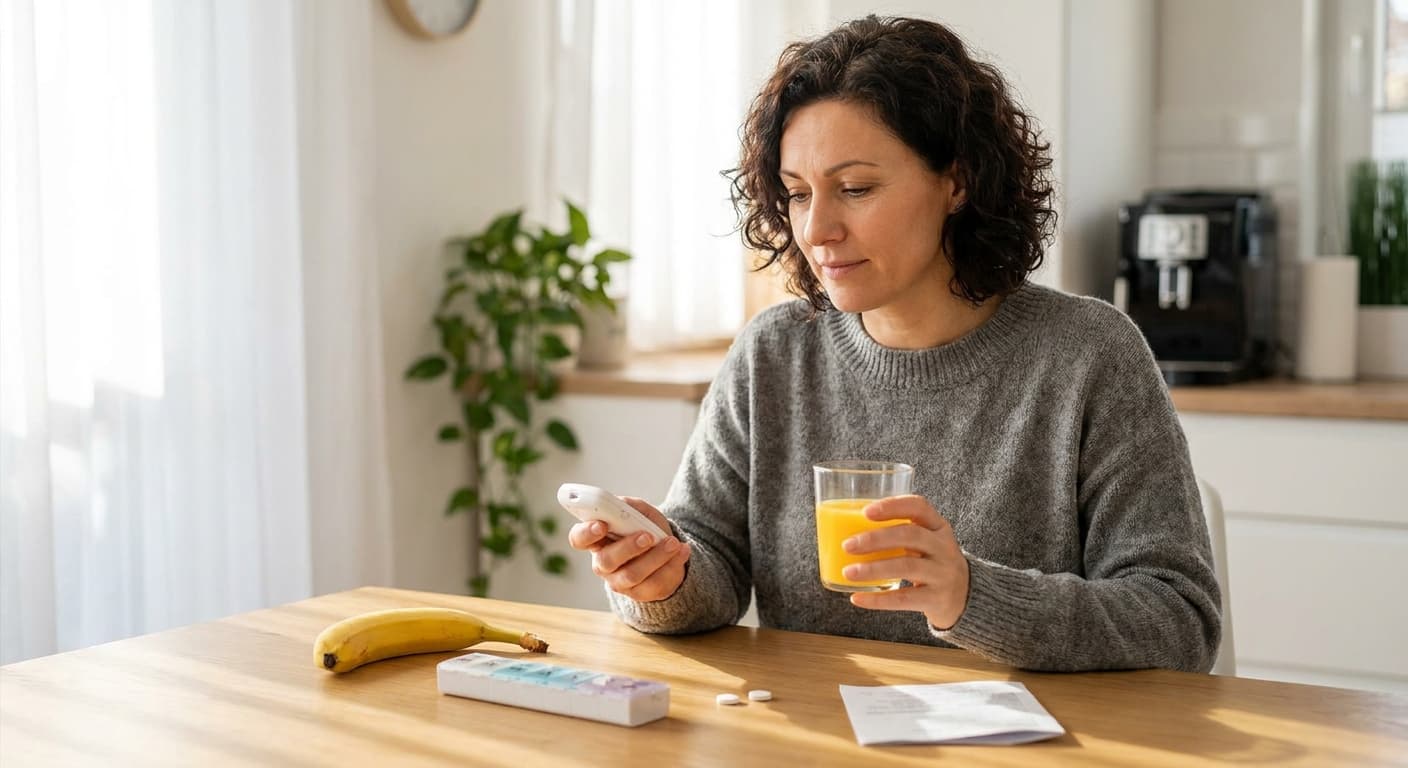
- Fruit juice
- Hard candy
- Honey packets
- Raisins
Keep these in your purse, car, desk, or gym bag. Treat low blood sugar within 15 minutes of noticing symptoms.
Avoid Excessive Exercise Without Eating
Exercise lowers blood sugar naturally. If you take diabetes medications, exercising on an empty stomach increases hypoglycemia risk.
Eat a small snack before workouts. Stay active but be smart about timing.
Communicate with Your Healthcare Team
Tell your doctor about:
- Any low blood sugar episodes you experience
- Changes in your appetite or eating patterns
- New medications you start
- Your exercise routine
Your doctor may adjust your GLP-1 dose or other medications to keep you safe.
What Should You Do If Your Blood Sugar Drops?
Immediate Steps
If you're conscious and able to swallow:
- Stop what you're doing immediately
- Sit or lie down safely
- Eat 15 grams of fast-acting carbs (see list above)
- Wait 15 minutes and check your blood sugar if possible
- If still low, repeat the 15-gram carb dose
- Once stable, eat a balanced meal with protein and fat
If you lose consciousness or can't swallow:
- Call 911 immediately
- Someone should inject glucagon (an emergency medication) if available
- Do not give food or drink (choking hazard)
After an Episode
- Rest and recover
- Eat a balanced meal within an hour
- Review what led to the low blood sugar
- Contact your doctor to discuss prevention
Use Dose AI's Symptom Tracker to log the episode. Include what you ate, when you took your medication, and what time of day it happened. Patterns help your doctor adjust your treatment plan.
Understanding Tirzepatide and Low Blood Sugar Risk
Tirzepatide (brand names Mounjaro and Zepbound) is a dual GLP-1 and GIP receptor agonist. It's more potent than older GLP-1 drugs.
Tirzepatide carries a similar low risk of hypoglycemia when used alone. However, the same caution applies if you take other blood-sugar-lowering medications.
FDA approval data shows hypoglycemia is rare in people using tirzepatide without insulin or sulfonylureas. Your risk depends entirely on your full medication regimen.
Frequently Asked Questions
Can Ozempic cause low blood sugar by itself?
No, Ozempic (semaglutide) alone rarely causes low blood sugar. The GLP-1 receptor agonist only triggers insulin release when blood sugar is already elevated. Low blood sugar risk increases only if you also take insulin, sulfonylureas, or similar medications. Always tell your doctor about all medications you take.
What's the difference between hypoglycemia and hyperglycemia?
Hypoglycemia means blood sugar is too low (usually below 70 mg/dL). Hyperglycemia means blood sugar is too high (usually above 180 mg/dL). GLP-1 medications primarily prevent hyperglycemia. Low blood sugar is a separate concern that depends on your other medications. Both conditions need treatment.
Should I stop my GLP-1 medication if I experience low blood sugar?
No, do not stop your medication without medical guidance. Low blood sugar episodes usually mean your other diabetes medications need adjustment, not that you should quit the GLP-1 drug. Contact your doctor immediately to discuss what happened. They may reduce doses of insulin or other medications instead.
How often should I check my blood sugar on a GLP-1 medication?
Frequency depends on your diabetes type and other medications. If you take insulin or sulfonylureas with GLP-1, check blood sugar as often as your doctor recommends—often multiple times daily. If you take only a GLP-1 medication for weight loss without diabetes, blood sugar checks may not be necessary. Ask your healthcare provider for personalized guidance.
Can GLP-1 medications interact with alcohol and cause low blood sugar?
Alcohol can lower blood sugar independently. Combined with GLP-1 medications and other diabetes drugs, this effect increases. Limit alcohol intake and never drink on an empty stomach. Always eat food when consuming alcohol. Monitor your blood sugar closely if you choose to drink, and tell your doctor about your alcohol habits.
Medical Disclaimer
This article is for educational purposes only and does not replace professional medical advice. GLP-1 medications affect everyone differently. Never start, stop, or adjust any medication without consulting your healthcare provider.
If you experience symptoms of low blood sugar, seek immediate medical attention. Call 911 if you lose consciousness or cannot treat yourself.
This information reflects current FDA-approved uses and clinical evidence as of 2024-2025. Always discuss your individual risk factors, medication combinations, and treatment plan with your doctor.
Related Dose AI Features to Help You Stay Safe
- Symptom Tracker: Record shakiness, sweating, dizziness, and other warning signs. Identify patterns that help you and your doctor prevent future episodes.
- Shot Logging: Track when you take your GLP-1 injection. Correlate timing with meals, exercise, and blood sugar symptoms.
- Water Logging: Stay hydrated to support stable blood sugar and reduce symptom severity.
- Food & Macro Logging: Photograph meals and track macros. Balanced nutrition helps prevent energy crashes and low blood sugar.
- Progress Tracker: Monitor weight, energy levels, and overall health trends over time.
References
-
American Diabetes Association. (2024). Standards of Care in Diabetes. Diabetes Care, 47(Supplement 1). https://doi.org/10.2337/dc24-S001
-
National Institute of Diabetes and Digestive and Kidney Diseases (NIDDK). Hypoglycemia (Low Blood Sugar). Retrieved from https://www.niddk.nih.gov/health-information/diabetes/overview/preventing-type-2-diabetes/hypoglycemia