Can You Change Your GLP-1 Shot Day Safely?
Understanding Your GLP-1 Schedule
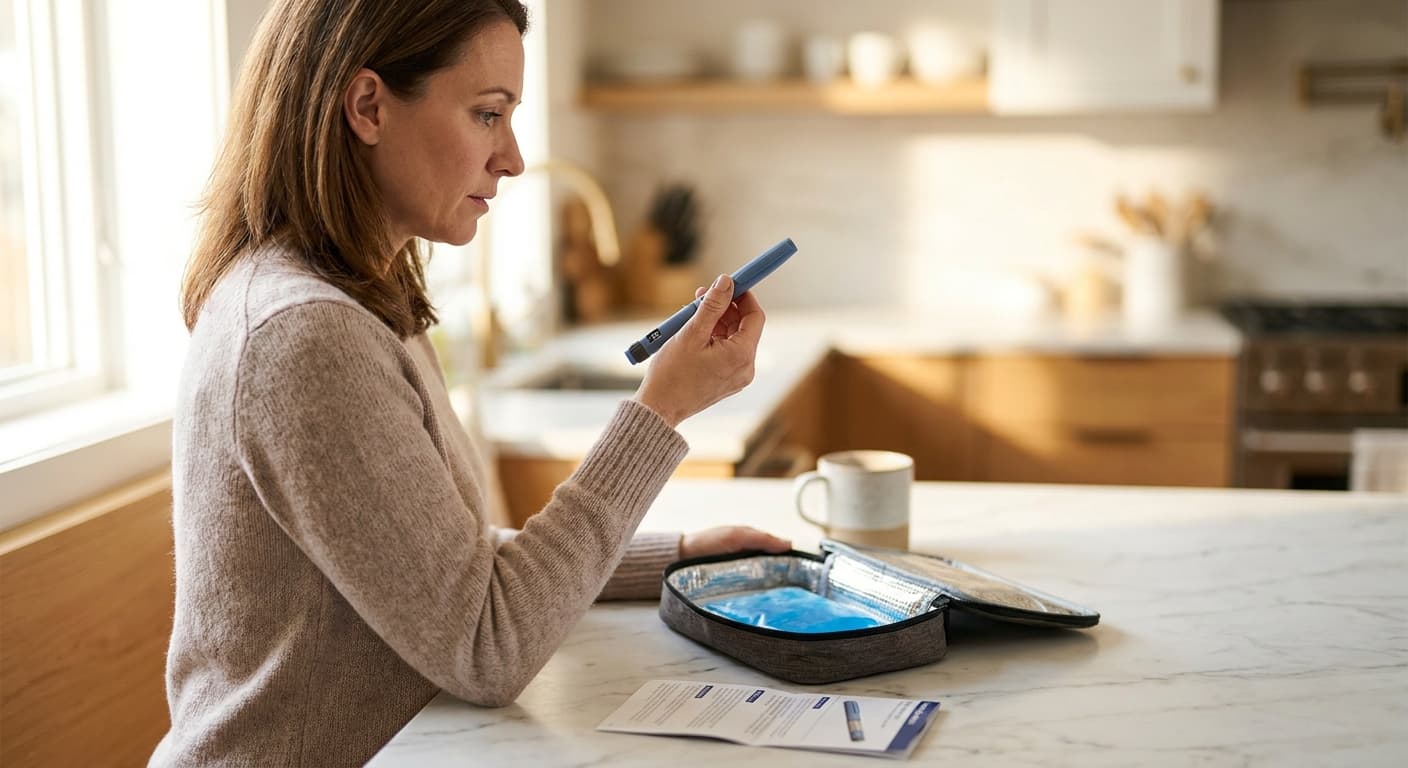
GLP-1 medications like Ozempic, Wegovy, and Mounjaro are typically given once per week. Your shot day is important because it helps you stay consistent with your treatment.
But life happens. Work schedules change. Travel plans pop up. You might wonder if you can shift your injection day.
The short answer: Yes, you can often change your shot day safely. But there are important rules to follow.
Is It Safe to Change Your Shot Day?
The general rule: You can move your injection day, but you need proper spacing between doses.
Here's what matters:
- Minimum spacing: You need at least 2 days between shots (48 hours).
- Maximum spacing: You shouldn't wait more than 7 days between doses.
- The goal: Stay as close to your regular weekly schedule as possible.
Think of it like this: Your body gets used to receiving medication at the same time each week. Changing the day throws off that rhythm slightly. But as long as you maintain proper spacing, your medication will still work.
How to Safely Change Your Shot Day
Step 1: Talk to Your Doctor First
Before you make any changes, contact your healthcare provider. They know your specific situation and can give personalized guidance.
Your doctor might have reasons to keep your current schedule. They can also help you plan the transition.
Step 2: Choose Your New Day
Pick a day that works long-term. This becomes your new regular injection day.
Make sure it's at least 2 days away from your last shot. For example:
- Last shot: Monday
- New shot day: Wednesday or later (not Tuesday)
Step 3: Take Your Next Shot on the New Day
Once you've moved to your new day, stick with it. Consistency matters more than perfection.
Your body adjusts to the new rhythm within 1-2 weeks.
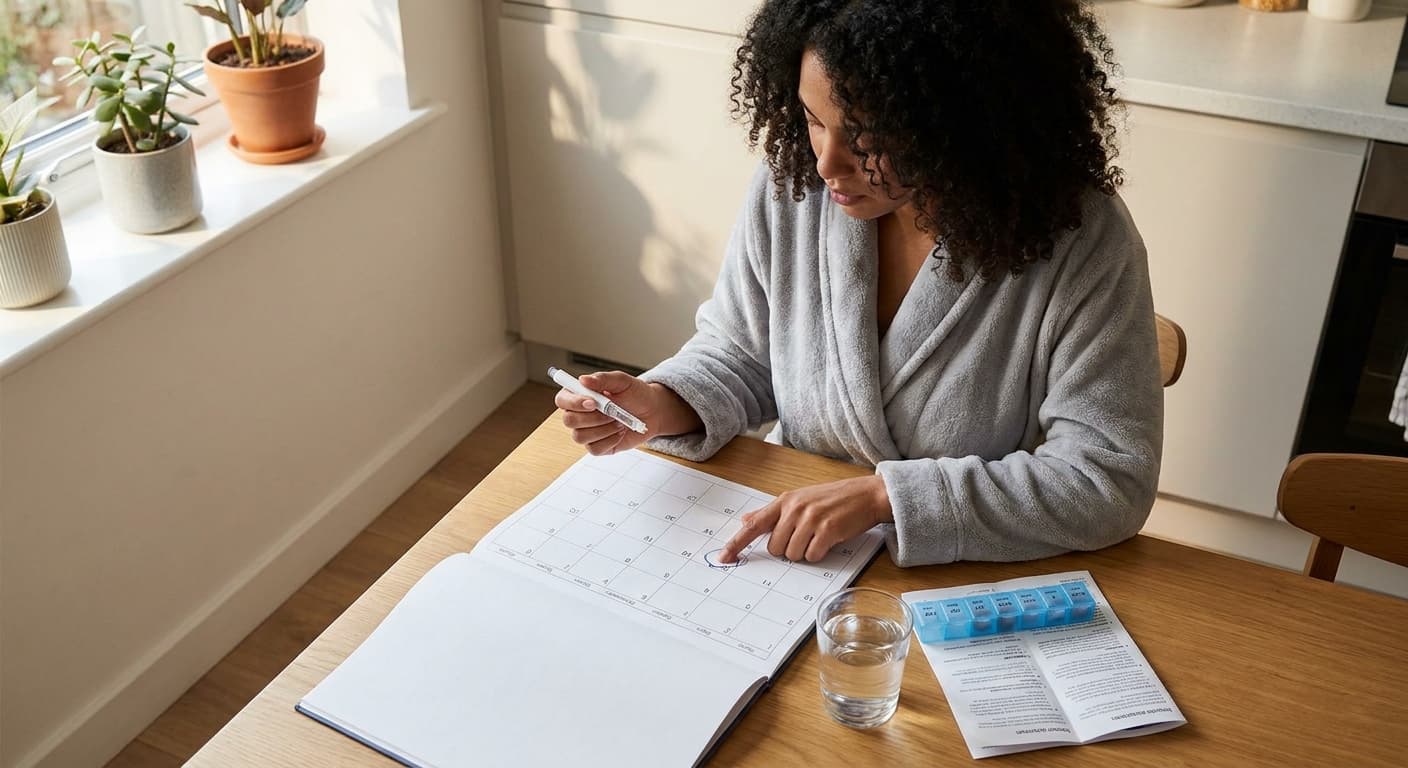
Step 4: Mark Your Calendar
Use your phone, planner, or the Dose AI app to track your new shot day. This prevents confusion and missed doses.
The Dose AI Shot Logging feature lets you record when and where you took your injection. This creates a clear record for you and your doctor.
Examples of Safe Schedule Changes
Example 1: Moving from Monday to Thursday
- Last Monday shot: Day 0
- Thursday shot (4 days later): Safe and acceptable
- New routine: Inject every Thursday
Example 2: Moving from Friday to Wednesday
- Last Friday shot: Day 0
- Wednesday shot (5 days later): Safe and acceptable
- New routine: Inject every Wednesday
Example 3: Traveling and adjusting timing
- Normally inject on Tuesday
- Traveling on Tuesday, so you inject on Sunday instead (2 days early)
- This is safe because you maintained proper spacing
- Your new regular day becomes Sunday
What NOT to Do
Don't skip a dose to change your day. This can disrupt your treatment and cause blood sugar fluctuations.
Don't inject twice in one week to "catch up" or reset your schedule. This increases your dose and raises side effect risk.
Don't wait more than 7 days between shots without talking to your doctor. This breaks your treatment consistency.
Don't change your dose amount when you change your day. Keep your prescribed dose the same.
Timing Within Your Day
You can also adjust what time of day you inject, which is slightly different from changing your injection day.
Most people inject at the same time each week (like 8 AM every Monday). But you have flexibility:
- You can inject in the morning, afternoon, or evening.
- You can shift your injection time by a few hours without problems.
- The exact time matters less than consistency.
If you're changing both your day AND your time, do it gradually over 1-2 weeks if possible.
Special Situations
Traveling Across Time Zones
If you're traveling and crossing time zones, you have options:
- Keep your original schedule: Inject on your normal day, even if the local time is different.
- Adjust to local time: If your trip is longer than a few days, you can move your shot day slightly.
- Ask your doctor: For international trips, call your healthcare provider for specific guidance.
Missed Your Scheduled Day
If you accidentally missed your shot day:
- Within 2 days: Take your shot as soon as you remember.
- More than 2 days late: Contact your doctor before injecting.
- More than 7 days late: Don't inject without talking to your healthcare provider first.
Starting a New Prescription
When you first start GLP-1 medication, your doctor picks your initial shot day. This is based on when you pick up your prescription and your personal schedule.
You can discuss changing it at your first follow-up appointment if needed.
Why Consistency Matters
Your GLP-1 medication works best with a steady, predictable schedule. Here's why:
- Appetite control: The medication's effect builds up over the week. Missing doses or irregular timing reduces appetite suppression.
- Blood sugar management: Steady dosing keeps blood sugar levels more stable.
- Side effect management: Consistent timing helps your body adjust and reduces nausea and other side effects.
- Treatment tracking: A regular schedule makes it easier to monitor what's working.
Use Dose AI's Symptom Tracker to record how you feel after your injection. Over time, you'll see patterns. If you change your shot day, tracking symptoms helps you notice if the new schedule affects how you feel.
Documentation and Your Doctor
Keep a record of your shot day and any changes you make.
Write down:
- Your original shot day
- The date you changed it
- Your new shot day
- Any side effects you noticed during the transition
Share this information with your doctor at your next appointment. They can see if the new schedule is working well for you.
The Dose AI app automatically logs your shots, so you have a clear history to share with your healthcare provider.
When to Contact Your Doctor
Call your healthcare provider if:
- You're unsure about changing your shot day
- You've missed more than one dose
- You're experiencing new or worsening side effects after changing your day
- You're traveling internationally and need guidance
- You want to change your shot day but your schedule is complicated
Your doctor is your partner in managing your GLP-1 treatment. They want you to succeed and feel supported.
Frequently Asked Questions
Can I change my shot day every week? No. Your body needs consistency to work with the medication effectively. Pick a new day and stick with it for at least several weeks. Changing weekly disrupts your treatment and makes it harder to manage side effects.
What if I'm only 1 day off my regular schedule? That's usually fine. If you normally inject on Monday but inject on Tuesday instead, the spacing is still good. Just return to your regular schedule the following week if possible, or make Tuesday your new regular day.
Can I take my GLP-1 shot at a different time of day? Yes. You can inject in the morning, afternoon, or evening. You can even shift your time by several hours. What matters most is staying consistent with your day of the week.
If I miss my shot day, how late can I be? You can safely take your shot up to 2 days late (48+ hours after your scheduled day). If it's been more than 2 days, contact your doctor before injecting.
Does changing my shot day affect weight loss results? Changing your day once shouldn't impact your results. But frequent changes or missed doses can disrupt your treatment. Consistency helps you get the best appetite suppression and weight loss benefits.
Medical Disclaimer
This article is for educational purposes only and does not replace professional medical advice. GLP-1 medications like tirzepatide (Mounjaro), semaglutide (Ozempic, Wegovy), and other GLP-1 receptor agonists require medical supervision.
Always consult your healthcare provider before changing your medication schedule, adjusting doses, or making any modifications to your treatment plan. Your doctor knows your full medical history and can provide personalized guidance.
If you experience severe side effects, chest pain, difficulty breathing, or signs of pancreatitis, seek emergency medical care immediately.
Related Dose AI Resources
- How to Properly Inject Your GLP-1 Medication
- Managing GLP-1 Side Effects: A Complete Guide
- Tracking Your GLP-1 Progress: What to Measure
- GLP-1 Medication Storage and Travel Tips
Sources
- FDA Prescribing Information for Ozempic (semaglutide) - https://www.fda.gov
- National Institutes of Health: GLP-1 Receptor Agonists in Type 2 Diabetes - https://www.ncbi.nlm.nih.gov