Can You Fast Safely While Taking Ozempic or Wegovy?
Quick Answer
Fasting while taking Ozempic or Wegovy is generally considered safe for most people. However, you should always talk to your doctor first. GLP-1 medications already reduce hunger, which can make fasting easier. But skipping meals combined with these medications requires careful planning.
What Does Fasting Mean?
Fasting means not eating food for a set period of time. Common types include:
- Intermittent fasting: Eating within a shorter time window (like 8 hours) and fasting for longer periods (like 16 hours)
- Extended fasting: Not eating for 24 hours or more
- Religious fasting: Fasting for spiritual reasons
This article focuses on intermittent fasting, which is most common among people taking GLP-1 medications.
How Do Ozempic and Wegovy Affect Hunger?
Ozempic and Wegovy are GLP-1 receptor agonists. They work by:
- Slowing how fast your stomach empties
- Sending signals to your brain that you're full
- Reducing cravings and appetite
This means you naturally eat less. Many people taking these medications report they forget to eat or lose interest in food they once loved.
This reduced hunger can make fasting feel easier than it normally would.
Is Fasting Safe While Taking These Medications?
The short answer: Yes, for most people, with your doctor's approval.
Here's what research and medical experts say:
- GLP-1 medications are designed to work with reduced food intake
- Your body can handle periods without food while on these drugs
- Fasting may even enhance the weight loss benefits you're already experiencing
- No major studies show that fasting with GLP-1s causes harm in healthy adults
However, certain people should NOT fast while taking Ozempic or Wegovy. Talk to your doctor if you have:
- Type 1 diabetes
- A history of eating disorders
- Severe kidney or liver disease
- Low blood sugar problems
- Pregnancy or breastfeeding
What You Need to Know Before Fasting
Medication Timing Matters
If you take Ozempic or Wegovy as a weekly injection, fasting doesn't affect how the medication works. The injection enters your bloodstream over time, not through food.
However, if you take other medications with food, check with your doctor. Some medications need food to absorb properly.
Hydration Is Critical
This is non-negotiable. When fasting on GLP-1s, drink plenty of water.
Why? Because:
- GLP-1s slow stomach emptying, which can cause bloating or constipation
- Dehydration makes these side effects worse
- Water helps your body function during fasting periods
- Proper hydration supports your metabolism
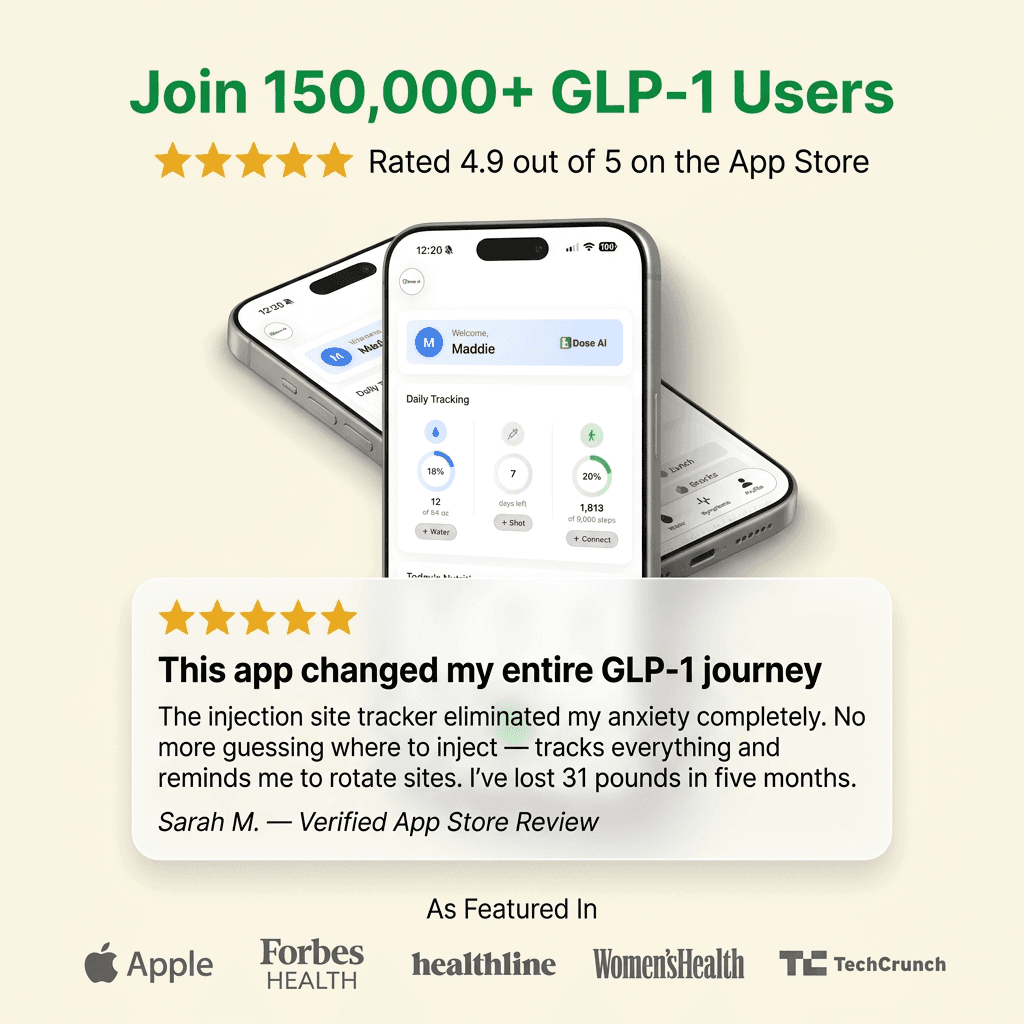
Use a water logging tool to track your daily intake and hit your hydration goals. Aim for at least 8-10 glasses of water daily, more if you're fasting.
Blood Sugar Monitoring
If you take Ozempic for diabetes, fasting requires extra caution.
- Monitor your blood sugar before, during, and after fasting periods
- Low blood sugar (hypoglycemia) is a real risk
- Talk to your doctor about adjusting insulin or other diabetes medications if you plan to fast
- Never fast without medical supervision if you're on diabetes medications
Start Slowly
Don't jump into 24-hour fasts right away.
Try this approach:
- Start with a 12-hour overnight fast (your normal sleep)
- Increase to 14 hours after one week
- Work up to 16 hours if it feels good
- Listen to your body and stop if you feel unwell
What Happens to Your Body When You Fast on GLP-1s?
Energy Levels
Because you're eating less and fasting, your energy might dip. This is normal and usually temporary.
- Eat nutrient-dense foods during eating windows
- Stay hydrated
- Get enough sleep
- Consider light exercise rather than intense workouts
Nausea and Stomach Issues
GLP-1s can cause nausea, and fasting might make this worse for some people.
If you experience nausea while fasting:
- Break your fast earlier than planned
- Eat something bland and small
- Drink ginger tea or sip water slowly
- Talk to your doctor if it persists
Muscle Loss Risk
Extended fasting combined with low food intake could lead to muscle loss over time.
To protect muscle mass:
- Eat adequate protein during your eating window
- Include strength training 2-3 times per week
- Don't fast for extremely long periods (stick to 16 hours or less)
- Track your macros using a food logging app to ensure you're getting enough protein
How to Fast Safely on Ozempic or Wegovy
Step 1: Get Doctor Approval
Schedule a conversation with your prescribing doctor or primary care provider. Tell them:
- Your plan to fast
- How long you want to fast
- Your current health conditions
- Any other medications you take
Step 2: Start Small
Begin with 12-14 hour fasts. Your body needs time to adjust.
Step 3: Eat Nutrient-Dense Foods
During your eating window, focus on:
- Lean proteins (chicken, fish, eggs, tofu)
- Vegetables (broccoli, spinach, peppers)
- Healthy fats (avocado, nuts, olive oil)
- Whole grains (brown rice, oats, quinoa)
Avoid:
- Ultra-processed foods
- Sugary drinks and snacks
- Large meals right before your fasting window
Use a food logging tool that analyzes macros by photo. This helps you understand if you're getting enough protein and nutrients in fewer meals.
Step 4: Track Your Symptoms
Keep a record of how you feel during fasting periods.
Log:
- Energy levels
- Hunger sensations
- Nausea or digestive issues
- Sleep quality
- Mood changes
Use a symptom tracker to identify patterns. If you notice problems, adjust your fasting schedule or talk to your doctor.
Step 5: Stay Hydrated
Drink water consistently throughout the day, especially during fasting periods.
- Aim for 8-10 glasses daily minimum
- Add electrolytes if fasting longer than 16 hours
- Avoid caffeine on an empty stomach (it can cause jitters)
Step 6: Monitor Your Progress
Track your weight and how you feel overall.
- Take progress photos weekly
- Weigh yourself 1-2 times per week
- Notice changes in how your clothes fit
- Record energy and mood improvements
Use a progress tracker to see your journey over time. This keeps you motivated and helps your doctor see what's working.
Common Concerns About Fasting on GLP-1s
Will Fasting Make Side Effects Worse?
Maybe, maybe not. It depends on the person.
Some people find that fasting reduces nausea because they're eating less overall. Others experience more nausea on an empty stomach.
The only way to know is to try it carefully and track your symptoms.
Can I Still Lose Weight If I Fast?
Yes. In fact, some research suggests fasting combined with GLP-1s may enhance weight loss. But the difference is usually small compared to just taking the medication and eating normally.
The real benefit of fasting is simplicity. Fewer eating windows means fewer decisions about food.
What If I Feel Dizzy or Weak?
Stop fasting immediately. Eat something small and balanced.
Dizziness or weakness during a fast means:
- You may not be eating enough during eating windows
- You might be dehydrated
- Your blood sugar might be dropping (especially if you have diabetes)
- Your body isn't ready for this fasting schedule
Talk to your doctor before trying again.
Can I Exercise While Fasting on GLP-1s?
Yes, but be smart about it.
- Light to moderate exercise (walking, yoga, stretching) is fine while fasting
- Avoid intense workouts on an empty stomach
- Eat protein and carbs before and after strength training
- Stay extra hydrated
When You Should NOT Fast on Ozempic or Wegovy
Do not fast if you have:
- Type 1 diabetes (high risk of low blood sugar)
- A history of eating disorders or disordered eating patterns
- Severe liver or kidney disease
- Medications that require food for absorption
- Pregnancy or breastfeeding
- Severe nausea from the medication
- Medical conditions your doctor says contraindicate fasting
If any of these apply to you, talk to your doctor before changing your eating pattern.
The Bottom Line
Fasting while taking Ozempic or Wegovy is generally safe for healthy adults. The medications actually make fasting easier because they reduce hunger naturally.
But safety depends on:
- Your doctor's approval
- Starting slowly and listening to your body
- Staying hydrated
- Eating nutrient-dense foods during eating windows
- Tracking how you feel and adjusting as needed
Fasting isn't necessary for weight loss on GLP-1s. These medications work well whether you fast or eat normally. Choose the eating pattern that feels sustainable and healthy for you.
Frequently Asked Questions
Can I take my Ozempic or Wegovy while fasting?
Yes. These are weekly injections that enter your bloodstream independently of food. The injection works the same whether you're fasting or eating. However, if you take other medications by mouth, check with your doctor about whether they need food for proper absorption.
How long can I safely fast while on a GLP-1?
Most experts recommend intermittent fasting windows of 12-16 hours for people on GLP-1s. Extended fasts beyond 24 hours should only be done under medical supervision. Start with 12-14 hours and increase gradually as your body adapts.
Will fasting help me lose weight faster on Ozempic or Wegovy?
Possibly, but probably not significantly. These medications already reduce calorie intake by suppressing appetite. Fasting may provide a small additional benefit, but the main advantage is simplicity. Focus on consistent, sustainable eating patterns rather than chasing rapid weight loss.
What should I eat when I break a fast on a GLP-1?
Break your fast with small, balanced meals containing protein, healthy fats, and vegetables. Avoid large meals or sugary foods right after fasting. Examples: scrambled eggs with toast, Greek yogurt with berries, chicken and broccoli. Eat slowly and stop when you feel full.
Is intermittent fasting safe if I have type 2 diabetes and take Ozempic?
Intermittent fasting can be safe with type 2 diabetes and Ozempic, but requires careful monitoring. You must work closely with your doctor because fasting can lower blood sugar. Monitor your blood sugar before, during, and after fasting. Your doctor may need to adjust your Ozempic dose or other diabetes medications.
Medical Disclaimer
This article is for educational purposes only and does not replace professional medical advice. Fasting while taking Ozempic, Wegovy, or any GLP-1 medication carries individual risks and benefits. Always consult with your doctor or healthcare provider before starting any fasting regimen, especially if you have diabetes, take multiple medications, or have a history of eating disorders. Do not adjust your medication dose without medical guidance. If you experience severe symptoms like dizziness, chest pain, or persistent nausea, seek immediate medical attention.
Related Dose AI Articles to Explore
- How to Manage Nausea and Digestive Issues on GLP-1s
- Best Foods to Eat While Taking Ozempic or Wegovy
- Understanding GLP-1 Receptor Agonists: How They Work
- Tracking Your Progress on Ozempic: A Complete Guide
- Can You Drink Alcohol While Taking Ozempic?
Sources
- National Institutes of Health (NIH). "Intermittent Fasting and Metabolic Health." https://www.ncbi.nlm.nih.gov/
- American Diabetes Association. "Medication and Nutrition Management for Diabetes." https://www.diabetes.org/