Can You Take Electrolytes While on GLP-1 Medications?
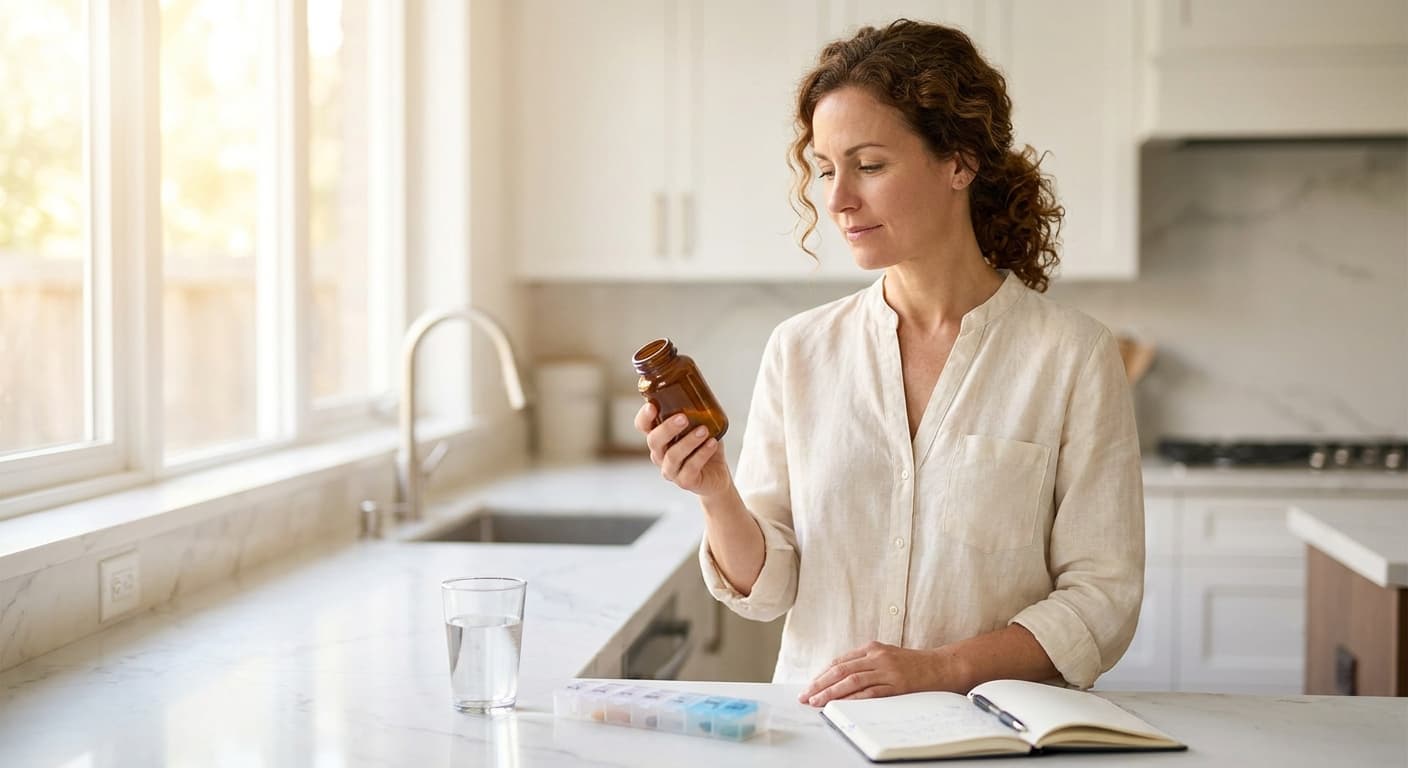
Yes, you can take electrolytes while using GLP-1 medications like Ozempic, Wegovy, Mounjaro, or Zepbound. In fact, staying hydrated with electrolytes may help prevent some side effects. Let's explore when and how to use them safely.
Why Electrolytes Matter on GLP-1s
GLP-1 receptor agonists can cause nausea, vomiting, and diarrhea. These side effects lead to fluid loss. When you lose fluids, you also lose important minerals called electrolytes.
Electrolytes include:
- Sodium (salt)
- Potassium
- Magnesium
- Calcium
Your body needs these minerals to function properly. They help your heart, muscles, and nerves work correctly.
What Happens When You're Dehydrated on GLP-1s?
Dehydration can make GLP-1 side effects worse. You might experience:
- Dizziness or lightheadedness
- Headaches
- Fatigue
- Muscle cramps
- Nausea that feels stronger
Staying hydrated with electrolytes can reduce these symptoms. This is why hydration is so important when taking GLP-1 medications.
Are Electrolyte Drinks Safe With GLP-1s?
Most electrolyte drinks are safe to use alongside GLP-1 medications. However, choose wisely. Some options work better than others.
Good electrolyte choices:
- Sugar-free sports drinks (Gatorade Zero, Powerade Zero)
- Coconut water (lower in sugar)
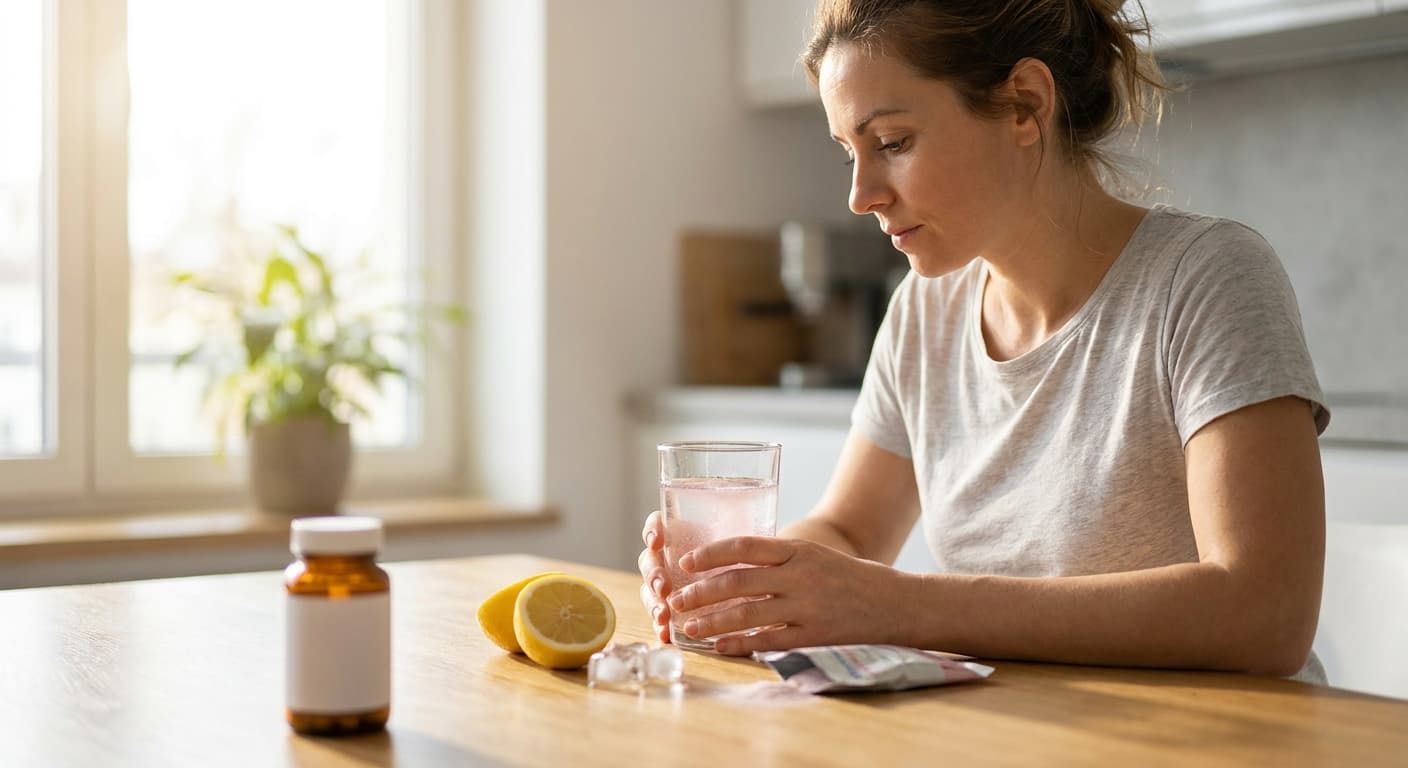
- Electrolyte packets you mix with water (LMNT, Liquid IV)
- Bone broth
- Low-sodium vegetable broth
- Plain water with a pinch of salt
Avoid high-sugar electrolyte drinks. Many traditional sports drinks contain 20+ grams of sugar per serving. GLP-1 medications work better when you eat less sugar and fewer calories.
How Much Water Should You Drink?
A good starting point is half your body weight in ounces of water daily. For example, if you weigh 200 pounds, drink 100 ounces (about 3 liters) per day.
On GLP-1 medications, aim for even more. Try to drink at least 8-10 glasses of water daily. Spread it throughout the day rather than drinking it all at once.
Pro tip: Use Dose AI's Water Logging feature to track your daily hydration. Logging helps you spot patterns between dehydration and side effects.
When Should You Add Electrolytes?
You don't need electrolytes every time you drink water. But consider adding them if:
- You're experiencing nausea or vomiting
- You have diarrhea
- You're exercising or sweating
- You feel dizzy or fatigued
- You've been sick
On normal days with no side effects, plain water is usually enough. Your food also provides electrolytes naturally.
What About Sodium on GLP-1s?
Some people worry about sodium intake on GLP-1s. This is worth discussing with your doctor, especially if you have high blood pressure.
Most people on GLP-1s don't need to worry about extra sodium. However, if your doctor has told you to limit salt, choose low-sodium electrolyte options.
You can also get electrolytes from food:
- Leafy greens (magnesium, calcium)
- Bananas (potassium)
- Eggs (sodium, potassium)
- Greek yogurt (calcium, sodium)
- Salmon (potassium, magnesium)
- Nuts and seeds (magnesium)
Can You Drink Too Many Electrolytes?
Yes, it's possible to overdo electrolytes, though it's rare. Drinking excessive amounts of electrolyte drinks can cause:
- Nausea
- Headaches
- Muscle weakness
- Irregular heartbeat (in severe cases)
Stick to recommended amounts. Most electrolyte packets are designed for one serving per day. Don't consume multiple servings unless your doctor recommends it.
If you're exercising heavily or sweating a lot, you can use electrolytes more frequently. But for everyday hydration on GLP-1s, one electrolyte drink or packet daily is usually enough.
How to Track Your Hydration
Staying on top of hydration helps you manage side effects better. Here's a simple approach:
- Set a daily water goal (at least 8-10 glasses)
- Drink water with meals and between meals
- Add electrolytes 2-3 times per week or when needed
- Use Dose AI's Water Logging feature to record your intake
- Note how you feel each day in the Symptom Tracker
Over time, you'll see which hydration patterns help you feel best. Some people find that consistent electrolyte use reduces nausea. Others do fine with plain water most days.
Should You Talk to Your Doctor About Electrolytes?
Yes, it's a good idea to mention electrolytes to your healthcare provider. This is especially important if:
- You have kidney disease
- You have heart disease
- You take medications that affect electrolyte balance
- You have high blood pressure
- You're experiencing severe side effects
Your doctor can recommend the best electrolyte products for your specific situation. They might also suggest specific types or amounts based on your health history.
Frequently Asked Questions
Can electrolytes interact with GLP-1 medications?
No, electrolytes don't interact with GLP-1 medications like Ozempic, Mounjaro, Wegovy, or Zepbound. They work in different ways in your body. However, talk to your doctor about any concerns specific to your health.
Are coconut water and electrolyte packets better than sports drinks?
Both can work well. Coconut water is more natural but slightly higher in sugar. Electrolyte packets are often sugar-free and more convenient. Choose based on your preferences and sugar tolerance.
How do I know if I'm dehydrated?
Signs of dehydration include dark urine, dry mouth, dizziness, fatigue, and headaches. If you notice these symptoms, drink water and consider adding electrolytes. Use Dose AI's Symptom Tracker to log these feelings and spot patterns.
Can I use electrolytes if I have high blood pressure?
Maybe. Some electrolyte products are high in sodium, which can raise blood pressure. Talk to your doctor about low-sodium options. Many electrolyte packets allow you to control sodium levels.
Should I drink electrolytes every day on GLP-1s?
Not necessarily. If you're feeling fine and have no side effects, plain water is usually enough. Use electrolytes when you need them—during side effects, exercise, or hot weather.
Related Dose AI Blog Articles
- How to Manage Nausea on GLP-1 Medications
- What to Eat When You Have Diarrhea on Ozempic
- GLP-1 Hydration: Why Water Matters for Your Weight Loss Journey
- Best Foods for Electrolyte Balance on Mounjaro
Medical Disclaimer
This article is for informational purposes only and should not replace professional medical advice. GLP-1 medications like Ozempic, Mounjaro, Wegovy, and Zepbound are prescription drugs that work as GLP-1 receptor agonists to help with weight loss and blood sugar control.
Always consult your healthcare provider before starting any new supplement, electrolyte drink, or hydration regimen, especially if you have existing health conditions, take other medications, or experience severe side effects.
Do not use this information to diagnose, treat, or manage any medical condition. If you experience symptoms of severe dehydration, electrolyte imbalance, or other concerning side effects, contact your doctor or emergency services immediately.
Sources
- National Institutes of Health (NIH): Electrolytes and Dehydration Management
- FDA: GLP-1 Receptor Agonists Safety Information and Patient Guidance