How Can You Relieve Constipation on Zepbound?
Constipation is one of the most common side effects of Zepbound. The good news? There are many safe, practical ways to manage it. This guide explains why it happens and what you can do right now.
Why Does Zepbound Cause Constipation?
Zepbound contains semaglutide, a GLP-1 receptor agonist medication. It works by slowing how fast your stomach empties food. This helps you feel full longer and eat less.
But this same slowing effect can slow your digestive system overall. That's why constipation happens. You're also likely eating smaller portions, which means less bulk moving through your intestines.
The good news: constipation usually improves as your body adjusts to Zepbound. Most people find relief within a few weeks.
How to Relieve Constipation: Practical Steps
Drink More Water
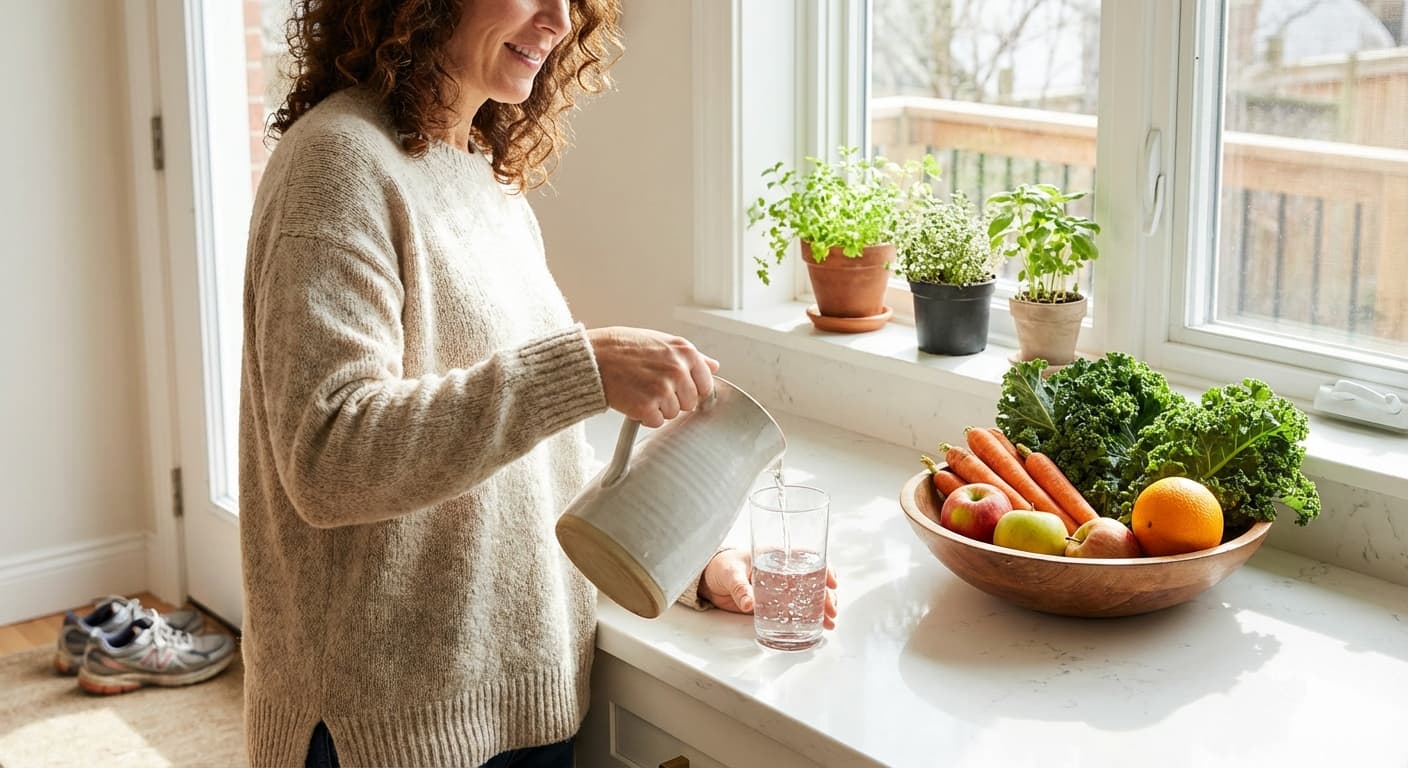
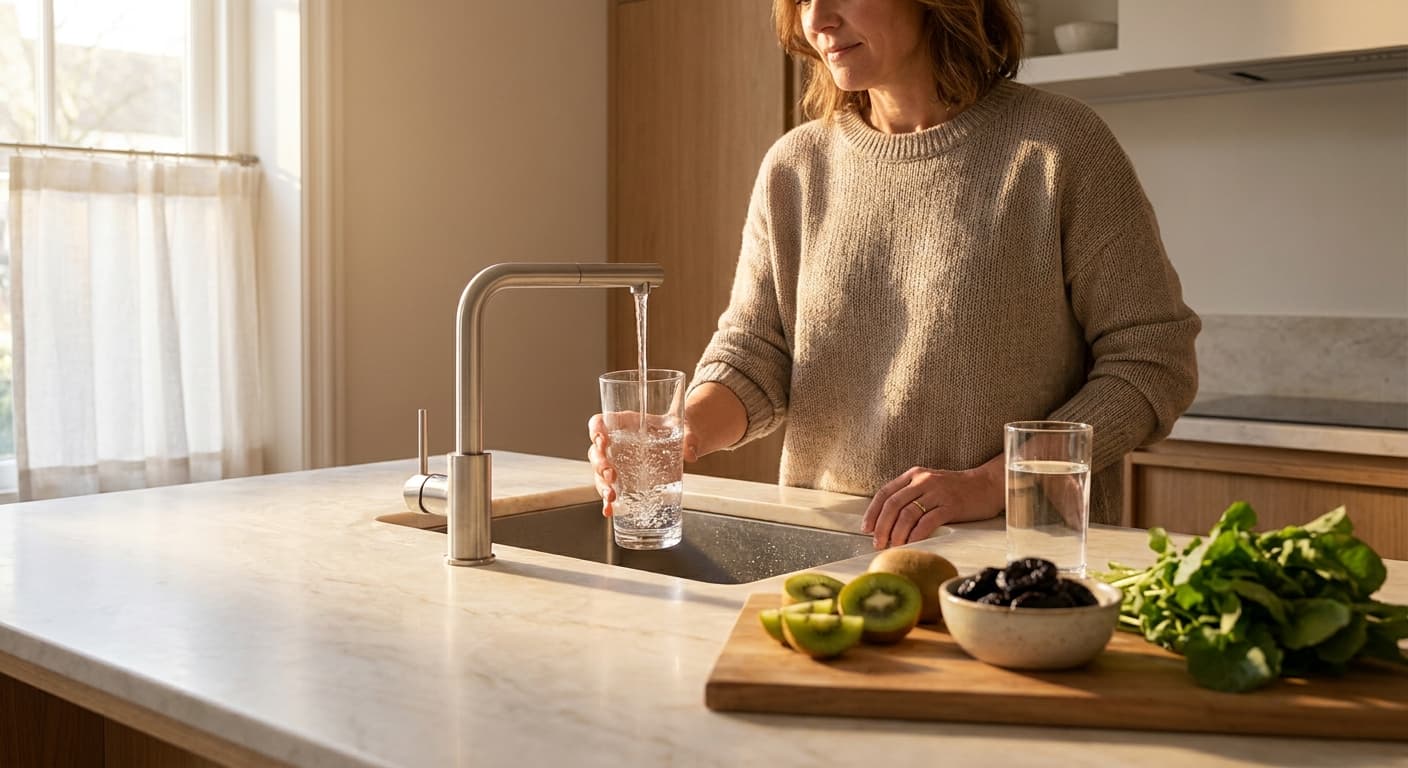
Hydration is your first line of defense against constipation.
- Aim for at least 8-10 glasses of water daily (or more if you exercise)
- Drink water throughout the day, not all at once
- Warm water or herbal tea can be especially helpful
- Keep a water bottle with you to make this easier
Dose AI Tip: Use the Water Logging feature to track your daily intake. You'll see patterns in how hydration affects your digestion.
Add Fiber Gradually
Fiber helps move things along in your digestive system. But add it slowly to avoid gas and bloating.
- Start with 5-10 grams of fiber daily
- Increase by 2-3 grams every few days
- Good sources: vegetables, fruits, whole grains, beans, seeds
- Fiber supplements like psyllium husk work well too
- Always pair fiber with plenty of water
Important: Adding too much fiber too quickly can make bloating worse. Go slow.
Move Your Body
Physical activity naturally stimulates digestion.
- Take a 10-15 minute walk after meals
- Try gentle stretching or yoga
- Light exercise helps your intestines work better
- Even standing and moving around helps
You don't need intense workouts. Gentle, consistent movement is what counts.
Eat Smaller, Frequent Meals
Since you're already eating less on Zepbound, focus on what you do eat.
- Eat 3-4 small meals instead of 1-2 large ones
- Include protein at each meal (it's more satisfying)
- Add vegetables and whole grains
- Avoid processed foods when possible
Dose AI Tip: Use the Food & Macro Logging feature to track what you're eating. The AI analyzes your meals and can suggest foods that support healthy digestion.
Consider Stool Softeners
If basic steps aren't working, stool softeners are safe and gentle.
- Docusate (Colace) is a common, mild option
- It helps water stay in your stool, making it easier to pass
- Ask your pharmacist which option is right for you
- Avoid harsh laxatives unless your doctor recommends them
Try Natural Remedies
Some people find relief with:
- Prune juice (a small glass daily)
- Ground flaxseed or chia seeds mixed into yogurt or smoothies
- Magnesium supplements (talk to your doctor first)
- Aloe vera juice (small amounts)
Always check with your healthcare provider before adding supplements.
Adjust Your Meal Timing
When you eat matters too.
- Don't eat right before bed
- Wait 2-3 hours after your last meal before sleeping
- Eating breakfast can naturally stimulate your digestive system
- Try to eat at the same times each day
Track Your Symptoms
Understanding your patterns helps you find what works best for you.
Dose AI Tip: Use the Symptom Tracker to record constipation severity, what you ate, how much water you drank, and when you exercised. Over time, you'll see which strategies help most.
This data is also helpful to share with your doctor if constipation doesn't improve.
When Should You Contact Your Doctor?
Reach out to your healthcare provider if:
- Constipation lasts more than 3-4 weeks despite trying these steps
- You have severe abdominal pain or cramping
- You see blood in your stool
- You feel extremely bloated or uncomfortable
- You're unsure about taking any over-the-counter products
Your doctor can recommend prescription options or check for other issues if needed.
What NOT to Do
- Don't stop taking Zepbound without talking to your doctor
- Avoid harsh laxatives or enemas unless prescribed
- Don't drastically increase fiber overnight
- Avoid dehydration (this makes constipation worse)
- Don't ignore severe or persistent symptoms
The Bottom Line
Constipation on Zepbound is manageable. Most people find relief by:
- Drinking more water
- Adding fiber gradually
- Moving their body regularly
- Eating smaller, frequent meals
Give these strategies 2-3 weeks to work. Your body is adjusting to a powerful medication, and changes take time. If constipation persists, your doctor has other options.
Remember: You're not alone in experiencing this. Constipation is one of the most common Zepbound side effects, and it almost always improves.
Frequently Asked Questions
Q: Is constipation dangerous on Zepbound? A: Mild constipation is not dangerous. But severe, persistent constipation or abdominal pain needs medical attention. Contact your doctor if symptoms don't improve in 3-4 weeks.
Q: Can I take laxatives while on Zepbound? A: Gentle stool softeners like docusate are generally safe. Avoid harsh laxatives unless your doctor recommends them. Always ask your pharmacist or doctor before starting any new medication.
Q: How long does constipation last on Zepbound? A: Most people notice improvement within 2-4 weeks as their body adjusts. Some people experience it longer. If it persists beyond a month, talk to your doctor about next steps.
Q: Does eating more help with constipation? A: Not necessarily. Since Zepbound reduces appetite, eating more than you're comfortable with can cause other issues. Focus on staying hydrated and including fiber-rich foods in your smaller meals.
Q: Will constipation go away if I keep taking Zepbound? A: For most people, yes. Your digestive system adapts over time. But if it doesn't improve, your doctor can adjust your approach or recommend treatments.
Related Dose AI Resources
- How to Manage Nausea on Zepbound
- Best Foods to Eat on Zepbound
- GLP-1 Side Effects: A Complete Guide
- How Much Water Should You Drink on Zepbound?
Medical Disclaimer
This article is for educational purposes only and is not medical advice. Constipation and digestive issues can have many causes. Always consult with your healthcare provider before starting any new medication, supplement, or treatment plan, especially if you are taking Zepbound or other GLP-1 medications.
Do not stop taking Zepbound without medical guidance. If you experience severe abdominal pain, persistent constipation, or other concerning symptoms, contact your doctor or seek emergency care immediately.
The information in this article is based on current medical knowledge as of 2024-2025 and reflects general guidance. Individual responses to treatment vary.
Sources
- National Institutes of Health (NIH): "Semaglutide and Gastrointestinal Side Effects" - https://www.ncbi.nlm.nih.gov
- FDA Medication Guide for Zepbound: https://www.fda.gov