How Much Protein Do You Really Need on GLP-1?
Understanding Protein on GLP-1 Medications
When you take GLP-1 medications like Ozempic, Mounjaro, Wegovy, or Zepbound, your appetite naturally decreases. This is great for weight loss, but it creates a real challenge: eating enough protein.
Protein is critical when losing weight. It helps preserve muscle mass, keeps you feeling full longer, and supports your metabolism. Without adequate protein, your body breaks down muscle along with fat. This slows your metabolism and leaves you weaker.
The good news? You can meet your protein needs even with smaller portions. Let's break down exactly how much you need and how to get it.
What's Your Target Protein Intake?
How Much Protein Should You Eat Daily?
The standard recommendation for most people is 0.8 grams of protein per kilogram of body weight. For someone on a GLP-1 medication losing weight, aim higher: 1.2 to 2.2 grams per kilogram.
Here's what that looks like in real numbers:
- 150 lb person: 82 to 150 grams of protein daily
- 200 lb person: 109 to 200 grams of protein daily
- 250 lb person: 136 to 250 grams of protein daily
The exact amount depends on your current weight, activity level, and how much muscle you want to preserve.
Why Higher Protein Matters on GLP-1
GLP-1 medications slow your metabolism slightly. Higher protein intake counteracts this in three ways:
- Preserves muscle: Muscle tissue burns more calories at rest than fat tissue.
- Increases satiety: Protein keeps you satisfied longer, reducing cravings.
- Supports metabolism: Your body uses more energy digesting protein than other nutrients.
Research shows people who prioritize protein while taking GLP-1s lose more fat and less muscle compared to those who don't.
How to Hit Your Protein Goals with Smaller Portions
This is the real challenge. GLP-1 medications reduce your appetite significantly. Eating large portions becomes nearly impossible. So how do you get enough protein?
Strategy 1: Prioritize Protein at Every Meal
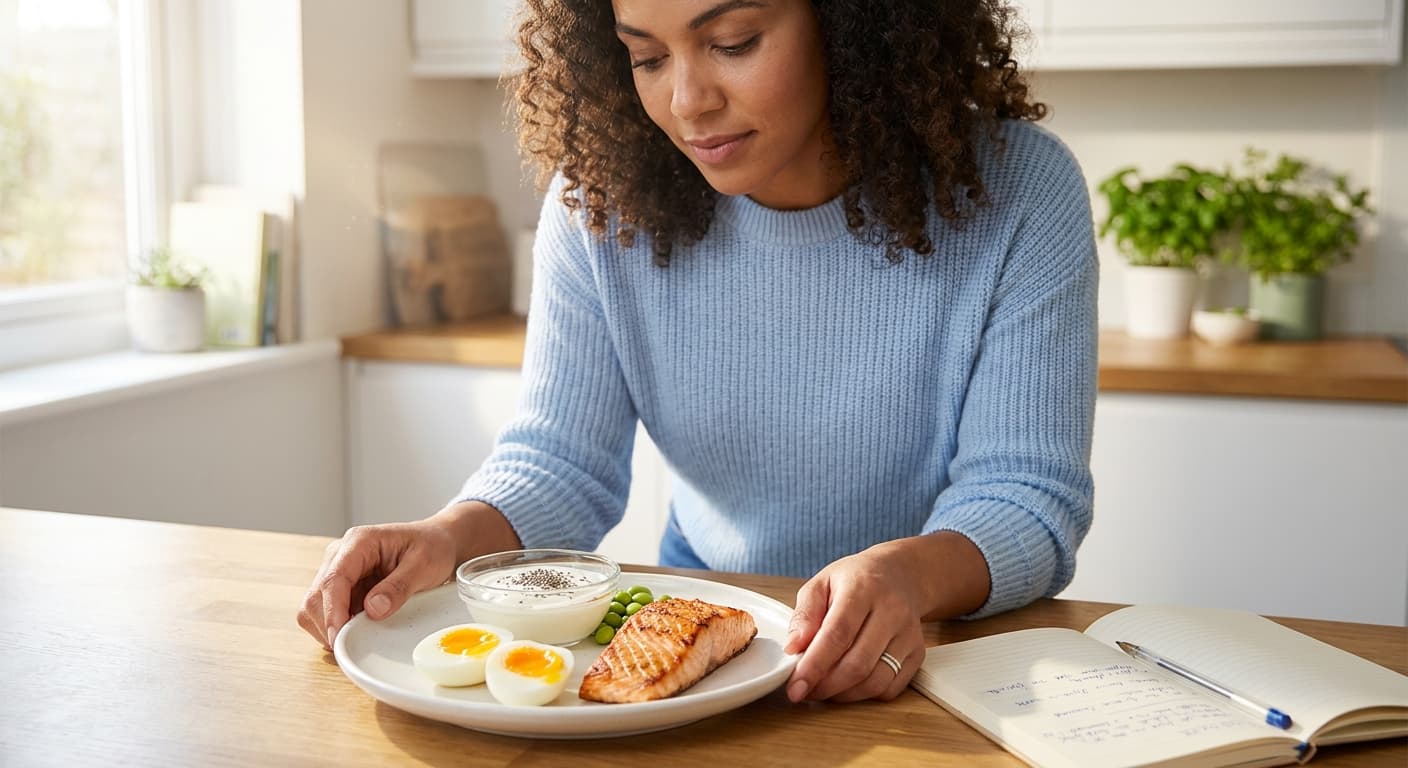
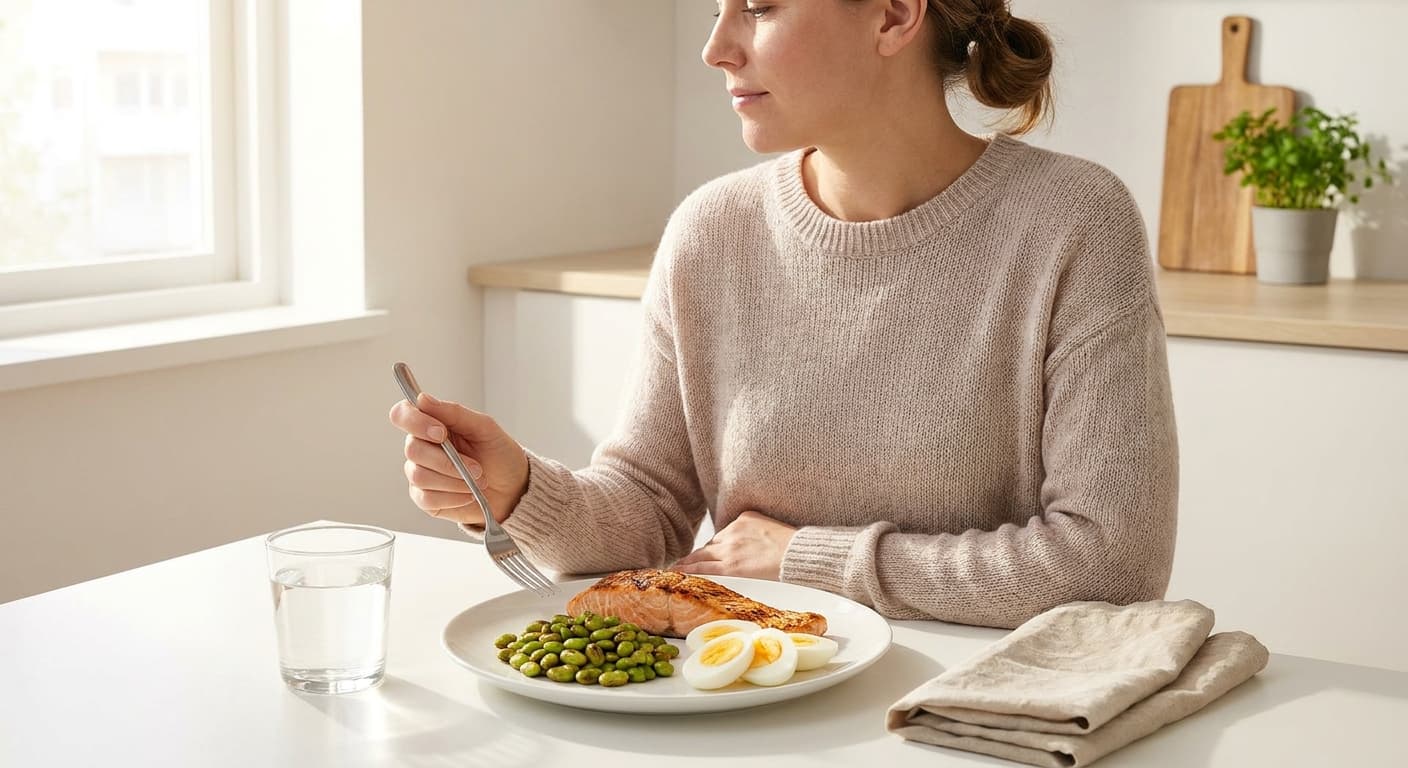
Make protein the first thing on your plate. Eat it first. Eat it slowly. This ensures you hit your goal even if you can't finish everything.
Sample meals:
- Breakfast: 3-4 oz grilled chicken breast + 1/4 cup oatmeal + berries = 35-40g protein
- Lunch: 4-5 oz salmon + 1/2 cup sweet potato + greens = 30-35g protein
- Dinner: 4-5 oz lean ground turkey + small portion pasta + sauce = 30-35g protein
- Snack: Greek yogurt (1/2 cup) + almonds = 15-20g protein
Each meal focuses on a concentrated protein source. This way, even a smaller portion delivers significant protein.
Strategy 2: Use Protein-Dense Foods
Not all proteins are created equal. Some deliver more grams per ounce than others.
High-protein foods (best bang for your buck):
- Chicken breast: 31g protein per 3.5 oz
- Turkey breast: 29g protein per 3.5 oz
- Lean ground turkey: 22g protein per 3.5 oz
- Fish (salmon, cod, tilapia): 25-27g protein per 3.5 oz
- Greek yogurt: 10g protein per 5.3 oz
- Cottage cheese: 11g protein per 3.5 oz
- Eggs: 6g protein per large egg
- Lean beef: 26g protein per 3.5 oz
These foods pack protein into smaller portions, making it easier to eat enough.
Strategy 3: Add Protein Supplements When Needed
Protein shakes or powders are not cheating. They're practical tools when food feels overwhelming.
When to use protein supplements:
- You're experiencing nausea or loss of appetite
- You're too full to eat another solid meal
- You're traveling or busy
- You need a quick way to add 20-30g protein
A simple protein shake: 1 scoop whey protein powder + 8 oz unsweetened almond milk + ice = 25g protein, easy to sip.
Strategy 4: Spread Protein Throughout the Day
Don't try to eat all your protein at one meal. Space it out evenly.
Example for a 150-pound person aiming for 120g daily:
- Breakfast: 30g protein
- Morning snack: 15g protein
- Lunch: 35g protein
- Afternoon snack: 15g protein
- Dinner: 25g protein
This approach feels more manageable and keeps your body supplied with protein consistently.
Track Your Protein Intake
Guessing won't work. You need to know exactly how much protein you're eating.
Use Dose AI's Food & Macro Logging feature to log meals by photo. The AI analyzes your macronutrients automatically, showing you exactly how much protein each meal contains. This removes the guesswork and helps you adjust portions in real time.
You can also use apps like MyFitnessPal or Cronometer to manually log foods. The key is tracking consistently for at least one week to see your average protein intake.
What Happens If You Don't Eat Enough Protein?
Insufficient protein while taking GLP-1 medications can lead to:
- Muscle loss: You lose strength and lean mass along with fat.
- Slower metabolism: Less muscle means fewer calories burned at rest.
- Fatigue and weakness: Your body doesn't have building blocks to maintain energy.
- Hair loss: Protein deficiency can trigger telogen effluvium (temporary hair shedding).
- Slower wound healing: Your immune system weakens without adequate protein.
These effects are reversible once you increase protein intake, but they're uncomfortable to experience.
Common Protein Questions on GLP-1
Can you eat too much protein on GLP-1?
Excess protein is rare on GLP-1 medications because your appetite is naturally limited. However, very high protein intake (over 2.5g per kg body weight) may stress your kidneys if you have kidney disease. Talk to your doctor about your specific needs.
Is plant-based protein enough on GLP-1?
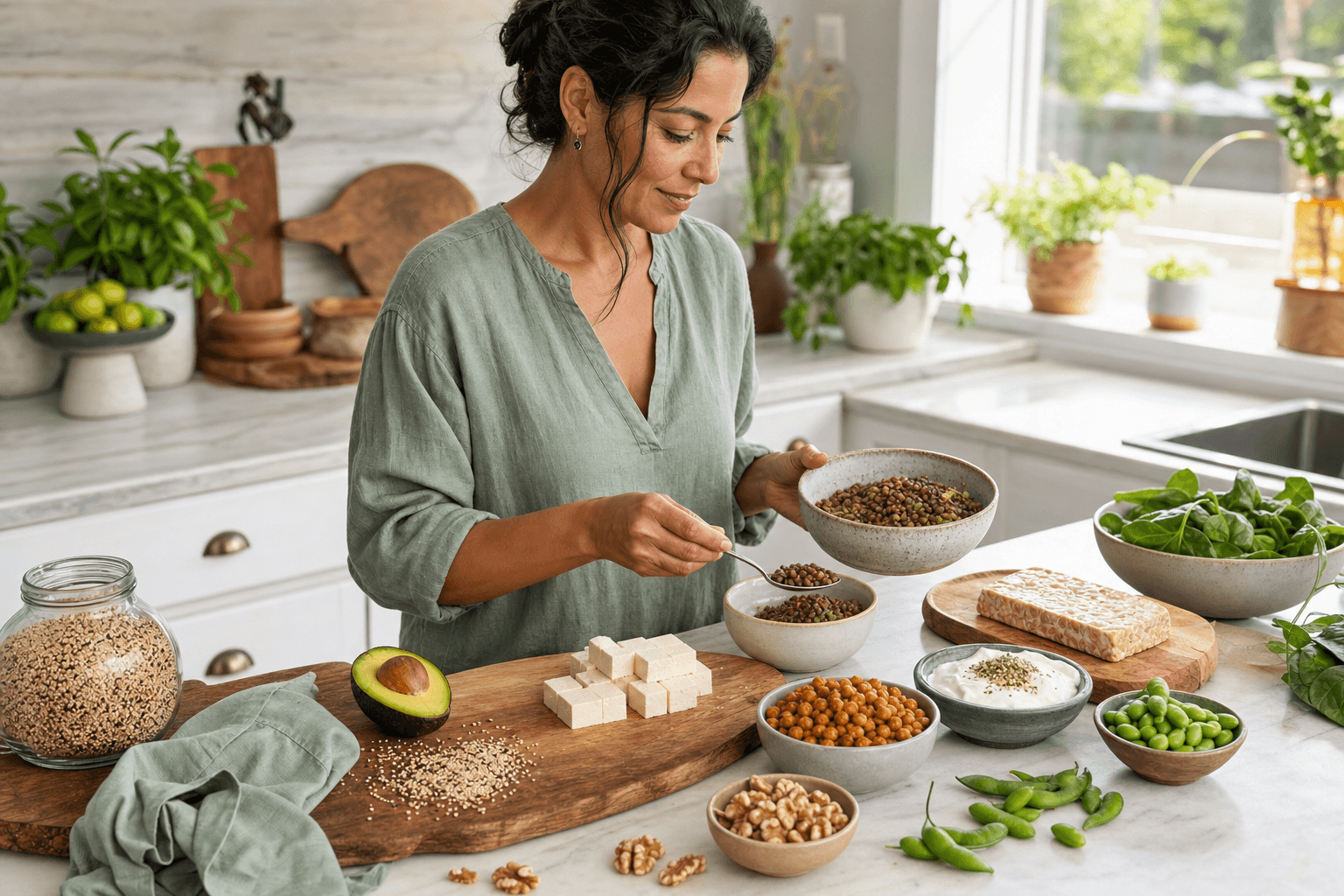
Plant-based proteins work, but they're less concentrated than animal proteins. You'll need larger portions to hit your goals. Combine sources: beans + rice, tofu + nuts, lentils + seeds. Track carefully to ensure you're hitting targets.
Should you eat protein before or after exercise on GLP-1?
Timing matters less than total daily intake. Eat protein within a few hours of exercise (before or after). On GLP-1, consistency throughout the day is more important than precise timing.
What if protein makes you feel too full?
Start with smaller portions of concentrated protein sources. A 2-3 oz piece of chicken is easier to eat than a large salad. Sip protein shakes slowly rather than drinking them quickly. If nausea accompanies fullness, talk to your doctor.
Can protein help with GLP-1 side effects?
Adequate protein supports overall health and may reduce fatigue. It won't eliminate nausea or constipation, but it helps your body handle the medication's effects more effectively.
Your Protein Action Plan
- Calculate your target: Use 1.2-2.2g per kg of body weight as your daily goal.
- Choose protein-dense foods: Prioritize chicken, fish, turkey, eggs, and Greek yogurt.
- Make protein first: Eat it before other foods at each meal.
- Space it out: Aim for 25-35g protein per meal, 3-4 times daily.
- Track for one week: Use Dose AI or another app to see your actual intake.
- Adjust as needed: If you're below target, add a protein shake or increase portions slightly.
- Check in monthly: Weigh yourself and assess energy levels. You should lose fat, not muscle.
When to Talk to Your Doctor
Contact your healthcare provider if you experience:
- Severe fatigue or weakness
- Unexplained hair loss
- Inability to eat any solid food
- Persistent nausea that prevents adequate nutrition
- Questions about your specific protein needs
Your doctor or a registered dietitian can personalize recommendations based on your health, activity level, and goals.
FAQ
Q: Do I need more protein on GLP-1 than people not taking it? A: Not necessarily more, but you need to be more intentional about hitting your goal. GLP-1 reduces appetite, making it harder to eat enough. Prioritizing protein ensures you preserve muscle while losing weight.
Q: Can protein powder replace whole food on GLP-1? A: Protein powder is a useful supplement, not a replacement. Whole foods provide fiber, vitamins, and minerals that shakes don't. Use shakes to fill gaps when solid food feels overwhelming.
Q: How do I know if I'm eating enough protein? A: Track your intake for one week using Dose AI or MyFitnessPal. Calculate your target based on your weight. If you're consistently hitting that number, you're on track. Also monitor energy levels and muscle strength—you should feel strong, not weak.
Q: Is it normal to lose muscle on GLP-1? A: Some muscle loss is normal during weight loss. However, adequate protein intake and light exercise minimize this. If you're losing strength rapidly, increase protein and talk to your doctor.
Q: What's the easiest way to track protein on GLP-1? A: Use Dose AI's Food & Macro Logging feature to photograph your meals. The AI calculates macronutrients automatically. This removes the mental burden of manual tracking.
Related Dose AI Blog Posts
- What to Eat on GLP-1: A Beginner's Guide to Foods That Work
- GLP-1 and Exercise: How to Build Muscle While Losing Weight
- Managing GLP-1 Nausea: Nutrition Strategies That Actually Help
- Hydration on GLP-1: Why Water Matters More Than You Think
Medical Disclaimer
This article is for educational purposes only and does not replace professional medical advice. Protein needs vary based on individual health conditions, medications, and activity levels. Always consult your healthcare provider or registered dietitian before making significant changes to your nutrition plan, especially if you have kidney disease, diabetes, or other chronic conditions. Your doctor can personalize protein recommendations based on your specific health situation and GLP-1 medication.
Sources:
- National Institutes of Health (NIH). "Protein and Amino Acids." MedlinePlus. https://medlineplus.gov/
- American Diabetes Association (ADA). "Standards of Care in Diabetes." Diabetes Care, 2024. https://care.diabetesjournals.org/