
What Helps Zepbound Constipation and When to Call a Doctor?
Constipation is one of the most common side effects of Zepbound (tirzepatide). The good news: you can manage it effectively with simple lifestyle changes. Here's what you need to know.
Why Does Zepbound Cause Constipation?
Zepbound is a GLP-1 receptor agonist medication. It slows down how fast food moves through your digestive system. This helps you feel fuller longer, which aids weight loss.
However, this same slowdown can cause constipation. Your body has less urge to have a bowel movement. This is temporary for many people as your body adjusts.
What Helps Zepbound Constipation?
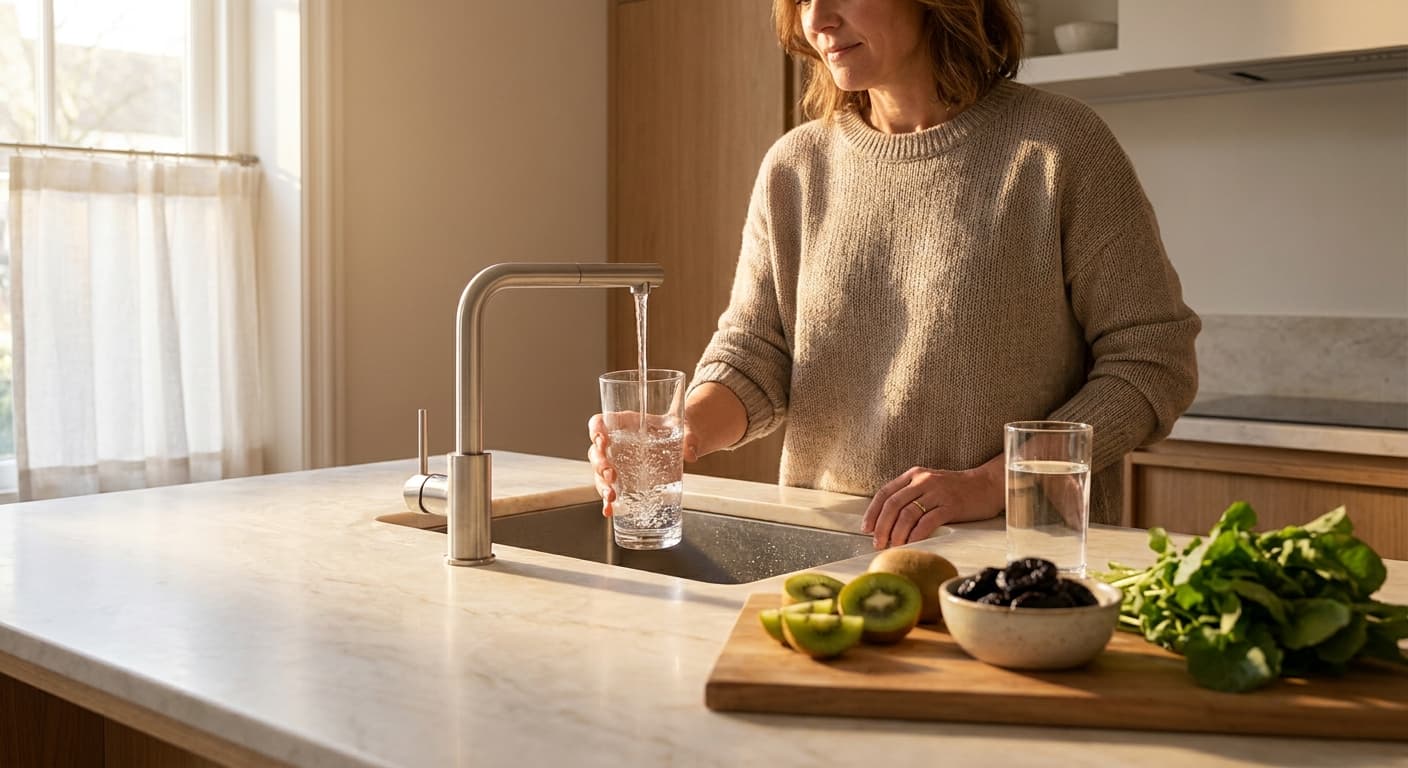
Drink More Water
Water is your first line of defense against constipation.
- Aim for at least 8-10 glasses daily, or more if you exercise
- Drink water throughout the day, not all at once
- Carry a water bottle to remind yourself
- Track your water intake using the Dose AI Water Logging feature to spot patterns
Dehydration makes constipation worse. When you're on Zepbound, staying hydrated becomes even more important.
Eat Soluble Fiber Gradually
Fiber helps move stool through your digestive system. But add it slowly to avoid bloating.
Good fiber sources include:
- Oatmeal and whole grains
- Beans and lentils
- Apples, berries, and pears
- Leafy green vegetables
- Chia seeds and ground flaxseed
Start with small amounts. Increase fiber over 1-2 weeks. Too much fiber too fast can cause gas and bloating.
Move Your Body
Physical activity stimulates your digestive system naturally.
- Take a 10-15 minute walk after meals
- Do gentle yoga or stretching
- Try light strength training
- Even standing and moving helps
You don't need intense exercise. Gentle, consistent movement works best for constipation relief.
Eat Smaller, More Frequent Meals
Large meals can worsen constipation when taking Zepbound.
- Eat 3-4 smaller meals instead of 2-3 large ones
- Chew food slowly and thoroughly
- Stop eating when you feel 80% full
- Use the Dose AI Food & Macro Logging feature to track meal sizes and patterns
Smaller portions keep your digestive system moving steadily.
Try Natural Remedies
Some people find relief with:
- Prune juice or fresh prunes (natural laxative)
- Warm lemon water first thing in the morning
- Peppermint tea
- Magnesium supplements (ask your doctor first)
These are gentle options that work for many people. Results vary, so be patient.
Consider Over-the-Counter Options
If lifestyle changes aren't enough, talk to your doctor about:
- Stool softeners (docusate)
- Osmotic laxatives (polyethylene glycol)
- Fiber supplements (psyllium husk)
Never use stimulant laxatives regularly without medical guidance. They can become habit-forming.
When Should You Call Your Doctor?
Contact your healthcare provider if you experience:
Severe or persistent constipation:
- No bowel movement for more than 3-4 days
- Constipation lasting more than 2 weeks despite lifestyle changes
Concerning symptoms:
- Severe abdominal pain or cramping
- Blood in stool or dark, tarry stools
- Vomiting or inability to keep food down
- Bloating that doesn't improve with movement
- Weight loss not related to Zepbound
Other warning signs:
- Constipation alternating with diarrhea
- Fever along with constipation
- Signs of dehydration (dark urine, dizziness, extreme thirst)
These symptoms may indicate a more serious condition. Your doctor can evaluate and recommend next steps.
How Long Does Zepbound Constipation Last?
For most people, constipation improves within 2-4 weeks as your body adjusts. Some experience relief sooner. A small number of people need ongoing management.
If constipation doesn't improve after 4 weeks of lifestyle changes, tell your doctor. They may adjust your dose or suggest additional strategies.
Track Your Symptoms to Find Patterns
Use the Dose AI Symptom Tracker to record:
- When constipation occurs (morning, evening, after meals)
- How severe it is (mild, moderate, severe)
- What you ate that day
- How much water you drank
- Exercise and movement
- Any remedies you tried and whether they helped
Over time, patterns emerge. You'll discover what works best for your body.
FAQ
Q: Is constipation dangerous while taking Zepbound? A: Mild constipation is not dangerous. However, severe constipation lasting days can lead to complications. Contact your doctor if you have severe symptoms or constipation lasting more than 3-4 days.
Q: Can I stop taking Zepbound if constipation is too uncomfortable? A: Don't stop without talking to your doctor first. They can help manage side effects or discuss alternatives. Many people find relief with lifestyle changes.
Q: Will constipation go away on its own? A: Yes, for most people. Constipation typically improves within 2-4 weeks as your body adjusts to Zepbound. Lifestyle changes speed up this process.
Q: Are laxatives safe while taking Zepbound? A: Some laxatives are safe, but ask your doctor before using them. Avoid stimulant laxatives regularly. Stool softeners and osmotic laxatives are usually safer options.
Q: Does fiber really help with Zepbound constipation? A: Yes, but add it slowly. Fiber helps move stool through your system, but too much too fast causes bloating. Increase gradually over 1-2 weeks while drinking plenty of water.
Related Dose AI Resources
- How to Manage Other GLP-1 Side Effects
- Best Foods to Eat While Taking Zepbound
- Hydration Tips for GLP-1 Users
- Tracking Your Zepbound Journey with Dose AI
Medical Disclaimer
This article is for educational purposes only and not medical advice. GLP-1 medications like Zepbound (tirzepatide) are prescription drugs requiring medical supervision. Always consult your healthcare provider before starting, stopping, or changing any medication.
If you experience severe symptoms, contact your doctor or seek emergency care immediately. Individual responses to medication vary. What works for one person may not work for another.
This content is based on general medical knowledge and current FDA-approved information about tirzepatide as of 2024-2025. For personalized medical guidance, speak with your prescribing physician.
Sources:
- FDA Prescribing Information for Zepbound (tirzepatide): https://www.fda.gov
- National Institutes of Health (NIH) - GLP-1 Receptor Agonists and Gastrointestinal Effects: https://www.ncbi.nlm.nih.gov