
Why Do I Feel Bloated on Ozempic or Wegovy?
Bloating is one of the most common side effects people experience on GLP-1 medications like Ozempic and Wegovy. You're not alone if your stomach feels puffy or uncomfortable. Understanding what causes bloating can help you manage it better.
What Causes Bloating on Ozempic and Wegovy?
Ozempic and Wegovy contain semaglutide, a GLP-1 receptor agonist. These medications work by slowing how fast food moves through your digestive system. This slower digestion can trap gas in your stomach and intestines, creating that uncomfortable bloated feeling.
Here are the main reasons bloating happens:
Slower Stomach Emptying Your stomach processes food more slowly on GLP-1 medications. Food stays in your stomach longer, which can cause gas buildup and pressure.
Reduced Appetite and Eating Patterns You eat less on these medications. Sometimes eating smaller meals too quickly can cause swallowing air (called aerophagia). This air gets trapped and causes bloating.
Changes in Gut Bacteria Your digestive system is adjusting to new eating habits. Your gut bacteria may shift, which can produce more gas temporarily.
Constipation GLP-1 medications often slow bowel movements. When stool moves slowly through your colon, gas builds up and causes bloating.
Eating Foods You Normally Avoid If you eat high-fat or high-fiber foods your body isn't used to, bloating can worsen. Your digestive system needs time to adjust.
When Does Bloating Usually Start?
Bloating often appears within the first few weeks of starting Ozempic or Wegovy. For many people, it improves as their body adjusts to the medication over 4-8 weeks.
However, some people experience bloating throughout their treatment. This doesn't mean the medication isn't working. It just means your digestive system needs extra support.
How Can You Reduce Bloating?
Eat Slowly and Chew Thoroughly
Take small bites and chew each bite 20-30 times. Eating slowly gives your stomach time to process food properly. It also reduces the air you swallow.
Aim to spend at least 20 minutes on each meal. Put your fork down between bites.
Choose Foods That Are Easier to Digest
Not all foods cause equal bloating. Some are gentler on your digestive system:
- Lean proteins (chicken, turkey, fish)
- Cooked vegetables instead of raw
- White rice instead of brown rice
- Bone broth
- Eggs
- Low-fat yogurt
- Bananas and berries
- Oatmeal
Avoid or limit foods that increase bloating:
- Cruciferous vegetables (broccoli, cabbage, Brussels sprouts)
- Beans and legumes
- Whole grains and high-fiber foods
- Fried and fatty foods
- Carbonated drinks
- Sugar alcohols (sorbitol, xylitol)
- Spicy foods
Stay Hydrated
Drink plenty of water throughout the day. Dehydration can make constipation worse, which increases bloating. Aim for 8-10 glasses of water daily.
Avoid carbonated beverages. The bubbles add gas to your digestive system. Skip alcohol, which can irritate your stomach lining.
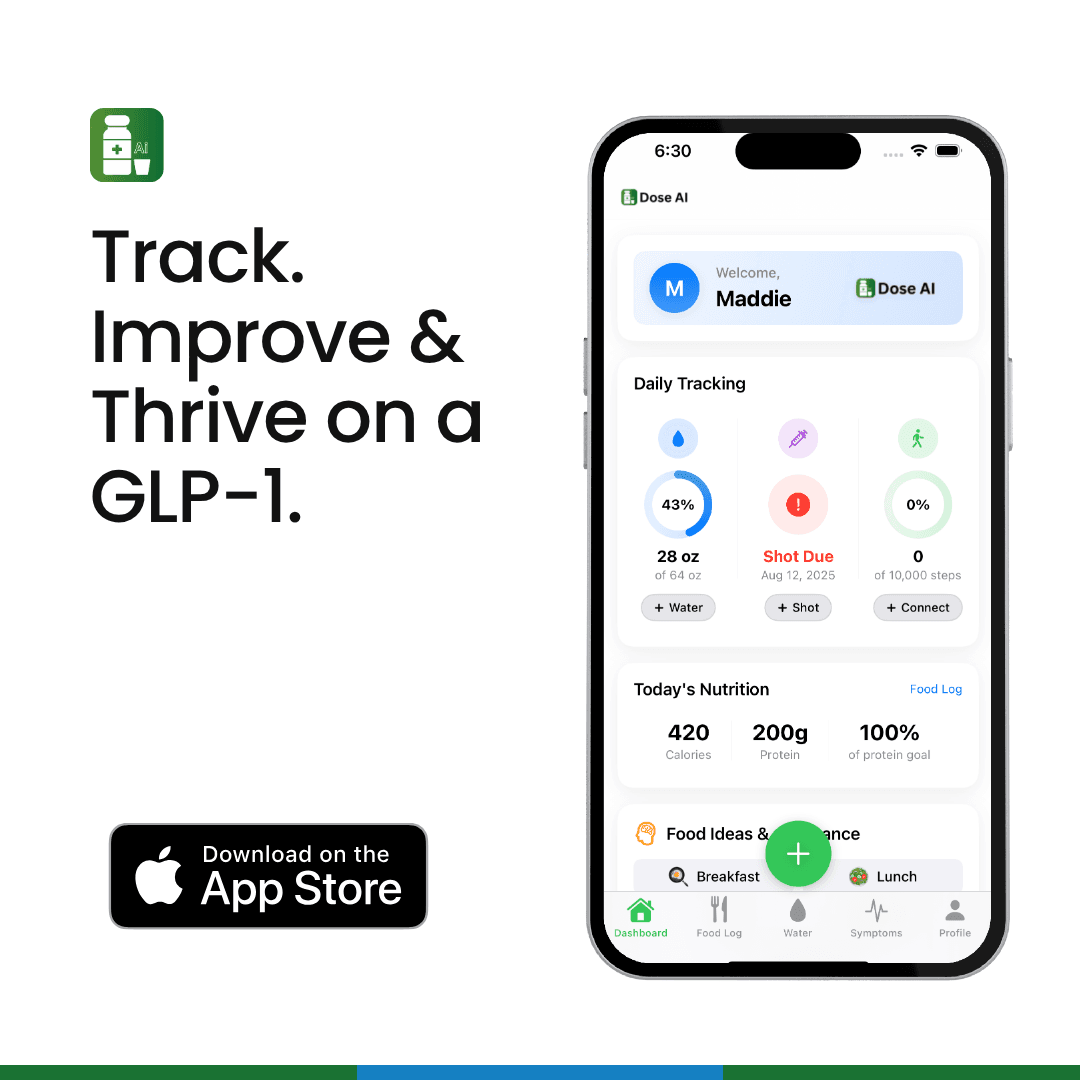
Track your water intake using Dose AI's water logging feature. Recording your hydration helps you spot patterns between drinking habits and bloating.
Move Your Body
Gentle movement helps gas move through your digestive system. Try:
- 10-15 minute walks after meals
- Stretching
- Yoga
- Light swimming
- Gentle abdominal massage
Movement doesn't need to be intense. Even standing and walking around your home helps.
Reduce Fiber Gradually
Fiber is healthy, but too much too fast causes bloating. If you're increasing fiber, do it slowly over several weeks. Your gut bacteria need time to adjust.
Start with 5-10 grams of fiber daily. Add 2-3 grams more each week until you reach your target.
Consider Digestive Aids
Some over-the-counter products may help:
- Ginger tea or ginger supplements
- Peppermint tea
- Fennel seeds
- Probiotics (especially Lactobacillus and Bifidobacterium)
- Simethicone (Gas-X) for gas relief
- Psyllium husk for constipation
Always check with your healthcare provider before starting supplements. Some may interact with your medication.
Track Your Symptoms
Keep a record of when bloating occurs and what you ate. Use Dose AI's symptom tracker to log bloating, gas, and stomach discomfort. The app reveals patterns you might miss.
For example, you might notice bloating worsens after eating certain foods or at specific times. This information helps you make better choices.
Log your meals using Dose AI's food and macro logging feature. The AI analyzes your meals and helps you identify which foods trigger symptoms.
Adjust Your Medication Timing
If possible, take your Ozempic or Wegovy injection on a day when you can eat light foods. Some people feel less bloated if they avoid heavy meals on injection days.
Talk to your healthcare provider about the best timing for your specific situation.
When Should You Contact Your Doctor?
Bloating is usually temporary and manageable. However, contact your healthcare provider if:
- Bloating is severe and doesn't improve after 8 weeks
- You have severe abdominal pain
- You experience vomiting or inability to keep food down
- You haven't had a bowel movement in 3+ days
- You develop new symptoms like fever or diarrhea
- Bloating interferes with your daily life
These could signal a more serious digestive issue that needs medical attention.
Does Bloating Mean the Medication Isn't Working?
No. Bloating is a side effect, not a sign that Ozempic or Wegovy isn't effective. The medication is still reducing your appetite and helping with weight loss.
Many people experience bloating while still seeing great results. The two are separate. Your weight loss progress doesn't depend on whether you feel bloated.
How Long Does Bloating Last?
For most people, bloating improves within 4-8 weeks as their body adjusts. Your digestive system gradually adapts to slower food movement.
Some people experience bloating for longer. Others find it comes and goes. If bloating persists beyond 8 weeks, talk to your doctor. They may suggest additional strategies or investigate other causes.
Frequently Asked Questions
Is bloating dangerous on GLP-1 medications?
Mild to moderate bloating is not dangerous. It's uncomfortable but not harmful. Severe bloating with pain, vomiting, or inability to eat requires medical attention. Contact your doctor if symptoms are severe.
Can I take over-the-counter bloating medicine with Ozempic or Wegovy?
Most over-the-counter digestive aids are safe with GLP-1 medications. However, always ask your healthcare provider before adding any new supplement or medication. Some may interact with your treatment.
Will bloating go away if I keep taking the medication?
For most people, yes. Bloating usually improves as your body adjusts over 4-8 weeks. If it persists longer, talk to your doctor about additional strategies.
Does bloating happen at every dose increase?
Many people experience bloating when they increase their dose. Your digestive system needs time to adjust to the new amount. The bloating usually improves within a few weeks.
What's the difference between bloating and weight gain?
Bloating is temporary swelling from gas and water retention. It comes and down throughout the day. Weight gain is a longer-term increase in body mass. Bloating doesn't mean you're gaining weight.
Related Dose AI Blog Articles
- How to Manage Constipation on GLP-1 Medications
- Best Foods to Eat on Ozempic and Wegovy
- GLP-1 Side Effects: What to Expect and How to Manage Them
- Does Drinking More Water Help GLP-1 Side Effects?
Medical Disclaimer
This article is for educational purposes only and does not replace professional medical advice. GLP-1 medications like Ozempic, Wegovy, Mounjaro, and Zepbound are FDA-approved prescription medications that should only be used under medical supervision.
Bloating and other side effects vary by individual. Always consult your healthcare provider before making changes to your diet, starting supplements, or adjusting your medication. If you experience severe symptoms, contact your doctor or seek emergency care immediately.
This content is not medical advice and should not be used to diagnose or treat any condition. Your healthcare provider is your best resource for personalized guidance.
Sources
- National Institute of Diabetes and Digestive and Kidney Diseases (NIDDK). Gastroparesis. https://www.niddk.nih.gov/health-information/digestive-diseases/gastroparesis
- FDA Approval Information for Ozempic (semaglutide). https://www.fda.gov/drugs