Why Does Food Taste Different on GLP-1 Medications?
Many people taking GLP-1 receptor agonists like Ozempic, Wegovy, Mounjaro, or Zepbound notice that food tastes different. Some describe it as bland or metallic. Others lose interest in foods they once loved. This is a real side effect that can affect your eating experience.
Understanding why this happens helps you manage it. You're not alone in experiencing this change.
What Causes Taste Changes on GLP-1 Medications?
GLP-1 receptor agonists work by affecting how your brain processes hunger and fullness signals. These medications also influence taste perception in ways researchers are still studying.
How GLP-1 Medications Affect Your Taste Buds
GLP-1 receptors exist throughout your body, including in areas that control taste. When these medications activate these receptors, they can change how your taste buds work.
Key reasons taste changes happen:
- Your brain receives different signals about food appeal
- Taste bud sensitivity may decrease temporarily
- Saliva production sometimes changes
- Smell perception often decreases (taste relies heavily on smell)
- Appetite suppression makes food seem less appealing
The good news? These changes are usually temporary and manageable.
Is This a Metallic Taste or True Taste Loss?
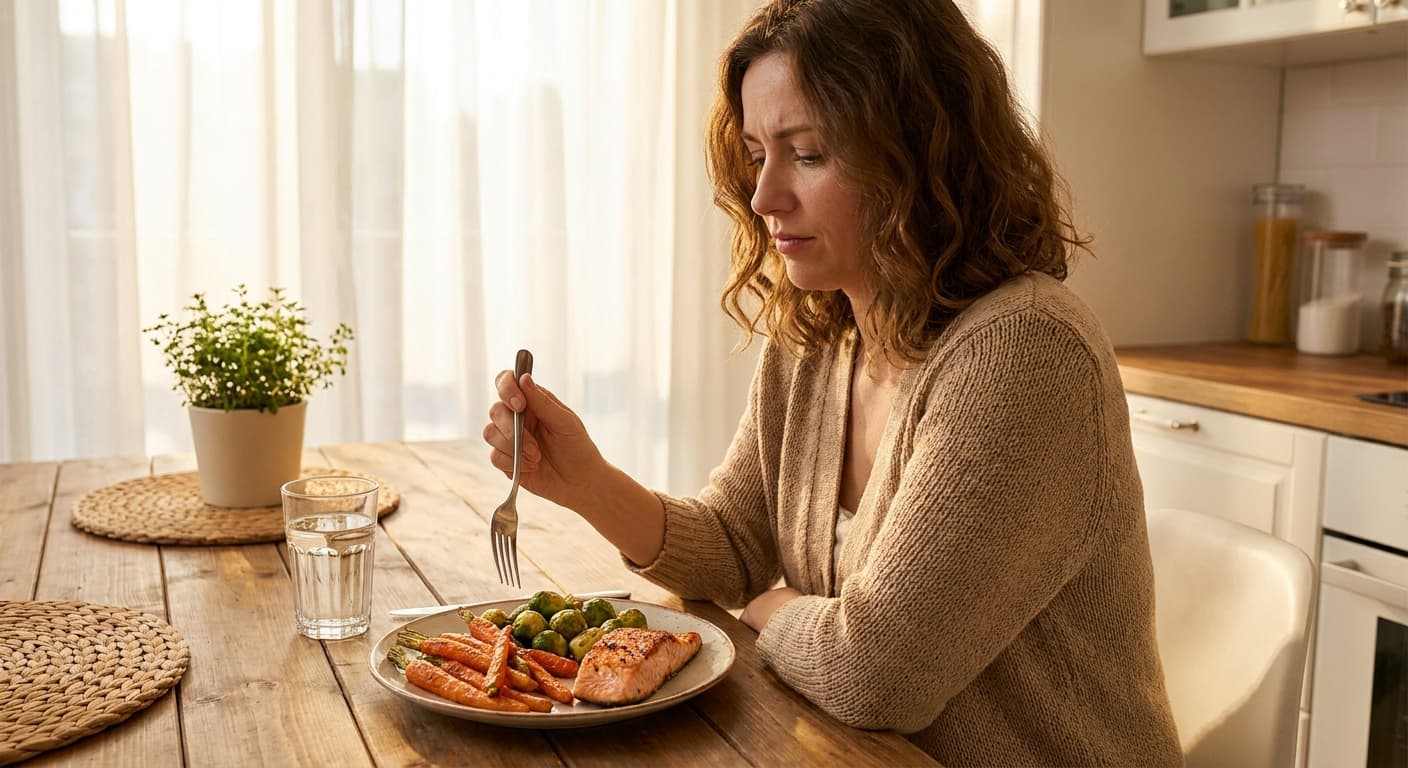
Some people report a metallic or bitter taste in their mouth. Others say food simply tastes less flavorful. Both experiences are valid side effects.
Metallic taste happens when your mouth chemistry shifts slightly. Bland taste occurs when your brain isn't sending the usual "that smells delicious" signals.
These are different from the appetite suppression that GLP-1s cause. You might not feel hungry, but you also might not enjoy food as much. That's the taste change at work.
What Should You Do If Food Tastes Different?
Here are practical steps to manage taste changes while taking GLP-1 medications.
Step 1: Give It Time
Taste changes often improve within 4-8 weeks as your body adjusts. Many people report that food starts tasting normal again after their body adapts to the medication.
Don't assume this will last forever. Most taste changes are temporary.
Step 2: Eat Foods You Actually Enjoy
This sounds simple, but it matters. If your usual favorite foods taste bland, try different options.
Foods that often taste better on GLP-1s:
- Citrus fruits (bright, strong flavors)
- Ginger or mint (fresh, intense tastes)
- Spiced foods (curries, seasoned chicken)
- Sour or tangy foods (Greek yogurt, pickles, lemon)
- Umami-rich foods (mushrooms, tomatoes, cheese)
- Foods with strong seasonings
- Smoothies with fruit and protein
- Soups with bold flavors
Bland foods might taste even less appealing now. Skip them and focus on foods with real flavor.
Step 3: Use Dose AI's Food Logging to Track What Works
The Dose AI app includes a Food & Macro Logging feature with AI photo analysis. Use it to track which foods taste good to you during this adjustment period.
Over time, you'll notice patterns. You might discover that spiced foods taste better than plain chicken. Or that you suddenly love foods you never enjoyed before.
This data helps you build meals you'll actually want to eat.
Step 4: Enhance Your Food's Flavor
If food tastes bland, add more seasoning. You're not cheating. You're adapting.
Easy flavor boosters:
- Add fresh herbs (cilantro, basil, parsley)
- Use lemon or lime juice
- Try hot sauce or salsa
- Add garlic or ginger
- Use vinegar-based dressings
- Sprinkle nutritional yeast for umami
- Add spices like cumin, paprika, or curry powder
Small amounts of these don't add significant calories. They make food enjoyable again.
Step 5: Address Metallic Taste Specifically
If you have a persistent metallic taste, try these strategies:
- Rinse your mouth with water or lemon water
- Chew sugar-free gum or mints
- Stay hydrated (use Dose AI's Water Logging to track intake)
- Avoid metal utensils if possible (try plastic or wooden spoons)
- Brush your teeth and tongue gently
- Try zinc lozenges (talk to your doctor first)
Metallic taste sometimes signals dehydration. Drinking more water helps.
Step 6: Stay Hydrated
Dehydration makes taste changes worse. It also increases other GLP-1 side effects like nausea.
Aim to drink water consistently throughout the day. The Dose AI Symptom Tracker helps you notice if taste changes improve when you're better hydrated.
Step 7: Eat Smaller, More Frequent Meals
GLP-1 medications reduce stomach capacity. Smaller portions mean less food to taste. But eating more frequently keeps nutrition steady.
This approach also prevents you from forcing down large meals that taste unpleasant.
When Should You Contact Your Doctor?
Taste changes are usually harmless. But contact your healthcare provider if:
- Taste loss lasts longer than 8-12 weeks
- You're losing weight too quickly (more than 1-2 pounds per week)
- You can't eat enough to meet nutritional needs
- Metallic taste causes extreme discomfort
- You develop other concerning symptoms
Your doctor might adjust your dose or timing. They can also rule out other causes.
Will Your Taste Return to Normal?
For most people, yes. Taste typically improves as your body adjusts to the medication.
Timeline:
- Weeks 1-4: Taste changes may be most noticeable
- Weeks 4-8: Many people notice improvement
- Weeks 8-12: Most taste changes resolve
- Beyond 12 weeks: If taste is still significantly affected, talk to your doctor
Some people never experience taste changes. Others have mild changes that don't bother them. Every body responds differently.
Using Dose AI to Track Your Taste Changes
The Dose AI app helps you monitor how your taste changes over time.
Features to use:
- Shot Logging: Record when you took your dose. Track if taste changes improve or worsen after dose increases.
- Food & Macro Logging: Log meals with photos. Note which foods taste good and which don't. AI analyzes what you're actually eating.
- Symptom Tracker: Record "taste changes" or "metallic taste" daily. Over time, you'll see patterns and improvement.
- Progress Tracker: Document your weight and how you're feeling. Taste changes often improve as your body adjusts.
This data helps you and your doctor understand your specific experience.
Tips for Better Nutrition Despite Taste Changes
You still need good nutrition even if food doesn't taste great right now.
Nutrition strategies:
- Focus on protein-rich foods (they're more satisfying)
- Include vegetables in flavorful dishes (curries, stir-fries)
- Use smoothies with protein powder and fruit
- Try bone broth or flavorful soups
- Eat foods that smell good (smell drives taste perception)
- Consider a multivitamin if you're eating less variety
- Track macros with Dose AI to ensure you're getting enough protein
Your nutritional needs don't change just because food tastes different. You still need protein, healthy fats, and nutrients.
What If You're Experiencing Other Side Effects Too?
Taste changes often happen alongside other side effects like nausea or appetite loss.
If you're dealing with multiple side effects:
- Stay hydrated (helps with several side effects)
- Eat smaller, frequent meals
- Track all symptoms in Dose AI (patterns emerge)
- Give your body 4-8 weeks to adjust
- Talk to your doctor if symptoms worsen
Most side effects improve together as your body adjusts.
The Bottom Line
Food tasting different on GLP-1 medications is a real side effect. It's temporary for most people. It's manageable with the right strategies.
Give your body time to adjust. Eat foods you enjoy. Use Dose AI to track what works. Stay hydrated. Contact your doctor if changes persist beyond 12 weeks.
Your taste will likely return to normal. Until then, focus on nourishing your body with foods that actually taste good to you right now.
Frequently Asked Questions
Does taste loss mean the medication isn't working?
No. Taste changes are a side effect, not a sign of effectiveness. GLP-1 medications work on appetite and blood sugar regardless of taste perception. Your medication is still working even if food tastes bland.
Can I change my dose if taste changes bother me?
Don't change your dose on your own. Talk to your doctor. They might adjust timing or dosage to reduce taste changes. But changing it yourself could affect the medication's effectiveness.
Are taste changes permanent?
For most people, no. Taste changes usually improve within 4-12 weeks as your body adjusts. If taste loss persists beyond 12 weeks, tell your doctor.
Do all GLP-1 medications cause taste changes?
Taste changes can happen with Ozempic, Wegovy, Mounjaro, Zepbound, and other GLP-1 receptor agonists. But not everyone experiences them. Some people have no taste changes at all.
Should I stop taking my medication if food tastes different?
Don't stop without talking to your doctor first. Taste changes are usually temporary and manageable. Stopping could affect your health goals. Work with your doctor to find solutions.
Medical Disclaimer
This article is for educational purposes only. It is not medical advice. GLP-1 medications like Ozempic, Wegovy, Mounjaro, and Zepbound are prescription medications that require medical supervision.
Always talk to your healthcare provider about side effects you experience. They can provide personalized guidance based on your health history and current medications.
Never start, stop, or change your medication dose without medical approval. If you have concerns about taste changes or any other side effect, contact your doctor immediately.
Related Dose AI Blog Articles
- How to Manage Nausea on GLP-1 Medications
- Best Foods to Eat on Ozempic and Wegovy
- Understanding GLP-1 Receptor Agonists: How They Work
- Hydration Tips for GLP-1 Users
- Managing Common Ozempic Side Effects
Sources
National Institutes of Health (NIH): "GLP-1 Receptor Agonists and Metabolic Effects." https://www.ncbi.nlm.nih.gov/
FDA Drug Safety Communication on GLP-1 medications and reported side effects.