Why Has My Weight Loss Stalled on Zepbound?
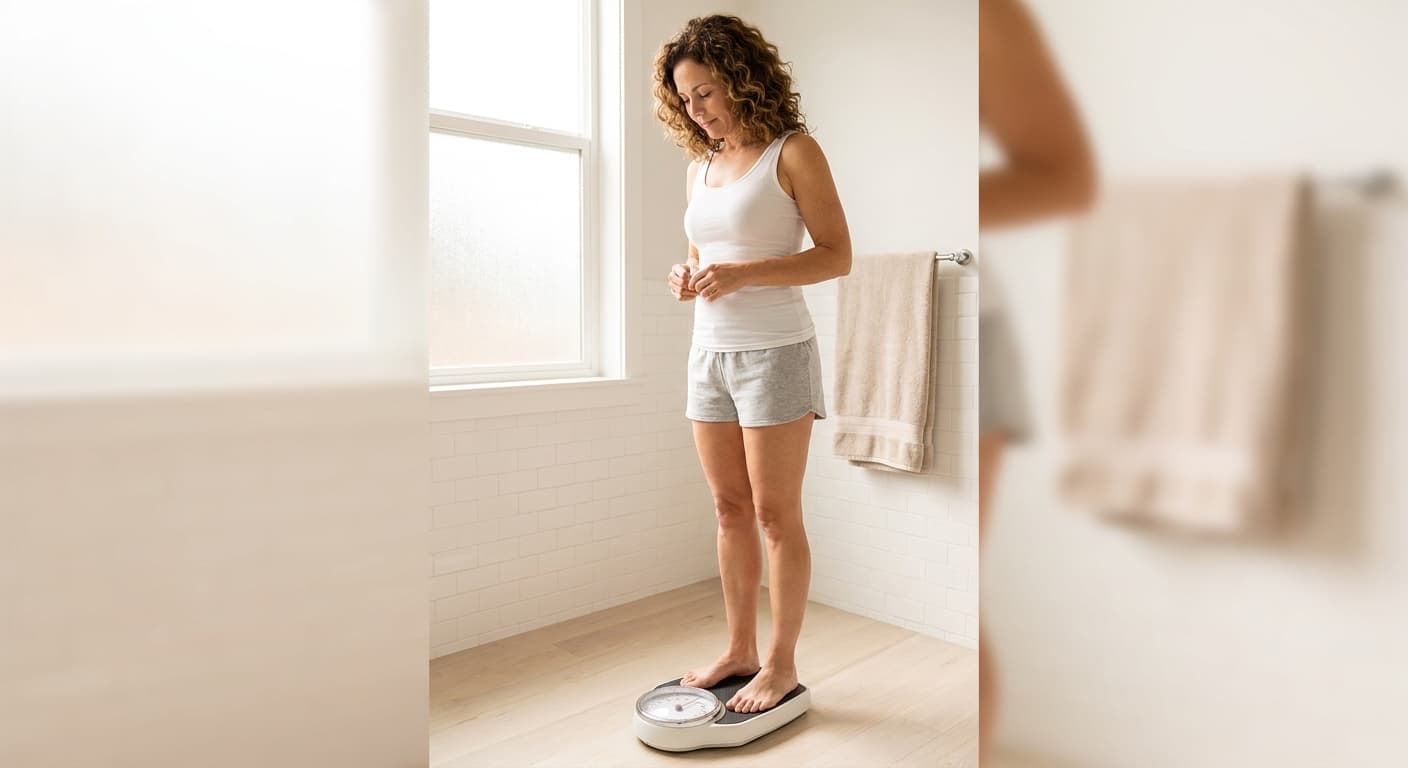
Weight loss plateaus happen to most people taking Zepbound. This is completely normal and doesn't mean the medication stopped working. Understanding why your progress has slowed helps you move forward.
What Causes Weight Loss Plateaus on Zepbound?
Your Body Adapts to the Medication
As you take Zepbound (tirzepatide) over time, your body adjusts to the medication. This is called metabolic adaptation. Your appetite suppression may feel less intense than when you first started.
This doesn't mean Zepbound is failing you. It means your body is becoming accustomed to the GLP-1 receptor agonist effects. Many people experience this after several months of consistent use.
You've Already Lost Significant Weight
Congratulations if you've lost weight already! Here's the reality: your body requires fewer calories to maintain a lighter weight. You naturally burn fewer calories at your new weight than your previous weight.
This is basic biology, not a personal failure. Your reduced calorie needs mean weight loss naturally slows down.
Your Calorie Intake May Have Increased
Even with appetite suppression, calorie creep happens. Small changes add up:
- Portion sizes gradually increasing
- More frequent snacking or treats
- Liquid calories from beverages
- Weekend eating patterns shifting
- Stress eating or emotional eating returning
Track your food intake for a few days using photo logging in the Dose AI app. You may discover eating patterns you didn't notice.
You're Not in a Calorie Deficit Anymore
Weight loss requires consuming fewer calories than your body burns. As your weight decreases, your calorie needs decrease too.
If your food intake stayed the same while your weight dropped, you're no longer in a deficit. This is why weight loss naturally slows as you progress.
Insufficient Water Intake
Dehydration can slow metabolism and increase hunger signals. When you're dehydrated, your body may hold onto water weight.
Zepbound users are especially prone to dehydration because nausea can reduce drinking. Use the water logging feature in Dose AI to track your daily hydration.
Sleep and Stress Issues
Poor sleep and high stress increase cortisol levels. Elevated cortisol promotes water retention and can trigger hunger hormones.
Quality sleep matters for weight loss. Aim for 7-9 hours per night. Managing stress through movement, meditation, or social connection also supports progress.
Medication Tolerance or Dose Plateau
Some people reach a point where their current Zepbound dose provides less appetite suppression. This doesn't happen to everyone, but it's possible.
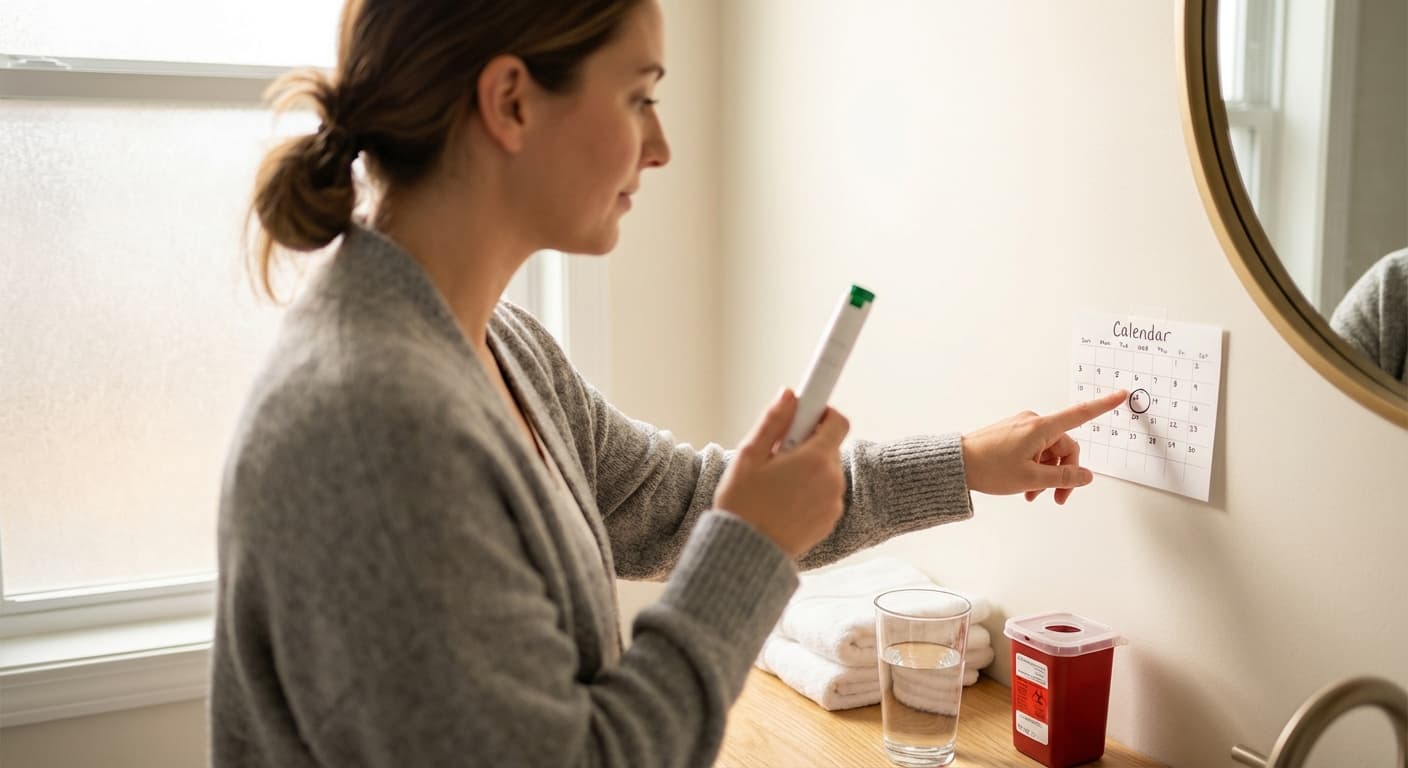
Your healthcare provider may discuss dose adjustments if this occurs. Never adjust your dose on your own.
What Can You Do About a Weight Loss Plateau?
Review Your Food Choices
Weight loss plateaus often signal that eating patterns have shifted. Look honestly at what you're consuming.
Use the Dose AI food logging feature to photograph your meals. The app's AI analyzes your macros and identifies patterns. You might notice:
- More carbs than protein
- Frequent high-calorie treats
- Larger portions than you realized
- Eating when not physically hungry
Increase Your Protein Intake
Protein keeps you feeling full longer and supports muscle preservation during weight loss. Higher protein diets also increase calorie burn slightly.
Aim for protein at each meal:
- Eggs and egg whites
- Chicken, turkey, fish
- Greek yogurt and cottage cheese
- Lean beef and pork
- Plant-based options like tofu and beans
The Dose AI app tracks your macro breakdown. Adjust to include more protein if you're currently low.
Move Your Body More
Exercise doesn't cause major weight loss by itself. But consistent movement supports metabolic health and can break through plateaus.
Try adding:
- 30 minutes of walking daily
- Strength training 2-3 times per week
- Stretching or gentle yoga
- Everyday movement like taking stairs
Start small and build gradually. Even light activity helps when combined with other strategies.
Drink More Water
Aim for at least 8-10 glasses of water daily. More if you exercise or live in a hot climate.
Adequate hydration:
- Supports metabolism
- Reduces false hunger signals
- Prevents water retention
- Improves energy levels
Log your water intake in Dose AI to stay accountable.
Improve Your Sleep
Prioritize 7-9 hours of quality sleep each night. Better sleep supports:
- Hunger hormone regulation
- Stress hormone balance
- Metabolism and energy burn
- Decision-making about food
Simple sleep improvements:
- Keep your bedroom cool and dark
- Stop screens 30 minutes before bed
- Go to bed at the same time daily
- Avoid caffeine after 2 PM
Manage Stress Actively
Chronic stress elevates cortisol, which promotes water retention and belly fat storage. Find stress management that works for you:
- Daily walks in nature
- Meditation or deep breathing
- Time with friends and family
- Hobbies you enjoy
- Professional counseling if needed
Track Your Symptoms and Progress
Use the Dose AI symptom tracker to log how you're feeling daily. Look for patterns between your symptoms, eating, sleep, and stress.
Track your progress beyond the scale:
- How your clothes fit
- Energy levels
- Strength improvements
- Measurements (waist, hips, chest)
- Before and after photos
Weight is just one measure of progress. Non-scale victories matter too.
Consider Your Zepbound Dose
If you've made all these changes and still see no progress after 4-6 weeks, talk to your healthcare provider. They may discuss:
- Whether you're at your target dose
- If a dose increase is appropriate
- Whether your current dose is right for you
- Other factors affecting your progress
Never change your dose without medical guidance.
How Long Do Weight Loss Plateaus Last?
Plateaus typically last 2-4 weeks. Some last longer. This is normal and expected during weight loss journeys.
Stay consistent with healthy habits during plateaus. Often, your weight suddenly drops after a plateau period. Your body needs time to adjust before the next phase of loss.
When Should You Contact Your Healthcare Provider?
Reach out to your doctor if:
- Your plateau lasts more than 8 weeks with no changes
- You're experiencing new or worsening side effects
- You have concerns about your current dose
- Your appetite suppression has completely disappeared
- You're struggling with emotional eating or binge eating
Your healthcare team can review your progress and recommend personalized next steps.
Frequently Asked Questions
Q: Does a weight loss plateau mean Zepbound stopped working?
A: No. A plateau means your body has adapted and you may need to adjust your eating or activity habits. Zepbound is still working—your body just needs different conditions to continue losing weight.
Q: How much weight should I expect to lose on Zepbound?
A: Individual results vary widely. Clinical trials show people lose 15-22% of their body weight on tirzepatide (Zepbound's active ingredient). Some lose more, some less. Your healthcare provider can discuss realistic goals for you.
Q: Should I increase my Zepbound dose to break through a plateau?
A: Don't adjust your dose on your own. Talk to your healthcare provider first. They'll consider your current dose, side effects, and overall progress before recommending any changes.
Q: Can I take a break from Zepbound and restart it later?
A: This question is best answered by your healthcare provider. Stopping and restarting medication has specific medical considerations. Never stop or change your medication without medical guidance.
Q: How do I know if my plateau is normal or if something is wrong?
A: Plateaus lasting 2-4 weeks are normal. If your plateau lasts 8+ weeks despite consistent healthy habits, contact your doctor. They can evaluate whether adjustments are needed.
Medical Disclaimer
This article is for informational purposes only and is not medical advice. Zepbound (tirzepatide) is a prescription medication approved by the FDA for weight management. Always consult with your healthcare provider before starting, stopping, or changing any medication or treatment plan.
Individual results vary. This content reflects general information about GLP-1 medications and is not personalized to your specific health situation. Your doctor can provide guidance tailored to your medical history and needs.
Related Dose AI Blog Posts
- How to Manage Zepbound Side Effects Effectively
- What to Eat on Zepbound: A Nutrition Guide
- Zepbound vs. Ozempic: What's the Difference?
- How to Log Your GLP-1 Progress Accurately
Sources
- National Institutes of Health (NIH): Tirzepatide for Weight Management - Clinical Trial Results. https://www.nih.gov
- FDA Approval Information: Zepbound (tirzepatide) for Weight Management. https://www.fda.gov