Don't Just Lose Weight.Keep Your Muscle.
GLP-1 medications are effective for weight loss — but without resistance training, a significant portion of that loss can be lean muscle. Strength training helps you lose fat and keep the muscle that supports your metabolism and long-term health. Consult your doctor before starting any new exercise program.
The Muscle LossProblem
Not all weight loss is equal. Losing fat is the goal — losing muscle is a problem. Here's what research shows about body composition during GLP-1-mediated weight loss.
What Happens Without Resistance Training
Research on body composition during GLP-1-mediated weight loss shows that 25-40% of total weight lost can come from lean mass (muscle, bone, and other non-fat tissue) when there is no resistance training component.
A study in Obesity journal analyzing STEP trial body composition data found that lean mass accounted for a significant portion of the total weight lost with semaglutide alone.
This matters because lean mass is metabolically active tissue — losing it means your resting metabolic rate decreases, making it harder to maintain weight loss long-term.
The "Skinny Fat" Risk
When a large proportion of weight lost is muscle, the result can be reaching a goal weight number but still having a high body fat percentage and a "soft" appearance — sometimes called "skinny fat."
This isn't just about appearance. Reduced muscle mass is associated with lower metabolic rate, decreased functional strength, poorer bone density, and increased risk of weight regain.
Strength training is the most direct and effective intervention to shift body composition toward more fat loss and less muscle loss during GLP-1 treatment.
Why Strength Training?What Research Shows
The benefits of resistance training for GLP-1 users are well-supported by research. Here are the three biggest reasons to pick up some weights.
Preserves Lean Mass
Resistance training directly stimulates muscle protein synthesis — the process that maintains and builds muscle. When combined with adequate protein intake, it can significantly reduce the proportion of weight lost from lean tissue. Studies show resistance training can preserve up to 93% of lean mass during weight loss programs.
Maintains Metabolic Rate
Muscle tissue burns more calories at rest than fat tissue. By preserving muscle during weight loss, you maintain a higher resting metabolic rate, which helps prevent the metabolic slowdown that commonly occurs during significant weight loss and makes it easier to maintain your results long-term.
Improves Body Composition
The goal isn't just a number on the scale — it's how you look, feel, and function. Strength training shifts the proportion of weight loss toward fat and away from muscle, resulting in a leaner, more toned physique at your goal weight. Two people at the same weight can look very different based on their body composition.
A Beginner-FriendlyApproach
You do not need to be a gym expert. You don't need heavy barbells, a gym membership, or years of experience. Bodyweight exercises, resistance bands, and light dumbbells all count. The key is showing up consistently.
Start with 2 Days
Two strength sessions per week is enough to see benefits. You can always add a third day later.
30 Minutes
An effective full-body workout can be done in 30 minutes. Quality over quantity.
Bodyweight Counts
Push-ups, squats, lunges, and planks are effective with no equipment at all.
Compound Moves
Focus on 6 key exercises that work your whole body. See the list below.
Work with a certified trainer if you're new to strength training. Even 2-3 sessions can teach you proper form and set you up with a safe, effective routine. Most gyms offer introductory training sessions at no extra cost.
6 Key CompoundExercises
Compound movements work multiple muscle groups at once — giving you the most benefit for your time. These six exercises form the foundation of an effective strength program. Focus on form before adding weight.
Squats
Targets quads, glutes, and core. Begin with bodyweight or chair-assisted squats. Progress to goblet squats with a dumbbell, then barbell squats.
Push-Ups
Targets chest, shoulders, and triceps. Start with wall push-ups if needed, progress to knee push-ups, then full push-ups.
Rows
Targets back and biceps. Can be done with dumbbells, resistance bands, or a cable machine. Bent-over rows are a great option.
Lunges
Targets quads, glutes, and hamstrings. Start with stationary lunges holding onto a chair for balance. Progress to walking lunges and add weights.
Overhead Press
Targets shoulders and triceps. Start with light dumbbells or even water bottles. Press overhead with control.
Deadlifts
Targets posterior chain: hamstrings, glutes, and lower back. Start with light dumbbells. Focus on hip hinge form before adding weight.
Sets & reps guideline: Aim for 2-3 sets of 8-12 repetitions per exercise. Rest 60-90 seconds between sets. Choose a weight that makes the last 2-3 reps challenging but doesn't compromise form. When 12 reps feel easy, increase the weight slightly. For a broader exercise overview, see our Exercise Guide for GLP-1 Users.
Fuel Your Trainingwith Proper Nutrition
Strength training without adequate nutrition is like building without materials. Protein is the key nutrient that supports muscle recovery and preservation. The two go hand in hand.

Pre-Workout
Eat a light meal or snack 1-2 hours before training. Include some protein and carbs for energy. Even something small like a banana with peanut butter or Greek yogurt can make a difference.
If your appetite is very low, a protein shake 30-60 minutes before is a good alternative.
Post-Workout
Aim for 20-40g of protein within a couple of hours after training. This supports muscle recovery and growth. A protein shake, chicken breast, or Greek yogurt bowl all work well.
Including some carbs post-workout helps replenish energy stores and supports recovery.
Daily Protein
Total daily protein intake matters most. Aim for 0.6-0.75g per pound of goal body weight, distributed across meals. This provides the raw materials your muscles need to maintain and recover.
See our High-Protein GLP-1 Guide for detailed food lists and tips.
Medical Disclaimer: This content is for informational purposes only and is not a substitute for professional medical advice, diagnosis, or treatment. Always consult your healthcare provider before making any decisions about your health or medications.
Strength TrainingQuestions
Common questions about resistance training while on GLP-1 medications.
Have More Questions?Do I need to lift weights on Ozempic?
While not required, resistance training is strongly recommended by many healthcare providers and fitness professionals for GLP-1 users. Without it, a significant portion of weight lost can come from lean muscle mass rather than fat. You don't need to 'lift heavy' — bodyweight exercises, resistance bands, and light weights all count.
How often should I strength train on GLP-1?
General guidelines suggest 2-3 strength training sessions per week, with at least one rest day between sessions targeting the same muscle groups. Start with 2 days if you're new to strength training and build up to 3 as your fitness improves.
Can I build muscle on GLP-1 medications?
Building significant new muscle while in a calorie deficit is challenging. However, beginners may experience 'newbie gains' — some muscle growth even in a deficit. The primary goal for GLP-1 users should be muscle preservation. Once you reach your goal weight, you can shift focus toward building with adequate calories and protein.
What exercises should beginners start with?
Focus on compound movements that work multiple muscle groups: squats, push-ups, rows, lunges, overhead press, and deadlifts. Start with bodyweight or light weights, focus on proper form, and gradually increase difficulty. Working with a certified trainer for a few sessions can help establish proper technique.
How does protein timing relate to strength training?
Consuming protein within a couple of hours after strength training supports muscle recovery. Aim for 20-40 grams post-workout. However, total daily protein intake is more important than exact timing. Focus on hitting 0.6-0.75g per pound of goal body weight daily, distributed across meals throughout the day.
Build Strength, Keep MuscleTrack It with Dose AI
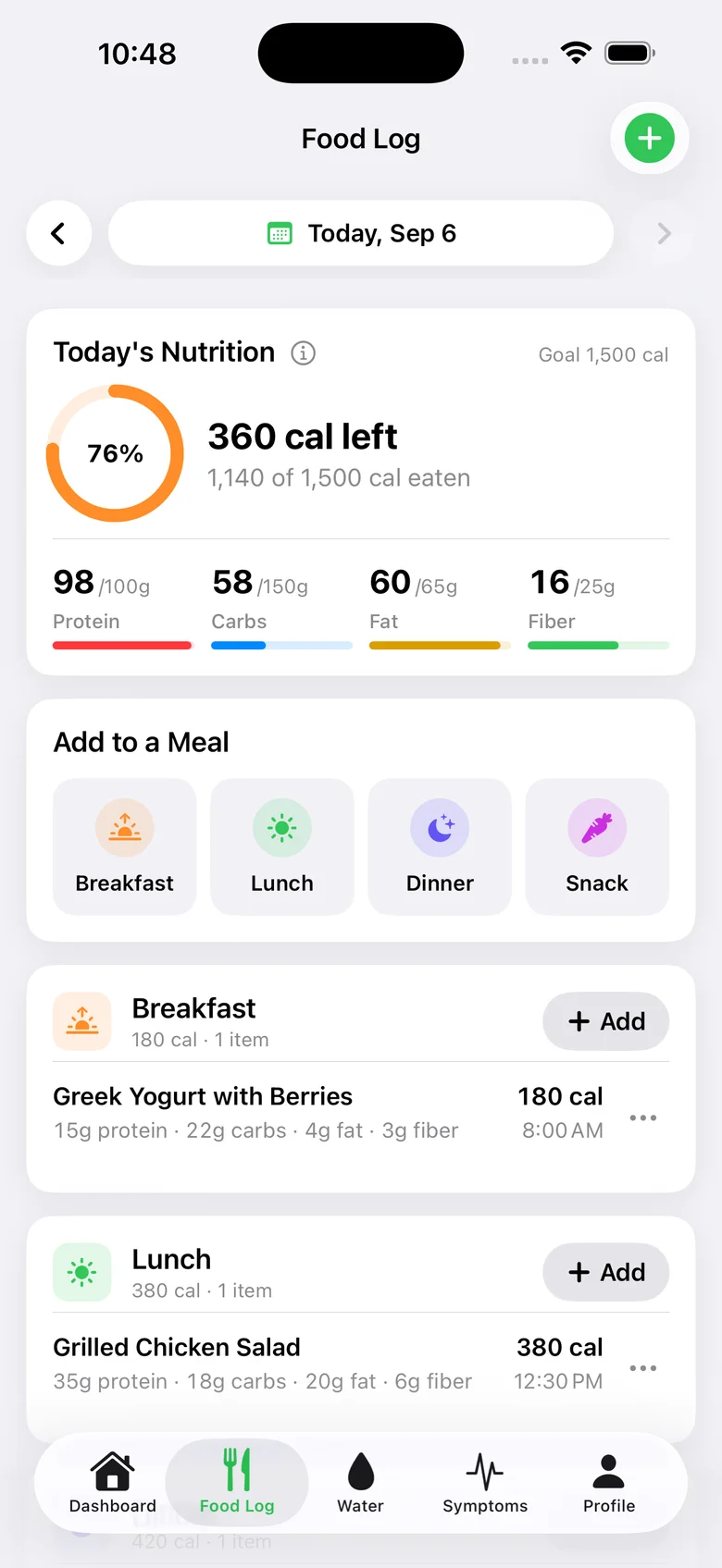
Strength training and nutrition work together. Dose AI tracks your weight trends, protein intake, and overall progress — so you can see the impact of your training.
Free download · iOS · Premium features available