The protein problem on GLP-1
GLP-1 medications suppress appetite, which helps with weight loss — but it also makes it harder to eat enough protein. The consequences of inadequate protein during weight loss can be significant.
What research shows
Published research indicates that during rapid weight loss — including weight loss from GLP-1 medications — up to 40-60% of weight lost can be lean mass (muscle and bone) rather than fat, particularly when protein intake and exercise are inadequate.
A study in the journal Obesity found that lean mass loss during GLP-1-mediated weight loss averaged 25-39% of total weight lost, depending on the study and population. This is higher than the typical 20-25% lean mass loss seen in diet-only weight loss.
Losing muscle mass can slow your metabolism, reduce functional strength, and make it harder to maintain weight loss long-term. This is why nutrition experts emphasize protein preservation strategies for GLP-1 users.
Why muscle matters
Metabolism
Muscle is metabolically active tissue. More muscle means a higher resting metabolic rate, which helps you maintain weight loss over time.
Body composition
Losing weight while preserving muscle leads to a leaner, more toned appearance. Excessive muscle loss can result in the "skinny fat" look despite reaching goal weight.
Functional strength
Muscle supports everyday activities, bone health, balance, and independence — especially important as we age. Preserving it during weight loss supports long-term quality of life.
Weight maintenance
Higher lean mass makes it easier to maintain your results long-term by keeping your calorie expenditure higher, even at rest.
How much protein do you need?
These are general guidelines from published research — your registered dietitian can personalize them for your specific needs.
General guidance
0.6 – 0.75 grams of protein per pound of goal body weight.
78–98g
protein per day
Goal weight: 130 lbs
96–120g
protein per day
Goal weight: 160 lbs
120–150g
protein per day
Goal weight: 200 lbs
Note
These ranges are based on general nutrition research for individuals undergoing weight loss. Some experts recommend even higher protein intake during active weight loss on GLP-1 medications. Your dietitian can help you find the right target based on your activity level, age, and health status.
Best protein sources for GLP-1 users
These protein-rich foods are commonly well-tolerated by GLP-1 users. Approximate protein content per serving is listed. For a complete meal plan, see our 7-Day Meal Plan.
| Food (serving) | Category | Protein |
|---|
| Chicken breast (4 oz) | Poultry | 31g |
|---|
| Greek yogurt (1 cup) | Dairy | 15-20g |
|---|
| Eggs (2 large) | Eggs | 12g |
|---|
| Salmon (4 oz) | Fish | 25g |
|---|
| Cottage cheese (1/2 cup) | Dairy | 14g |
|---|
| Whey protein (1 scoop) | Supplement | 20-30g |
|---|
| Ground turkey (4 oz) | Poultry | 22g |
|---|
| Shrimp (4 oz) | Seafood | 24g |
|---|
| Tofu, firm (1/2 cup) | Plant | 10g |
|---|
| Lentils, cooked (1 cup) | Plant | 18g |
|---|
| Cod (4 oz) | Fish | 22g |
|---|
| Edamame (1 cup) | Plant | 17g |
|---|
Easy ways to add protein
You don't need to overhaul your diet. Small, strategic additions can significantly boost your daily protein intake.
Protein with every meal
Make it a rule: every meal includes a protein source. Scrambled eggs at breakfast, chicken at lunch, salmon at dinner. This distributes protein throughout the day for better absorption.
Protein smoothies
Blend protein powder with fruit, spinach, and milk or yogurt. A single smoothie can deliver 30-40g of protein and is easy on the stomach when solid food feels like too much.
High-protein snacks
Keep protein-rich snacks on hand: Greek yogurt, string cheese, hard-boiled eggs, beef jerky, edamame, or cottage cheese. These are easy to grab when appetite is low.
Add protein powder to foods
Mix unflavored protein powder into oatmeal, yogurt, soups, or even pancake batter. This is a simple way to boost protein content without changing the meal itself.
Eat protein first
When you sit down to eat, start with the protein on your plate. This ensures you get in the most important macronutrient even if you can't finish the entire meal.
Combine with strength training
Protein intake is most effective for muscle preservation when combined with resistance training. Even 2-3 sessions per week can make a significant difference. See our strength training guide.
For exercise guidance, see our Strength Training on GLP-1 guide.
Track your protein with Dose AI
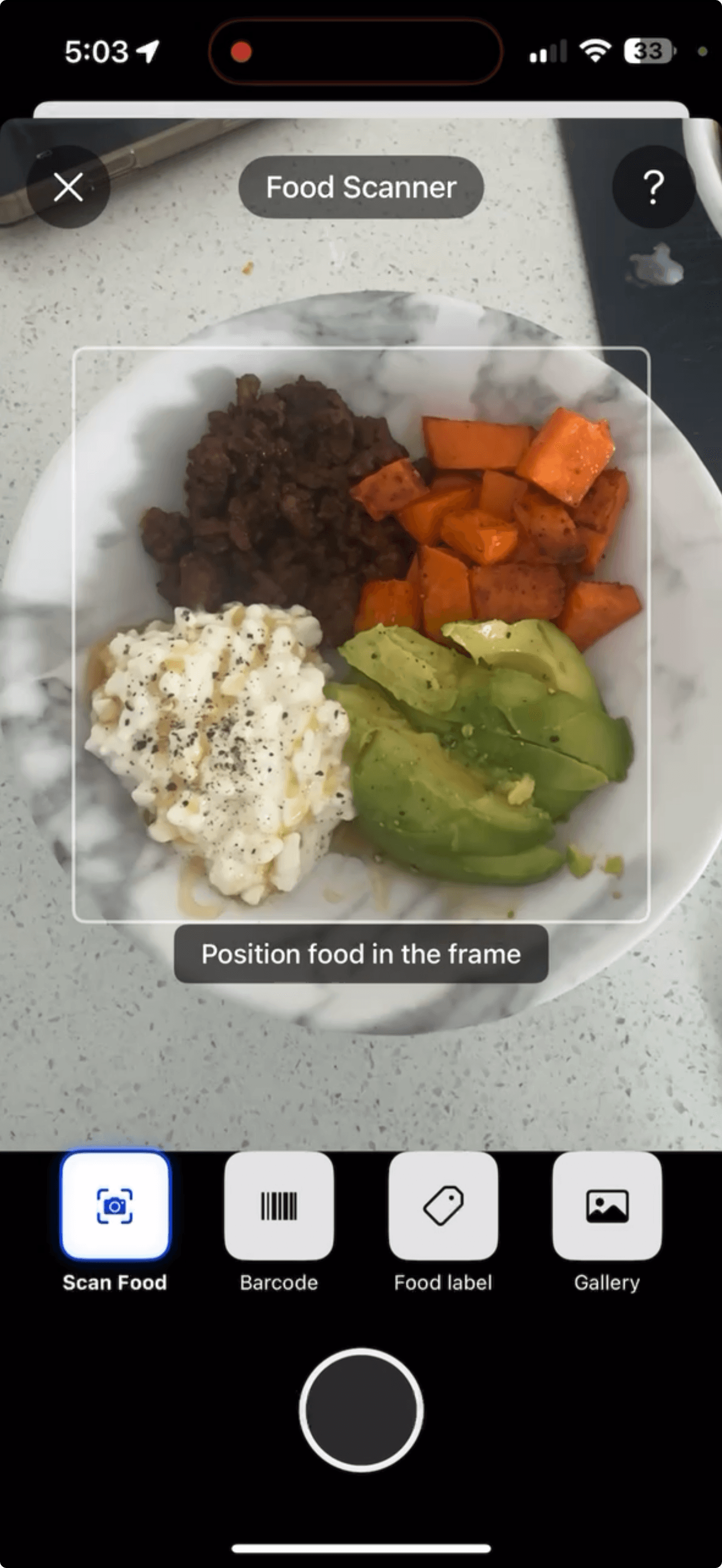
Dose AI's AI food scanner automatically calculates protein content from a photo of your meal. See your daily protein progress at a glance and know exactly where you stand against your goals.
Snap a photo
Take a photo of your meal and Dose AI identifies the food and estimates protein, calories, carbs, and fat. No manual entry, no guessing.
Daily progress
See how much protein you've eaten today and how close you are to your goal. Track trends over weeks and months to stay consistent.