How Do You Track Progress on Zepbound?
Tracking progress on Zepbound helps you see real results and stay motivated. There are many ways to measure success beyond just the scale.
What Are the Best Ways to Track Zepbound Progress?
The most effective progress tracking uses multiple methods. This gives you a complete picture of how Zepbound is working for you.
Scale Weight
Weighing yourself is the most common tracking method. Here's how to do it effectively:
- Weigh yourself once per week, at the same time of day
- Morning weigh-ins before eating are most consistent
- Use the same scale each time for accuracy
- Don't obsess over daily fluctuations (they're normal)
- Track your weight in a journal or app
Weight loss on Zepbound happens gradually. Most people see results within 2 to 4 weeks. Expect to lose 1 to 2 pounds per week on average.
Measurements and Inches Lost
The scale doesn't tell the whole story. Your body composition changes matter too.
Take measurements of these areas:
- Waist circumference (around your belly button)
- Hip circumference (widest part of hips)
- Chest measurement
- Thigh measurement
- Upper arm measurement
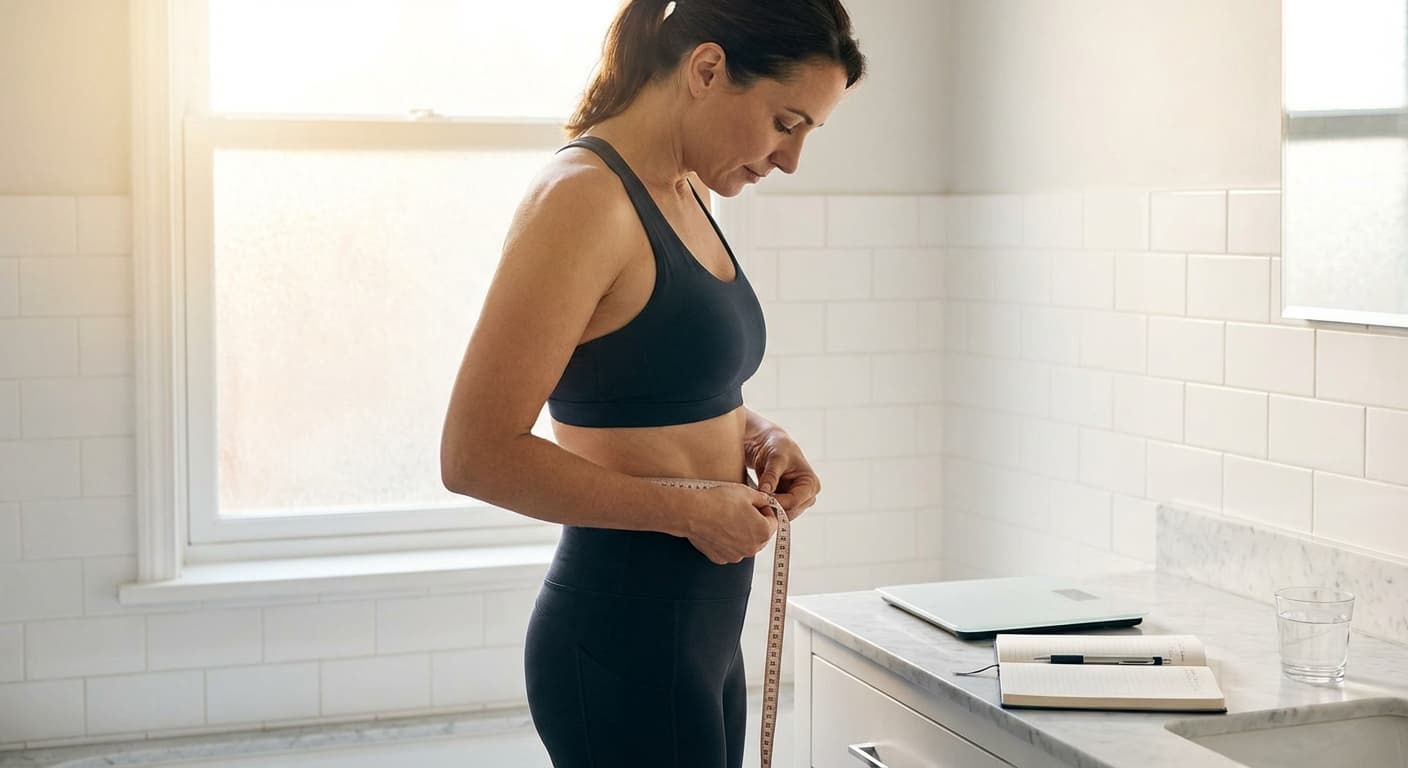
Measure yourself monthly using a soft measuring tape. Write down the numbers. You might lose inches before seeing big scale changes. This is completely normal and shows Zepbound is working.
Progress Photos
Photos show changes the scale might miss. They're powerful motivators.
Here's how to take progress photos:
- Take photos once per month
- Wear the same clothing each time
- Use the same location and lighting
- Take front, side, and back views
- Keep photos private in a secure folder
Looking back at photos after 8 to 12 weeks shows dramatic changes. Many people are shocked by how different they look.
How-to: Using Dose AI's Progress Tracker
Dose AI makes tracking simple and organized. Here's how to use it:
Step 1: Set Up Your Baseline
- Log your starting weight
- Upload your first progress photo
- Record your initial measurements
Step 2: Log Weekly
- Enter your weight each week on the same day
- Add new measurements monthly
- Upload updated progress photos monthly
Step 3: Review Trends
- The app shows your weight trend over time
- You can see photo comparisons side-by-side
- Charts reveal patterns in your progress
Step 4: Stay Motivated
- Watch your progress graph climb
- See visual changes in photo comparisons
- Celebrate small wins along the way
The Progress Tracker also connects to your Shot Logging. You can see how your weight changes after each Zepbound injection. This helps you understand your personal response to the medication.
What Other Health Metrics Should You Track?
Weight is just one part of the picture. Zepbound improves many health markers.
Energy Levels
How you feel matters. Track your daily energy:
- Rate your energy from 1 to 10 each day
- Note when you feel most energetic
- Track changes in activity level
- Write down how exercise feels
Most people have more energy after a few weeks on Zepbound.
Appetite and Hunger
Zepbound works by reducing hunger. Notice these changes:
- How full you feel after meals
- Whether you snack between meals
- Cravings for sugary or salty foods
- Time between feeling hungry
Use Dose AI's Symptom Tracker to log hunger levels daily. You'll spot patterns quickly.
Clothing Fit
This is a real-world progress marker. Notice:
- Pants that feel looser
- Belts needing to tighten
- Shirts fitting differently
- Needing smaller sizes
Many people notice clothing changes before the scale moves much.
Blood Sugar and Metabolic Health
If you have diabetes or prediabetes, Zepbound helps control blood sugar. Work with your doctor to track:
- Fasting blood sugar levels
- HbA1c (long-term blood sugar average)
- Blood pressure
- Cholesterol levels
These improvements matter for your long-term health.
How Does Nutrition Tracking Help?
What you eat affects your results. Tracking food helps you understand your eating patterns.
Using Dose AI's Food & Macro Logging
The Food & Macro Logging feature makes nutrition tracking easy:
- Take a photo of your meal
- AI analyzes what you ate
- See calories, protein, carbs, and fat instantly
- Identify patterns in your eating
You don't need to eat "perfectly" on Zepbound. But tracking helps you:
- Notice which foods make you feel best
- Understand portion sizes
- Spot hidden calories
- Build better eating habits
Track meals for at least one week per month. This gives you enough data to see patterns without feeling like constant work.
Why Is Symptom Tracking Important?
Zepbound can cause side effects. Tracking symptoms helps you manage them.
Using the Symptom Tracker
Log these daily:
- Nausea or stomach upset
- Energy levels
- Appetite changes
- Mood changes
- Sleep quality
- Digestive changes
After 2 to 4 weeks of tracking, you'll see patterns. You might notice:
- Nausea is worse on certain days
- Energy dips at specific times
- Certain foods trigger symptoms
- Symptoms improve over time
Share this data with your healthcare provider. It helps them adjust your dose if needed.
How Often Should You Check Progress?
Tracking too often can be discouraging. Here's a realistic schedule:
| Tracking Method | Frequency | Best Time |
|---|---|---|
| Scale weight | Weekly | Same day, same time |
| Measurements | Monthly | First day of month |
| Progress photos | Monthly | Same day as measurements |
| Energy/mood | Daily | Evening or morning |
| Food tracking | 1 week per month | Any full week |
| Symptom tracking | Daily | Evening |
| Doctor checkups | Every 3-4 months | As scheduled |
This schedule keeps you informed without becoming obsessive.
What Results Can You Expect?
Zepbound is FDA-approved for weight loss. Clinical trials show:
- Average weight loss of 15% to 22% of body weight
- Results appear within 2 to 4 weeks
- Maximum weight loss usually happens by week 16
- Results continue improving through week 68
Your personal results depend on:
- Your starting weight
- How well you tolerate the dose
- Your eating habits
- Your activity level
- Your metabolism
Don't compare your progress to others. Everyone's journey is different.
When Should You Contact Your Doctor?
Track these warning signs and call your doctor if you notice:
- Severe nausea or vomiting that doesn't improve
- Signs of pancreatitis (severe belly pain, vomiting)
- Gallbladder problems (pain in upper right belly)
- Vision changes
- Rapid heartbeat
- Severe dehydration
- No weight loss after 8 weeks
Your doctor can help adjust your dose or address side effects.
Frequently Asked Questions
Q: How much weight should I lose in the first month on Zepbound?
A: Weight loss varies by person. Most people see 1 to 2 pounds per week. Some see results within 2 to 4 weeks, while others take longer. Don't worry if progress is slow at first. Consistency matters more than speed.
Q: Why am I losing inches but not weight?
A: This is normal and actually a good sign. You might be building muscle while losing fat. Muscle weighs more than fat. Your body composition is improving even if the scale doesn't move. Keep taking measurements and photos.
Q: Should I track calories on Zepbound?
A: Calorie counting isn't required. Most people eat less naturally on Zepbound. However, logging food for one week per month helps you understand your eating patterns. Use Dose AI's Food & Macro Logging to see what works best for you.
Q: What if I'm not seeing results after 8 weeks?
A: Talk to your doctor. You might need a dose adjustment. Results take time for some people. Make sure you're following your injection schedule and giving Zepbound enough time to work. Your doctor can help troubleshoot.
Q: Is it normal to have weeks with no weight loss?
A: Yes. Weight loss isn't always linear. You might have weeks where the scale doesn't move, then lose 3 pounds the next week. This is called a weight loss plateau and is completely normal. Keep tracking and stay consistent.
Related Dose AI Blog Posts
- How Do GLP-1 Medications Work for Weight Loss?
- What Are Common Zepbound Side Effects and How to Manage Them?
- Best Foods to Eat on Zepbound
- How to Prepare for Your First Zepbound Injection
Medical Disclaimer
This article is for educational purposes only and should not replace professional medical advice. Zepbound (semaglutide) is a prescription medication that requires doctor supervision.
Always consult with your healthcare provider before starting Zepbound or making changes to your treatment plan. Do not adjust your dose without medical guidance.
If you experience severe side effects or have concerns about your progress, contact your doctor immediately.
This content is based on FDA-approved information and clinical research current as of 2024-2025. Talk to your healthcare team about your individual health situation.
Sources:
-
FDA Approval Information for Zepbound (semaglutide). U.S. Food and Drug Administration. https://www.fda.gov
-
National Institute of Diabetes and Digestive and Kidney Diseases (NIDDK). Weight Loss & Diet Plans. https://www.niddk.nih.gov