Can Ozempic or Mounjaro Affect Your Kidneys?
Understanding GLP-1 Medications and Kidney Health
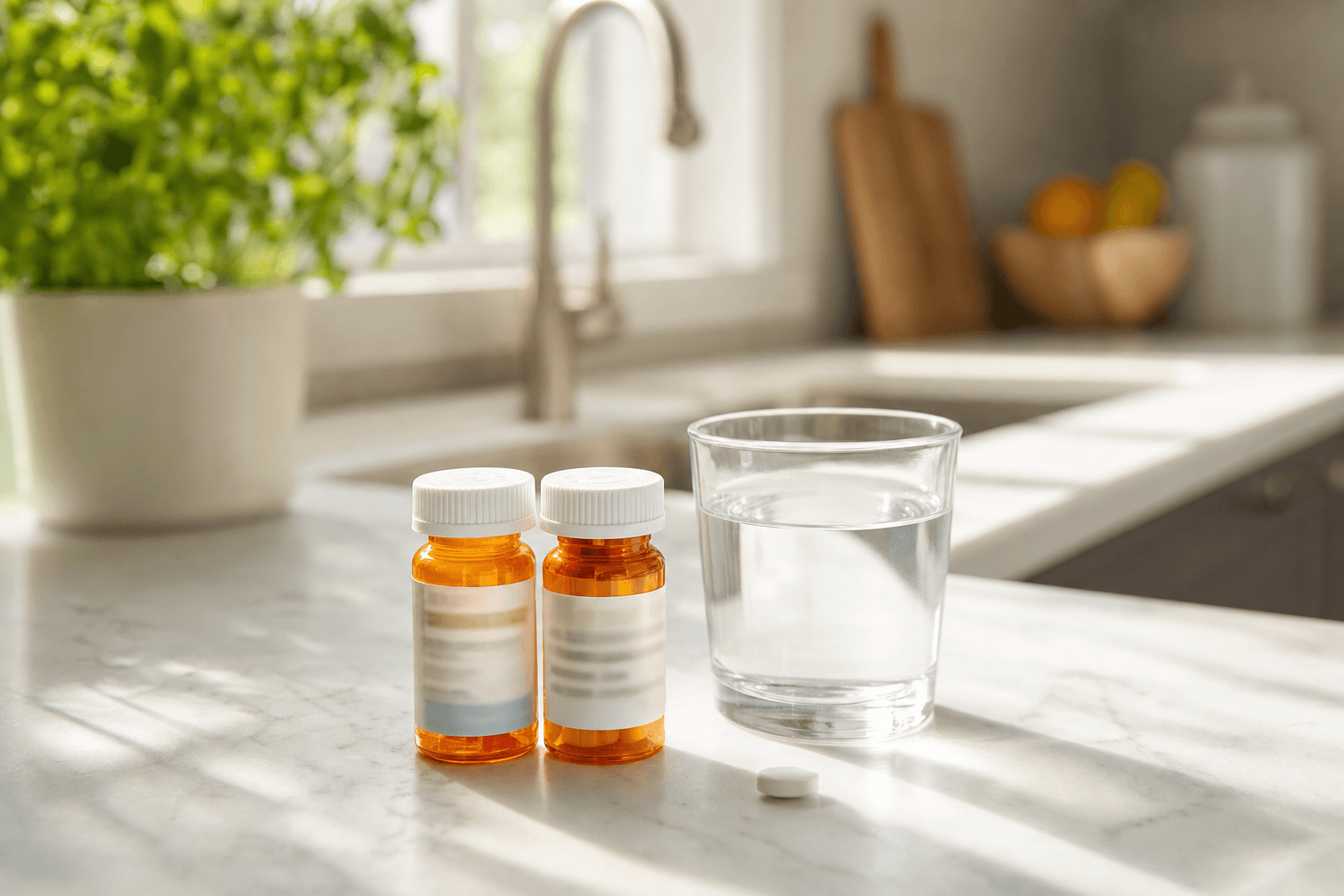
Ozempic and Mounjaro are popular GLP-1 receptor agonist medications. They help people manage weight and blood sugar levels. Many people taking these medications wonder about kidney safety.
The good news: Both medications can actually help protect your kidneys in many cases. However, you should still monitor your kidney health closely. Let's explore what the research shows and what warning signs matter.
How Do Ozempic and Mounjaro Work?
Both medications work by mimicking a natural hormone called GLP-1. This hormone helps your body control blood sugar and appetite.
Ozempic contains semaglutide. Mounjaro contains tirzepatide, which also activates another receptor called GIP. Both are FDA-approved for weight loss and diabetes management.
Can These Medications Damage Your Kidneys?
The short answer: These medications typically do not damage healthy kidneys. In fact, research suggests they may offer kidney protection.
Why kidney protection happens:
- Lower blood sugar levels reduce strain on kidneys
- Weight loss improves overall kidney function
- Better blood pressure control helps kidneys work better
- These medications may reduce inflammation
A 2024 clinical trial showed that tirzepatide (Mounjaro) helped protect kidney function in people with type 2 diabetes. Similar benefits have been seen with semaglutide (Ozempic).
Who Needs Extra Kidney Monitoring?
Certain people should pay closer attention to kidney health while taking these medications.
You may need extra monitoring if you have:
- Existing kidney disease or reduced kidney function
- Diabetes that's been difficult to control
- High blood pressure
- A family history of kidney problems
- Dehydration or frequent vomiting
- Are taking other medications that affect kidneys
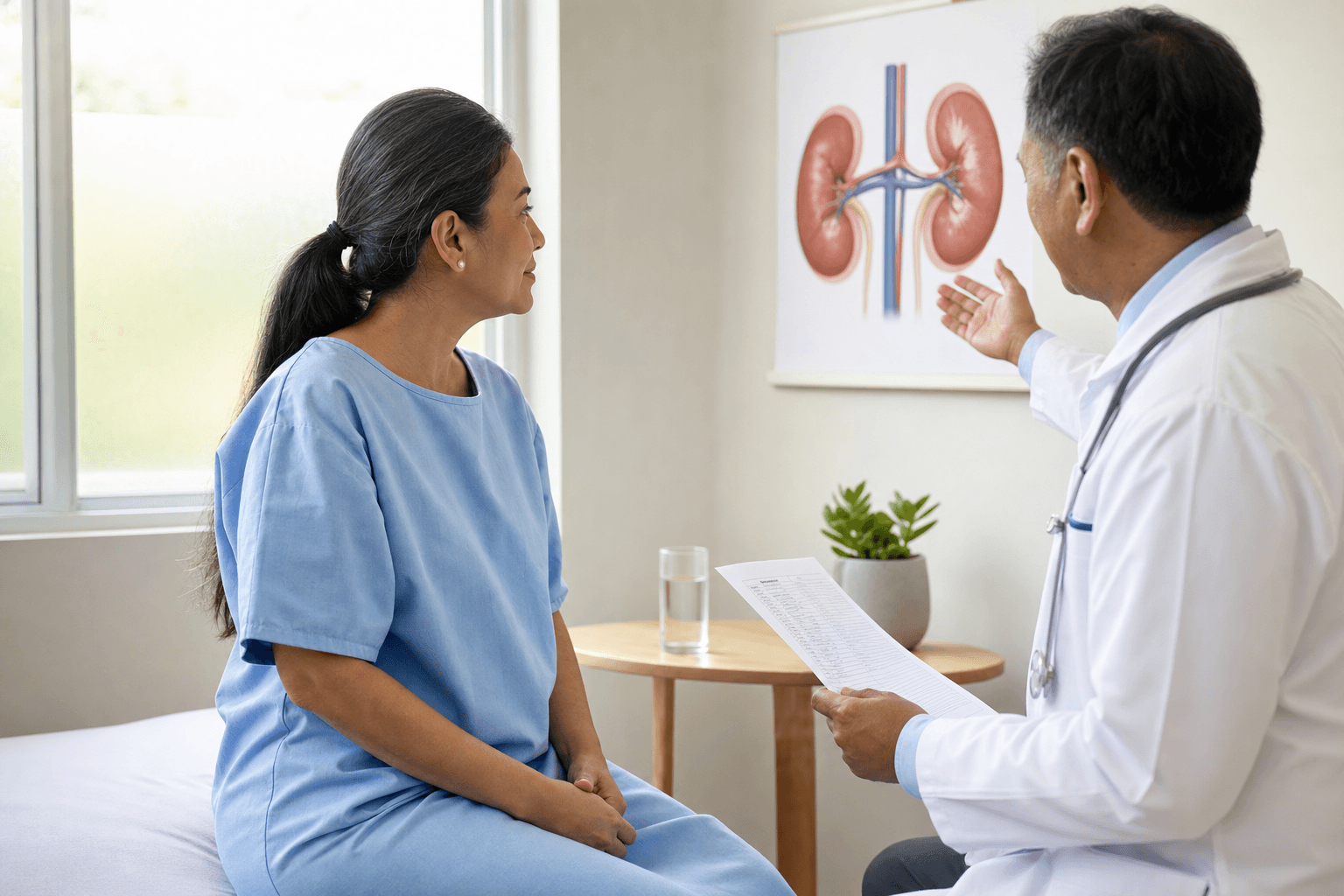
Talk to your doctor about your specific kidney risk. They can order kidney function tests before you start and during treatment.
What Are the Warning Signs?
Watch for these kidney-related warning signs while taking Ozempic or Mounjaro:
Physical symptoms to notice:
- Swelling in your feet, ankles, or hands
- Unusual fatigue or weakness
- Shortness of breath
- Nausea or loss of appetite
- Difficulty concentrating or brain fog
- Changes in how often you urinate
- Dark or foamy urine
- Back or side pain
Important note: Some of these symptoms overlap with common GLP-1 side effects like nausea. This makes it harder to know what's causing what. That's why tracking matters.
How Can You Track Your Symptoms?
Use the Dose AI Symptom Tracker to record daily symptoms. Log when symptoms happen and what they feel like. Over time, patterns emerge that help you and your doctor understand what's really going on.
Also track your Water Logging in Dose AI. Dehydration can stress your kidneys. Make sure you're drinking enough water each day, especially if you experience nausea or vomiting from your medication.
What Tests Check Your Kidney Health?
Your doctor will likely order these kidney function tests:
Creatinine test: Measures a waste product your kidneys filter out. Higher levels may mean kidney problems.
eGFR (estimated glomerular filtration rate): Shows how well your kidneys filter waste. Normal is 60 or higher.
Urinalysis: Checks for protein or other abnormalities in your urine.
Blood urea nitrogen (BUN): Another measure of kidney function.
Your doctor should check these before starting Ozempic or Mounjaro. They may repeat tests during your first year of treatment. After that, annual testing is typical.
How Does Dehydration Affect Your Kidneys?
Dehydration is a major concern for people taking GLP-1 medications. These drugs can cause nausea, vomiting, or diarrhea. These side effects lead to fluid loss.
Why dehydration hurts kidneys:
- Your kidneys need adequate water to filter waste properly
- Dehydration concentrates waste in your urine
- This puts extra stress on kidney function
- Severe dehydration can cause acute kidney injury
How to prevent dehydration:
- Drink water consistently throughout the day
- Aim for at least 8-10 glasses daily, or as your doctor recommends
- Drink before, during, and after exercise
- Use the Dose AI Water Logging feature to track daily intake
- Increase intake if you experience nausea or vomiting
- Drink water with electrolytes if vomiting occurs
What If You Have Existing Kidney Disease?
If you already have kidney disease, Ozempic or Mounjaro may still be safe. But you need special care and monitoring.
Important considerations:
- Tell your doctor about your kidney disease before starting
- Your doctor may adjust your dose or monitoring schedule
- Kidney protection benefits may still apply
- More frequent kidney function tests are needed
- Your doctor might recommend a different medication in severe cases
Never start these medications without your doctor knowing about existing kidney problems.
Managing Your Kidney Health While on GLP-1 Therapy
Practical steps you can take:
- Stay well-hydrated throughout the day
- Eat a balanced diet with controlled sodium intake
- Exercise regularly as recommended by your doctor
- Maintain a healthy weight
- Control your blood pressure
- Manage blood sugar levels
- Avoid excessive alcohol
- Don't take NSAIDs (like ibuprofen) without asking your doctor first
- Attend all scheduled doctor appointments
Use Dose AI to support kidney health:
- Log water intake daily with Water Logging
- Track symptoms with the Symptom Tracker
- Record any nausea or vomiting that affects hydration
- Monitor your progress with the Journey Tracker
- Use Food Logging to track sodium intake
When Should You Contact Your Doctor?
Seek medical attention right away if you experience:
- Sudden swelling in your feet or face
- Severe or worsening fatigue
- Shortness of breath at rest
- Persistent nausea or vomiting lasting more than a few hours
- Blood in your urine
- Severe back or side pain
- Inability to urinate or changes in urination
- Confusion or difficulty concentrating
Don't wait for your next appointment. Call your doctor or go to urgent care if you notice these symptoms.
What Does Current Research Say?
Recent studies show encouraging news about GLP-1 medications and kidney health.
A major 2024 study published in the New England Journal of Medicine found that tirzepatide (Mounjaro) improved kidney function markers in people with type 2 diabetes. The medication reduced the risk of kidney disease progression.
Similar findings have been reported with semaglutide (Ozempic). Better blood sugar control and weight loss both contribute to improved kidney function over time.
However, research also emphasizes the importance of hydration and monitoring, especially in people with existing kidney problems.
FAQ: Common Questions About GLP-1 Medications and Kidney Health
Q: Can I take Ozempic or Mounjaro if I have kidney disease?
A: Possibly, but only with your doctor's approval and close monitoring. Tell your doctor about any kidney problems before starting. They'll determine if it's safe and may adjust your dose or monitoring plan.
Q: How often should I get kidney function tests while on these medications?
A: Typically, your doctor will test before you start, then annually during treatment. If you have existing kidney disease or other risk factors, testing may be more frequent. Ask your doctor what schedule is right for you.
Q: Is dehydration the main kidney risk with these medications?
A: Dehydration is the biggest modifiable risk. These medications cause nausea and vomiting, which lead to fluid loss. Staying hydrated is one of the most important things you can do to protect your kidneys.
Q: What's the difference between Ozempic and Mounjaro regarding kidney health?
A: Both medications appear to protect kidney function in research studies. Mounjaro (tirzepatide) has slightly more recent data showing kidney benefits. Talk to your doctor about which might be better for your specific situation.
Q: Should I avoid NSAIDs like ibuprofen while taking these medications?
A: Yes, NSAIDs can stress your kidneys, especially when combined with GLP-1 medications. Ask your doctor before taking any over-the-counter pain relievers. Acetaminophen is often a safer alternative.
Medical Disclaimer
This article is for educational purposes only. It is not medical advice. Always consult with your healthcare provider before starting, stopping, or changing any medication. If you experience symptoms of kidney problems, seek immediate medical attention. Your doctor can assess your individual risk factors and determine the best treatment plan for you.
Sources:
- National Institutes of Health (NIH) - GLP-1 Receptor Agonists and Kidney Protection Studies
- FDA Prescribing Information for Ozempic and Mounjaro
Related Dose AI Blog Posts:
- How to Manage Nausea and Vomiting on GLP-1 Medications
- The Complete Guide to Staying Hydrated While on Ozempic
- Understanding GLP-1 Side Effects: What's Normal and What's Not
- How to Track Your Health Progress on Ozempic or Mounjaro