
When Should You Stop GLP-1 Medications Before Pregnancy?
Quick Answer
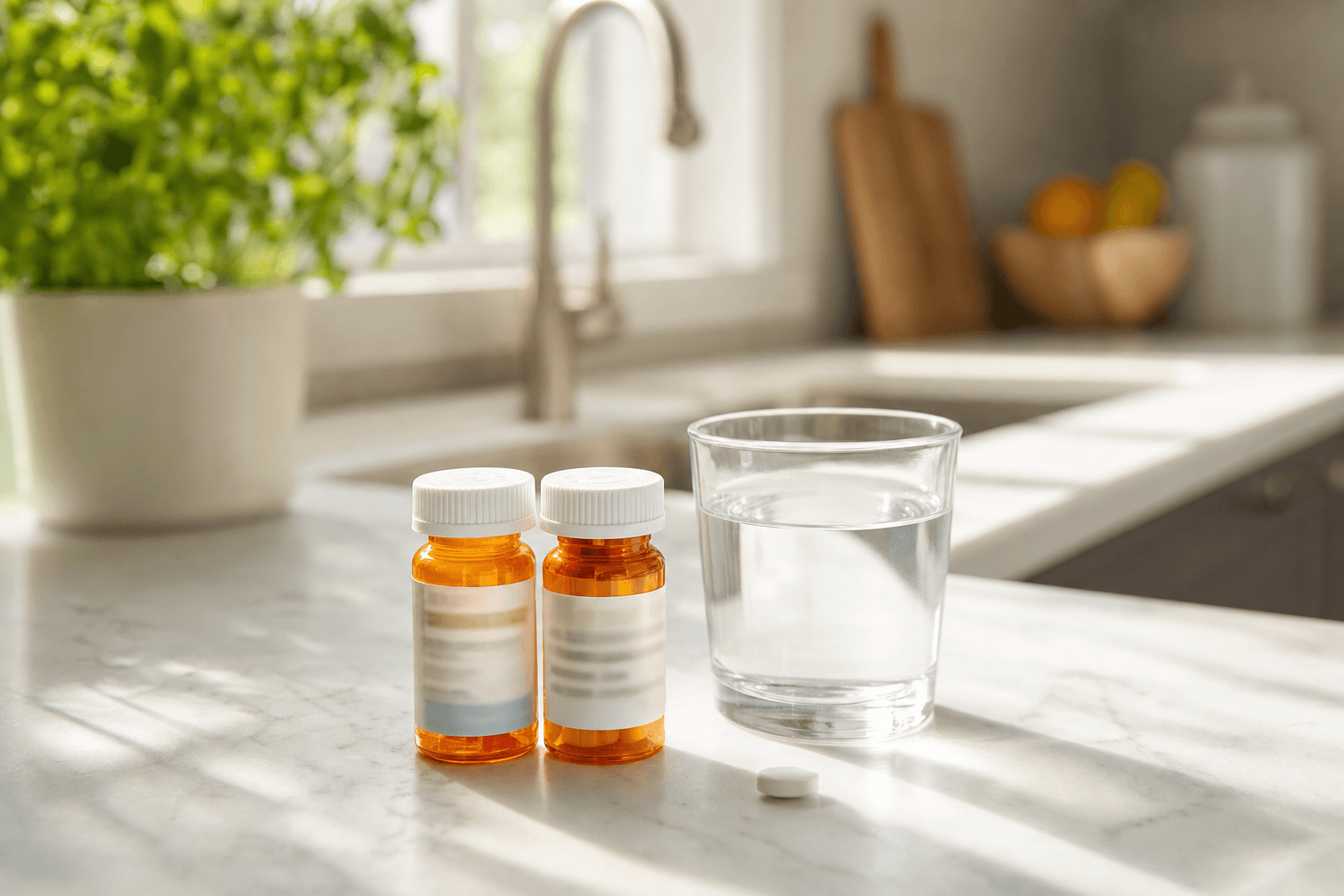
Stop GLP-1 medications like Ozempic, Wegovy, Mounjaro, and Zepbound as soon as you plan to become pregnant. Talk to your doctor right away if you're trying to conceive or think you might be pregnant. There is no safe amount of these medications during pregnancy.
Why Stop GLP-1 Medications Before Pregnancy?
GLP-1 receptor agonists affect how your body manages blood sugar and appetite. During pregnancy, your body needs different hormone levels to support a growing baby.
The main concerns:
- These medications haven't been studied enough in pregnant women
- Animal studies show possible risks to fetal development
- The FDA classifies most GLP-1s as Category C (for semaglutide) or Category X (for tirzepatide)
- Your baby's organs develop during the first trimester—the most critical time
Tirzepatide (Mounjaro, Zepbound) is especially important to stop early. It's a dual GLP-1/GIP receptor agonist with less pregnancy data available.
How Long Before Pregnancy Should You Stop?
The simple answer: Stop immediately when you decide to try for a baby.
You don't need to wait weeks or months after stopping. Once you stop the medication, it leaves your body relatively quickly.
What this means:
- Most GLP-1s clear your system within days to a week
- Your body can start preparing for pregnancy right away
- Talk to your doctor about your specific timeline
Important Timeline Information
If You're Planning to Get Pregnant
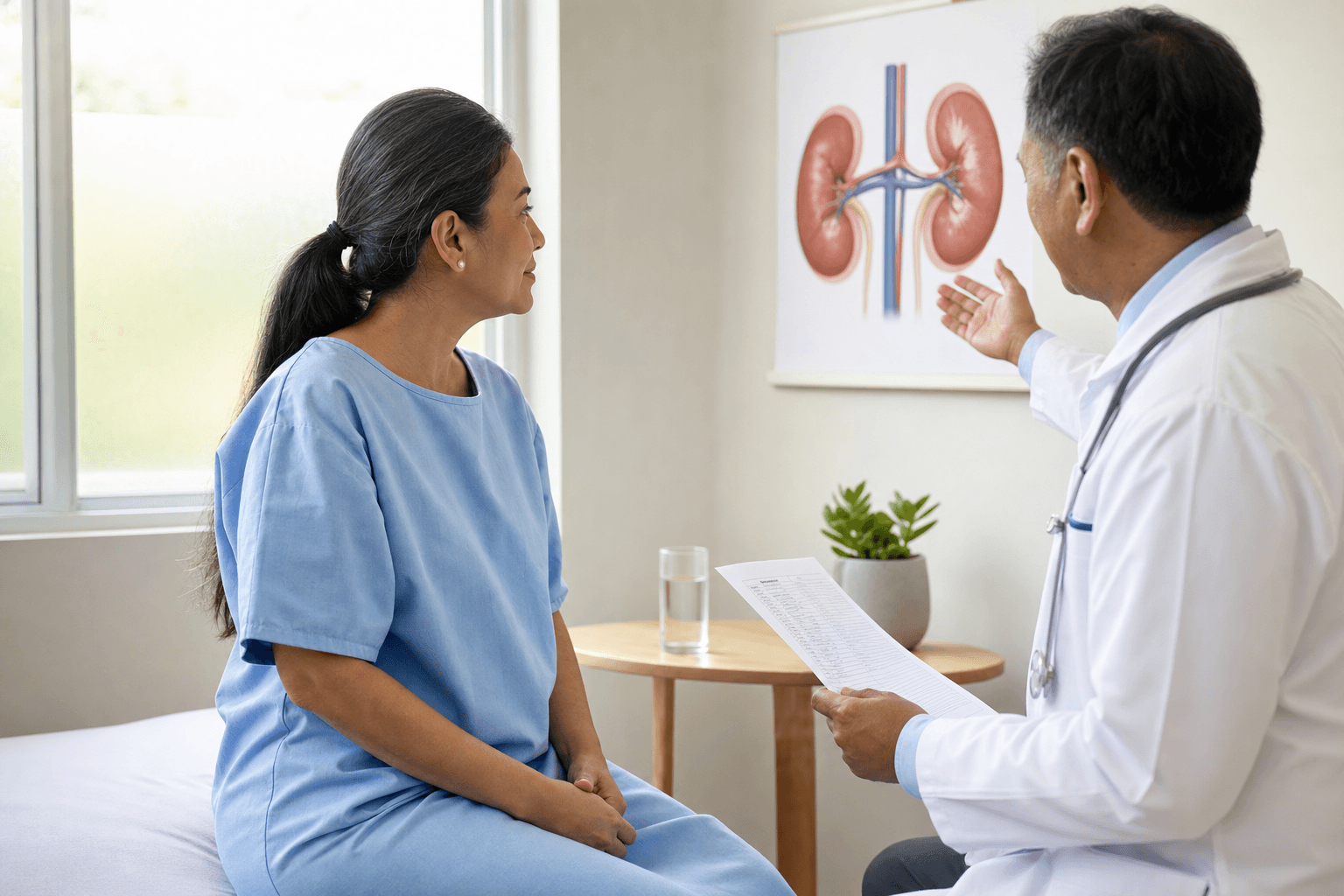
Schedule a preconception visit with your OB-GYN or primary care doctor at least 1-2 months before trying to conceive. This gives you time to:
- Discuss stopping GLP-1 medications
- Review your weight management plan without GLP-1s
- Address any health conditions (like diabetes or PCOS)
- Start prenatal vitamins with folic acid
- Get baseline health checks
If You Just Found Out You're Pregnant
Stop your GLP-1 medication immediately and call your doctor the same day. Don't wait for your next scheduled dose.
What happens next:
- Your doctor will assess how far along you are
- They'll check if the medication could affect early development
- They'll create a safe plan for managing your weight during pregnancy
- You may need more frequent monitoring
If You're Already Pregnant and Taking a GLP-1
This is an emergency conversation with your OB-GYN. Stop taking the medication and schedule an urgent appointment. Early intervention is important.
What About Different GLP-1 Medications?
Ozempic (Semaglutide)
Ozempic is FDA-approved for type 2 diabetes. Pregnancy category: C (limited human data).
Timeline: Stop when planning pregnancy or immediately if pregnant.
Wegovy (Semaglutide)
Wegovy is FDA-approved for weight loss. Same active ingredient as Ozempic.
Timeline: Stop when planning pregnancy or immediately if pregnant.
Mounjaro (Tirzepatide)
Mounjaro is FDA-approved for type 2 diabetes. Pregnancy category: Not officially classified (even less data).
Timeline: Stop immediately when planning pregnancy. This one has the least pregnancy research.
Zepbound (Tirzepatide)
Zepbound is FDA-approved for weight loss. Same as Mounjaro but for weight management.
Timeline: Stop immediately when planning pregnancy.
What Should You Do Instead During Pregnancy?
Weight Management Without GLP-1s
Once you stop your medication, talk to your doctor about healthy weight management during pregnancy.
Safe approaches:
- Work with a registered dietitian who specializes in pregnancy
- Focus on balanced nutrition, not weight loss
- Aim for appropriate weight gain (typically 25-35 lbs for normal weight women)
- Stay active with doctor-approved exercise
- Use Dose AI's Food & Macro Logging to track balanced meals by photo
Managing Underlying Conditions
If you were taking GLP-1 for diabetes, your doctor will help you manage blood sugar safely.
Pregnancy and diabetes:
- Your insulin needs may change during pregnancy
- More frequent blood sugar monitoring is needed
- Your doctor may switch you to insulin (safest option in pregnancy)
- Regular prenatal care is essential
Tracking Your Health
Use Dose AI's Symptom Tracker to log any side effects from stopping your medication. Track:
- Appetite changes
- Energy levels
- Mood and emotional changes
- Weight changes (expected after stopping)
This helps your doctor understand how your body is adjusting.
How to Talk to Your Doctor About This
What to Say
"I'm planning to try for a baby. I'm currently taking [medication name]. What do I need to do to prepare safely?"
Questions to Ask Your Doctor
- When exactly should I stop my GLP-1 medication?
- What side effects might I experience when stopping?
- How should I manage my weight without this medication?
- Do I need any special monitoring or tests before trying to conceive?
- If I have [diabetes/PCOS/other condition], how will we manage it in pregnancy?
- Are there any other medications I should stop or start?
- How often should I check in with you during my preconception planning?
What Happens After You Stop?
Expected Changes
After stopping GLP-1 medications, expect some changes:
- Appetite increases within days to weeks
- Weight gain may happen as appetite returns
- Blood sugar (if diabetic) may need new management
- Energy levels might fluctuate during adjustment
These are normal. Your body is adjusting to not having the medication.
Managing the Adjustment
- Don't panic about weight gain—this is expected and temporary
- Focus on balanced nutrition, not restriction
- Stay hydrated (use Dose AI's Water Logging to track intake)
- Exercise regularly with your doctor's approval
- Be patient—your body needs time to adjust
When to Contact Your Doctor
Call your doctor if you experience:
- Severe nausea or vomiting
- Dizziness or fainting
- Chest pain or shortness of breath
- Thoughts of harming yourself
- Uncontrolled blood sugar (if diabetic)
- Signs of pregnancy before you're ready to test
Special Situations
If You Have Type 2 Diabetes
Diabetes management is crucial before and during pregnancy. Uncontrolled blood sugar increases pregnancy risks.
What to do:
- Talk to your endocrinologist and OB-GYN together
- You may switch from GLP-1 to insulin before pregnancy
- Aim for tight blood sugar control before conception
- Plan for more frequent monitoring in pregnancy
If You Have PCOS
PCOS (polycystic ovary syndrome) makes pregnancy harder. GLP-1s help with PCOS, but you'll need a new plan.
Your next steps:
- Work with your fertility specialist
- Discuss alternative PCOS management (diet, exercise, other medications)
- Ask about metformin (safe in pregnancy for PCOS)
- Consider fertility support if needed
If You're Struggling with Weight Regain
Weight gain after stopping GLP-1 is real and frustrating. But pregnancy isn't the time for weight loss.
Healthy mindset:
- Weight gain in pregnancy is normal and necessary
- Your body needs extra calories for your baby
- Focus on nutrition quality, not quantity
- After pregnancy, you can address weight management again
Important Medical Disclaimer
This article provides general educational information about GLP-1 medications and pregnancy. It is not medical advice. Do not stop any medication without talking to your doctor first.
Decisions about stopping medications before pregnancy must be made with your healthcare provider based on your individual health, medical history, and specific situation. Your doctor knows your complete medical picture and can give you personalized guidance.
If you are pregnant, planning to become pregnant, or think you might be pregnant, contact your OB-GYN or primary care doctor immediately. Never delay medical care based on information in this article.
FAQ: GLP-1 Medications and Pregnancy
How quickly do GLP-1 medications leave your body?
Most GLP-1 medications clear your system within 5-7 days of your last dose. Semaglutide (Ozempic, Wegovy) has a longer half-life than some others. Your doctor can tell you exactly when it's safe to try conceiving based on your last injection date.
Can I get pregnant while taking a GLP-1 medication?
Yes, you can become pregnant while taking these medications. However, you should stop as soon as you find out you're pregnant or planning to conceive. If you're sexually active and taking a GLP-1, use reliable birth control and talk to your doctor about your plans.
Will stopping my GLP-1 medication affect my fertility?
Stopping the medication itself shouldn't harm your fertility. In fact, for some people with PCOS, losing weight with GLP-1s can improve fertility. However, rapid weight regain after stopping might affect fertility in some cases. Talk to your fertility specialist about the best approach for your situation.
What if I accidentally got pregnant while taking a GLP-1?
Stop the medication immediately and call your OB-GYN the same day. Don't panic. Early intervention is important. Your doctor will assess your specific situation and create a safe plan. Many pregnancies exposed to GLP-1s early have had good outcomes, but medical guidance is essential.
Can I use a different weight loss medication while trying to get pregnant?
Most weight loss medications are not safe in pregnancy. Talk to your doctor about safe approaches to weight management while trying to conceive. Focus on balanced nutrition, exercise, and behavioral changes. After pregnancy, you and your doctor can discuss medication options again.
Related Dose AI Blog Posts
- How to Manage Weight Gain After Stopping GLP-1 Medications
- Nutrition Tips for GLP-1 Users Planning Pregnancy
- Managing Type 2 Diabetes Before and During Pregnancy
- Understanding GLP-1 Side Effects and When They Stop
Sources & Citations
-
FDA Pregnancy Categories and GLP-1 Receptor Agonists: https://www.fda.gov/drugs/pregnancy-lactation-labeling-drugs-fda/pregnancy-and-lactation-labeling-drugs-fda-final-rule
-
American Diabetes Association. Standards of Care in Diabetes—Preconception Care. Diabetes Care. 2024.
Last Updated: January 2025
Disclaimer: This article is for educational purposes only and does not replace professional medical advice. Always consult your healthcare provider before making changes to your medication routine, especially if you're planning pregnancy or are pregnant.