Why Does My GLP-1 Shot Hurt, and How Can I Make It More Comfortable?
Understanding GLP-1 Injection Pain
Many people taking GLP-1 medications like Ozempic, Mounjaro, Wegovy, or Zepbound report injection discomfort. You're not alone in feeling anxious or experiencing pain when taking your weekly shot.
The good news: there are proven ways to reduce or even eliminate injection pain. Let's explore why shots hurt and what actually works.
Why Do GLP-1 Shots Hurt?
The Needle Itself
GLP-1 pens use very small needles. Most are 31-gauge (thinner than a hair). Despite their small size, you may still feel a pinch or sting when the needle enters your skin.
The Medication
Some people feel mild burning or stinging as the medication enters the tissue. This is normal and usually brief. The solution contains active ingredients that can cause temporary skin irritation.
Injection Anxiety
Fear of needles is real and common. Anxiety actually increases pain perception. When you're tense, your muscles tighten. This can make the injection feel worse than it is.
Skin Sensitivity
Your skin's sensitivity changes throughout the day. Certain areas of your body are more sensitive than others. Injecting into sensitive areas may cause more discomfort.
Cold Medication
Injecting cold medication can sting more. Room temperature shots feel gentler on the skin.
How to Make GLP-1 Injections More Comfortable
1. Prepare Your Medication Properly
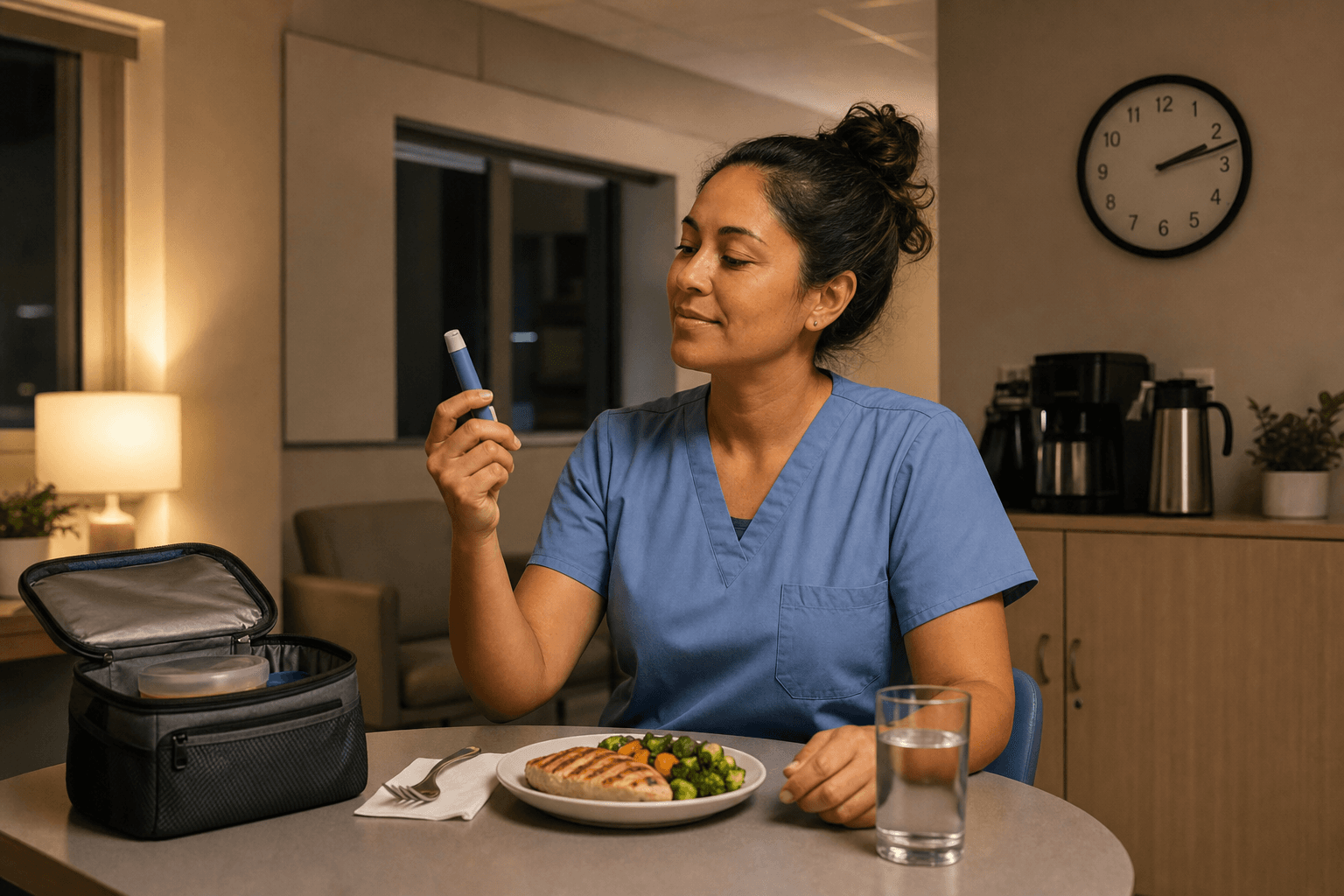
Let it warm up: Remove your pen from the refrigerator 15-30 minutes before injection. Let it sit at room temperature. Room temperature medication stings less than cold medication.
Don't shake it: Shaking creates air bubbles. Air bubbles can cause discomfort. Instead, gently roll the pen between your palms 10 times if mixing is needed.
2. Choose the Right Injection Sites
Rotate your sites: Use different areas each week. This prevents skin damage and reduces discomfort.
Best injection sites include:
- Belly (abdomen) below the ribs and above the hip bone
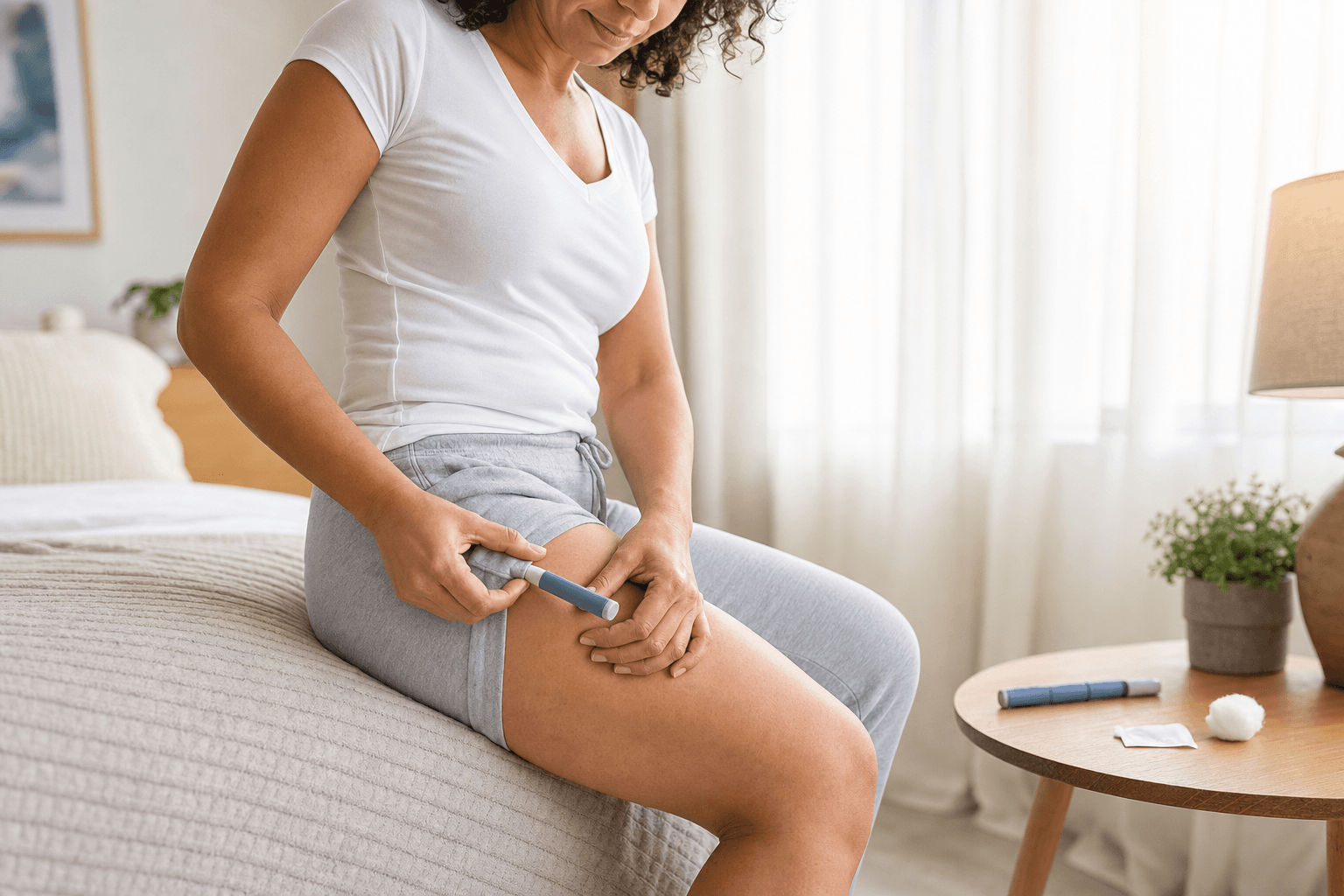
- Outer thigh
- Back of the upper arm (if someone helps you)
Avoid sensitive areas:
- Avoid injecting within 2 inches of your belly button
- Avoid areas with scars, bruises, or stretch marks
- Avoid areas that feel tender or hard
Tip: Your belly is usually least sensitive. Many people find belly injections most comfortable.
3. Numb Your Skin Before Injection
Ice pack method: Apply ice wrapped in a thin cloth to your injection site for 30 seconds. The cold numbs the area. This reduces needle pain significantly.
Numbing cream: Ask your doctor about over-the-counter numbing creams like lidocaine. Apply 10-15 minutes before injection. Let it dry completely.
Distraction method: Some people find that ice works because it distracts the brain from the needle sensation.
4. Perfect Your Injection Technique
Use the right needle depth: GLP-1 pens are designed for subcutaneous injection (under the skin, not into muscle). The needle automatically goes to the correct depth. You don't need to push hard.
Pinch the skin gently: Gently pinch the skin at your injection site. This creates a small fold. Inject into this fold at a 90-degree angle (straight in).
Inject slowly: Don't rush. Slow injections allow the medication to disperse gradually. This feels less uncomfortable than fast injections.
Count to 3: After the needle enters, count slowly to 3 before removing it. This ensures all medication is delivered. Removing too quickly can cause discomfort.
Don't move the needle: Once the needle is in, keep it still. Moving it around increases pain and tissue damage.
5. Manage Injection Anxiety
Practice relaxation: Take slow, deep breaths before injecting. Breathe in for 4 counts, hold for 4, breathe out for 4. Relaxed muscles mean less pain.
Watch something distracting: Look at your phone or TV during injection. Don't watch the needle. Your brain processes pain differently when distracted.
Use positive self-talk: Tell yourself "This is a small needle" and "I'm taking care of my health." Positive thoughts reduce anxiety and pain perception.
Inject at the same time each week: Routine reduces anxiety. Your body expects it. You'll feel calmer over time.
6. Track Your Comfort Progress
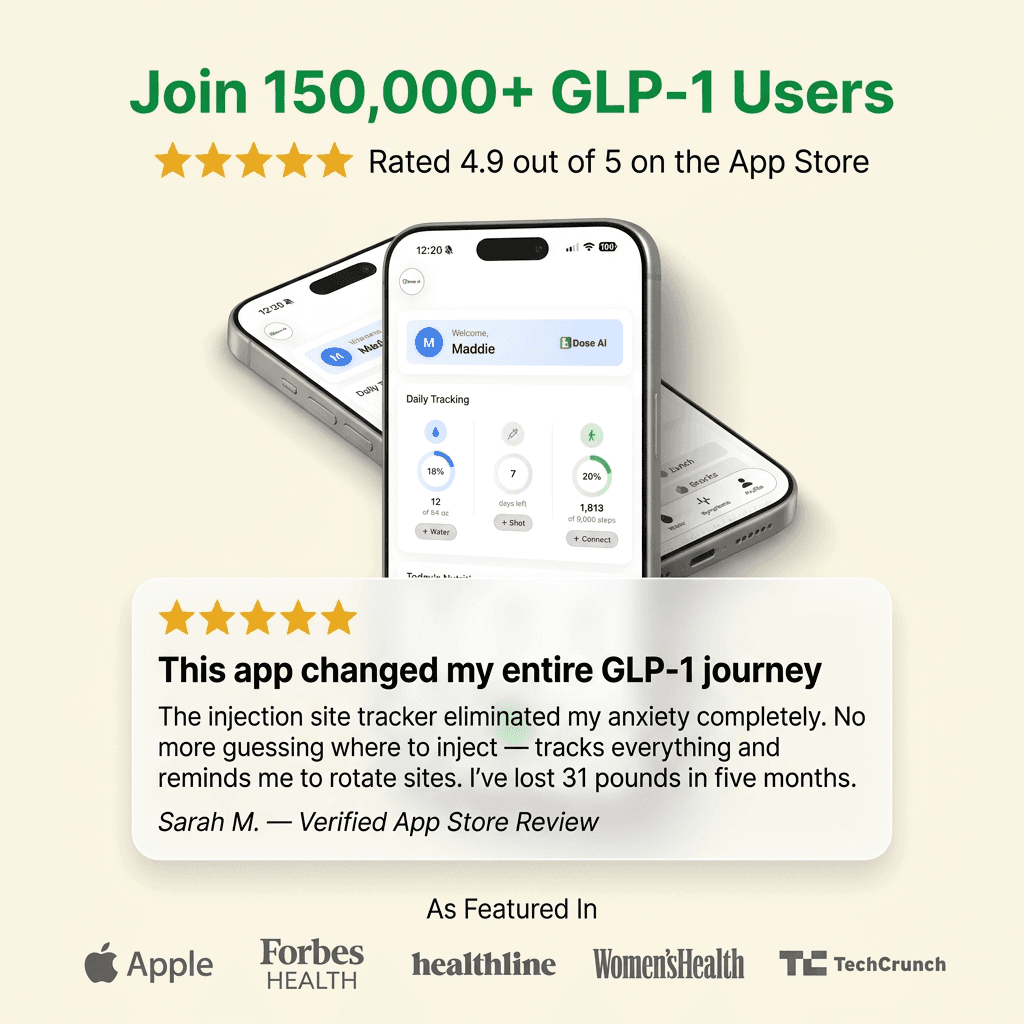
Use the Symptom Tracker in Dose AI to record injection pain each week. Track which sites hurt less. Track which techniques work best for you.
Over time, you'll identify patterns. You'll discover your personal comfort formula.
7. After Your Injection
Don't rub the area: Rubbing can cause bruising and irritation. Let the injection site rest.
Apply ice if needed: If you feel soreness after, apply ice for 10 minutes. This reduces inflammation.
Stay hydrated: Drink plenty of water throughout the day. Hydration supports skin health and reduces side effects. Use the Water Logging feature in Dose AI to track your hydration.
Common Injection Discomfort Issues and Solutions
Bruising
Why it happens: Bruising occurs when the needle damages small blood vessels under the skin.
How to reduce it:
- Rotate injection sites carefully
- Avoid injecting over veins
- Use ice before injection to constrict blood vessels
- Don't rub the area after injection
Burning Sensation During Injection
Why it happens: The medication solution can cause mild burning as it enters tissue.
How to reduce it:
- Warm your medication to room temperature
- Inject slowly
- Ensure you're using proper injection technique
Lumps or Knots Under the Skin
Why it happens: Sometimes medication can form small deposits under the skin. This is usually harmless but uncomfortable.
How to reduce it:
- Rotate sites every week without exception
- Inject into different areas within each site zone
- Ensure you're injecting into the correct layer (subcutaneous)
Persistent Pain or Swelling
When to contact your doctor:
- Pain that lasts more than a few days
- Swelling that gets worse instead of better
- Signs of infection (redness, warmth, pus)
- Numbness or tingling that doesn't improve
What NOT to Do
Don't reuse needles: Always use a fresh needle for each injection. Dull needles hurt more. Reused needles increase infection risk.
Don't inject into muscle: GLP-1 medications are for subcutaneous injection only. Muscle injection causes more pain and affects how the medication works.
Don't skip sites: Injecting in the same spot repeatedly damages tissue. Rotate sites consistently.
Don't inject cold medication: This increases stinging. Always warm your pen first.
Using Dose AI to Improve Comfort
The Shot Logging feature lets you record:
- Which injection site you used
- Any discomfort experienced
- Techniques you tried
Over weeks, you'll see which sites and techniques work best for your body. You'll develop confidence and comfort with your routine.
The Symptom Tracker helps you connect injection pain to other factors. Did pain increase on stressful days? Did it decrease when you warmed your medication? You'll discover your personal patterns.
FAQ: GLP-1 Injection Pain
Q: Is injection pain normal? A: Yes, some people experience mild discomfort. It's usually brief and manageable. If pain is severe, contact your healthcare provider.
Q: Will injection pain decrease over time? A: Yes. Most people report that injections feel easier after the first few weeks. Your body adapts. Your anxiety decreases. Technique improves.
Q: Can I use a numbing cream with my GLP-1 medication? A: Ask your doctor first. Some numbing creams are safe to use. Your doctor can recommend the best option for you.
Q: Does the needle size matter? A: GLP-1 pens use very small needles (31-gauge). The needle size is fixed. You cannot choose a different needle. But the small size means minimal pain for most people.
Q: What should I do if I'm too anxious to inject myself? A: Talk to your doctor or nurse. They can teach proper technique. Many people find that fear decreases with education and practice. Some people have a family member present during injection for support.
Medical Disclaimer
This article provides educational information about GLP-1 injection comfort. It is not medical advice. Do not use this information to diagnose or treat any medical condition.
Always follow your healthcare provider's injection instructions. If you experience severe pain, swelling, infection signs, or other concerns during GLP-1 treatment, contact your doctor immediately.
GLP-1 medications (Ozempic, Mounjaro, Wegovy, Zepbound, tirzepatide) require a prescription and medical supervision. Use only as prescribed by your healthcare provider.
Related Dose AI Resources
- How to Give Yourself a GLP-1 Injection: Step-by-Step Guide
- Managing GLP-1 Side Effects: What to Expect
- GLP-1 Medication Comparison: Ozempic vs. Mounjaro vs. Wegovy
- Tracking Your GLP-1 Progress: Using Dose AI Tools
- Common GLP-1 Questions Answered
Sources
- American Diabetes Association (ADA). Standards of Care in Diabetes. 2024. https://www.diabetes.org
- National Institutes of Health (NIH). GLP-1 Receptor Agonists: Clinical Use and Safety. NCBI PubMed. 2024.
Last Updated: 2024 | Medical Review: Consult your healthcare provider for personalized guidance on GLP-1 injection techniques and pain management.