Can GLP-1 Medications Cause Sleep Problems?
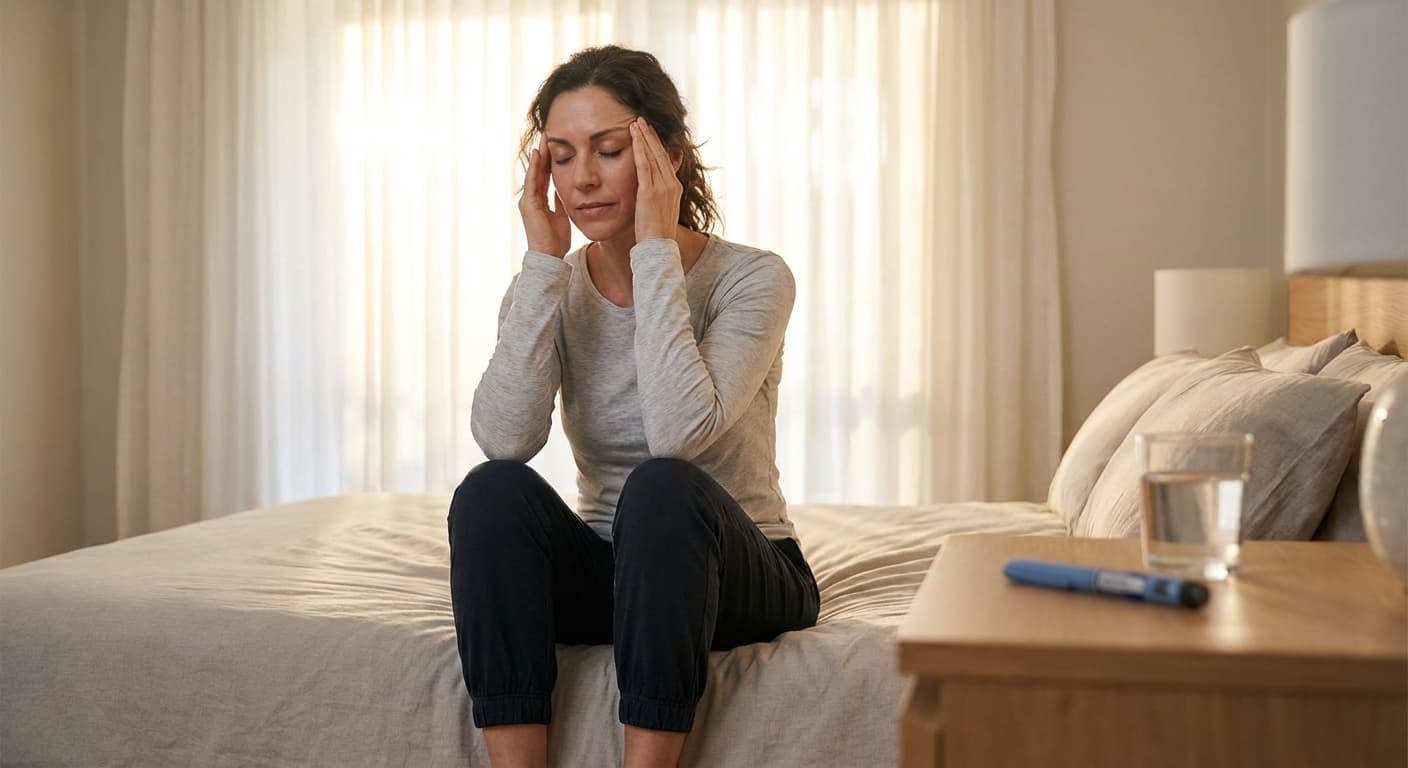
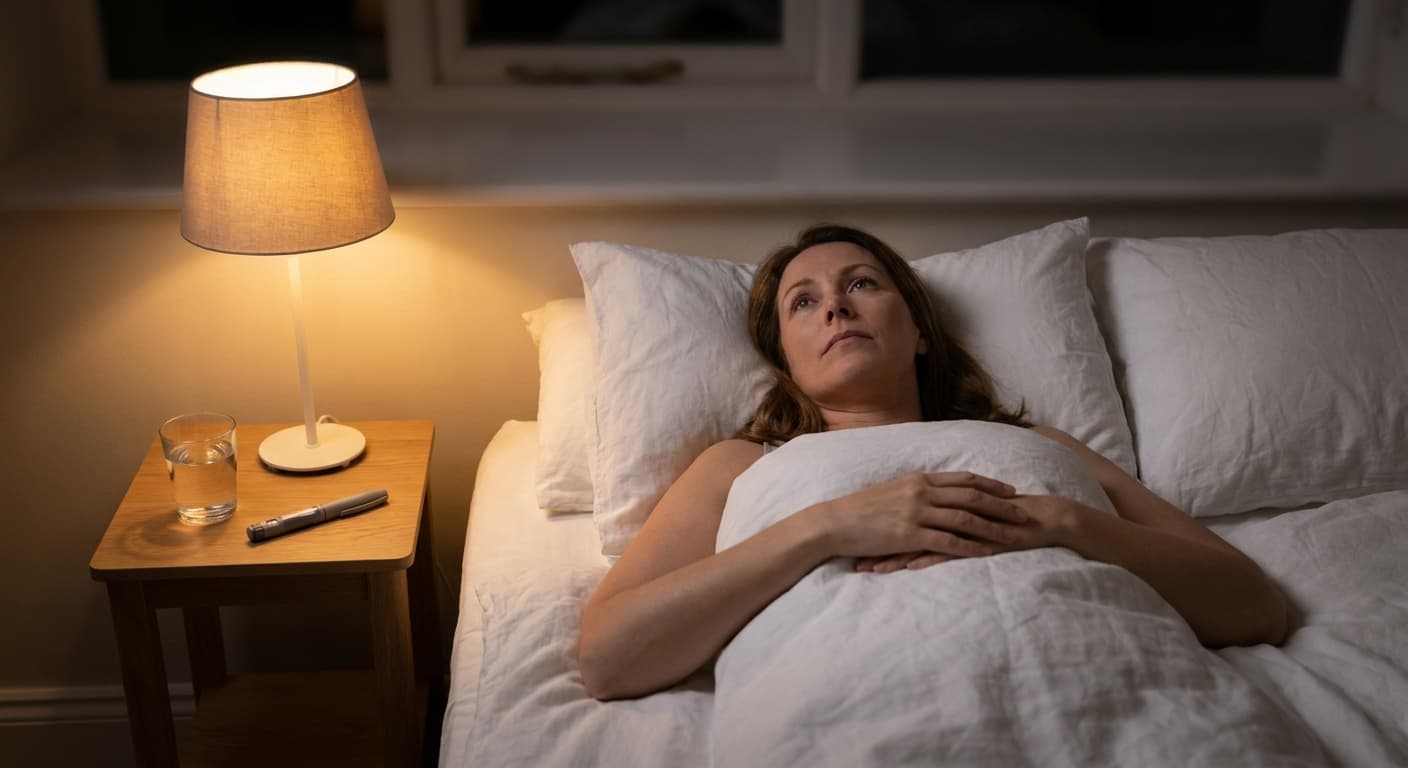
Yes, some people taking GLP-1 medications experience sleep trouble. This includes insomnia, waking up frequently, or feeling restless at night. You're not alone if this happens to you.
GLP-1 receptor agonists like Ozempic, Wegovy, Mounjaro, and Zepbound can affect sleep in different ways. The good news: there are practical steps you can take to sleep better.
Why Do GLP-1 Medications Affect Sleep?
GLP-1 medications work by slowing digestion and affecting how your body processes food. This can create several sleep challenges.
How GLP-1s May Disrupt Sleep:
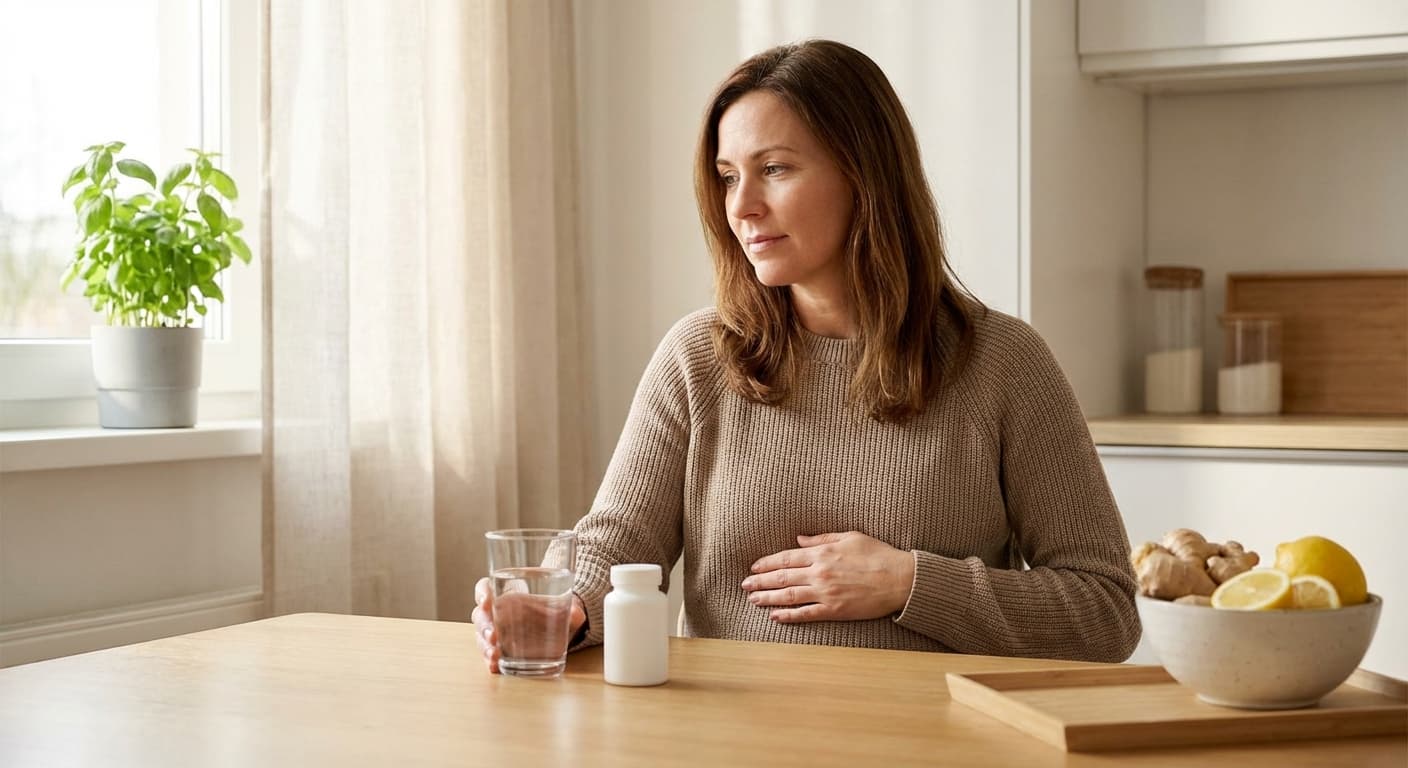
- Nausea and stomach discomfort - Feeling sick makes it hard to relax and fall asleep
- Blood sugar changes - Rapid drops in blood sugar can jolt you awake at night
- Increased energy - Some people feel more energized, especially in the first weeks
- Appetite suppression - Not eating enough calories can cause fatigue and poor sleep quality
- Medication timing - Taking your shot too close to bedtime may affect sleep cycles
- Anxiety or racing thoughts - Adjusting to a new medication can trigger mild anxiety
- Dehydration - Not drinking enough water worsens nausea and sleep quality
Your body is also adjusting to lower food intake and weight loss. This metabolic shift takes time to stabilize.
When Does Sleep Trouble Usually Start?
Sleep problems often happen in the first 2-4 weeks after starting GLP-1 medications. Most people see improvement as their body adapts.
Timeline to Expect:
- Week 1-2: Sleep disruption is most common during this adjustment phase
- Week 3-4: Symptoms often improve as your body gets used to the medication
- Week 5+: Many people report better sleep than before starting GLP-1
If sleep trouble continues past 4-6 weeks, talk to your doctor. There may be other factors at play.
Practical Tips to Sleep Better on GLP-1 Medications
1. Time Your Shot Strategically
When you take your GLP-1 shot matters for sleep quality.
Best Practices:
- Take your shot in the morning or early afternoon if possible
- Avoid injecting within 6-8 hours before bedtime
- If morning shots cause nausea, take it earlier in the day before work
- Keep a consistent injection day and time each week
- Track your shot timing in Dose AI's Shot Logging feature to spot patterns
2. Eat Enough Calories and Protein
Undereating makes sleep worse. Your body needs fuel to rest well.
Nutrition for Better Sleep:
- Aim for at least 1,200-1,500 calories daily (talk to your doctor about your target)
- Eat protein at every meal: chicken, fish, eggs, Greek yogurt, beans
- Include healthy fats: nuts, olive oil, avocado, fatty fish
- Eat your largest meal at lunch, not dinner
- Avoid large meals within 3 hours of bedtime
- Use Dose AI's Food & Macro Logging to track calories and protein intake
3. Stay Hydrated Throughout the Day
Dehydration worsens nausea and sleep quality. Drink water consistently.
Hydration Strategy:
- Drink at least 8-10 glasses of water daily
- Sip water throughout the day instead of drinking large amounts at once
- Drink most water before 6 PM to avoid nighttime bathroom trips
- Log your water intake in Dose AI's Water Logging feature
- Herbal tea (caffeine-free) counts toward hydration
4. Manage Nausea Before Bed
Nausea is a common GLP-1 side effect that disrupts sleep. Reduce it with these steps.
Nausea Relief:
- Eat small, bland meals: toast, crackers, rice, chicken broth
- Avoid greasy, spicy, or heavy foods at dinner
- Ginger tea or ginger candies can help settle your stomach
- Eat slowly and chew thoroughly
- Take an antacid if approved by your doctor
- Use Dose AI's Symptom Tracker to log nausea patterns and identify triggers
5. Create a Consistent Sleep Schedule
Your body thrives on routine. Consistent sleep times help your body adjust to GLP-1.
Sleep Routine Tips:
- Go to bed at the same time every night, even on weekends
- Wake up at the same time each morning
- Aim for 7-9 hours of sleep per night
- Start winding down 30 minutes before bed
- Keep your bedroom cool, dark, and quiet
6. Avoid Caffeine and Stimulants
Caffeine can worsen sleep trouble when taking GLP-1 medications.
Caffeine Guidelines:
- Limit coffee, tea, and energy drinks to morning only
- Avoid caffeine after 2 PM
- Check medications and supplements for hidden caffeine
- Switch to decaf or herbal tea in the afternoon
7. Manage Blood Sugar Levels
Blood sugar crashes at night can wake you up. Stable blood sugar supports better sleep.
Blood Sugar Support:
- Eat balanced meals with protein, healthy fats, and fiber
- Avoid sugary snacks and refined carbs
- Include complex carbs: whole grains, sweet potatoes, oats
- Eat a small snack 2 hours before bed if you're hungry (cheese, nuts, or yogurt)
8. Reduce Stress and Anxiety
Stress and anxiety are common when adjusting to new medications. Both disrupt sleep.
Stress Management:
- Practice deep breathing: inhale for 4 counts, hold for 4, exhale for 4
- Try meditation or guided relaxation apps
- Gentle yoga or stretching before bed
- Journaling to process thoughts and concerns
- Limit screen time 1 hour before sleep (blue light disrupts sleep hormones)
9. Move Your Body During the Day
Exercise improves sleep quality. But timing matters.
Exercise for Better Sleep:
- Aim for 150 minutes of moderate activity per week (walking, swimming, cycling)
- Exercise earlier in the day, not close to bedtime
- Avoid intense workouts within 3-4 hours of sleep
- Even a 20-minute walk in the morning helps
- Track your activity in Dose AI's Progress Tracker
10. Adjust Your Bedroom Environment
Your sleep space affects sleep quality significantly.
Bedroom Optimization:
- Keep room temperature between 60-67 degrees Fahrenheit
- Use blackout curtains or an eye mask
- Use white noise or earplugs if needed
- Remove phones and screens from your bed
- Keep your bed for sleep only, not work or scrolling
When Should You Contact Your Doctor?
Sleep trouble from GLP-1 usually improves within weeks. But reach out to your healthcare provider if:
- Insomnia continues beyond 6-8 weeks
- Sleep trouble is severe and affecting daily life
- You're having nightmares or night sweats
- You feel extremely fatigued during the day
- Sleep problems started suddenly after weeks of feeling fine
- You're considering stopping your medication
Your doctor may adjust your dose, change your injection timing, or recommend sleep aids.
Track Your Sleep Patterns
Understanding your sleep patterns helps you and your doctor find solutions.
What to Track:
- What time you took your GLP-1 shot
- What and when you ate dinner
- How much water you drank
- Your sleep time and quality (use Dose AI's Symptom Tracker)
- Any nausea or stomach discomfort
- Stress level and mood
- Exercise timing and intensity
Over time, patterns will emerge. You'll notice which habits help or hurt your sleep.
How Dose AI Can Help
Dose AI's tools support better sleep on GLP-1 medications:
- Shot Logging: Track injection timing to see how it affects your sleep
- Water Logging: Monitor hydration to reduce nausea and improve rest
- Food & Macro Logging: Log meals by photo to ensure you're eating enough calories
- Symptom Tracker: Record nausea, fatigue, and sleep quality to reveal patterns
- Progress Tracker: Log sleep quality alongside weight and mood changes
Using these tools helps you identify what works for YOUR body.
FAQ: Sleep Problems and GLP-1 Medications
Q: How long does GLP-1 insomnia last? A: Most people see improvement within 2-4 weeks as their body adjusts. If sleep trouble continues beyond 6-8 weeks, talk to your doctor about other solutions.
Q: Can I take a sleep aid while on GLP-1 medication? A: Talk to your doctor before taking any sleep medication or supplement. Some may interact with GLP-1 drugs. Your doctor can recommend safe options for you.
Q: Does GLP-1 cause sleep apnea? A: GLP-1 medications don't cause sleep apnea. However, weight loss can sometimes improve sleep apnea symptoms if you already have it. If you snore heavily or stop breathing during sleep, tell your doctor.
Q: Will better sleep help my weight loss on GLP-1? A: Yes. Good sleep supports weight loss by regulating hunger hormones and reducing stress. Poor sleep can slow weight loss progress and increase cravings.
Q: Should I stop taking my GLP-1 if I can't sleep? A: Don't stop your medication without talking to your doctor. Sleep trouble is usually temporary and manageable. Your doctor can help you find solutions or adjust your dose if needed.
Related Dose AI Articles
- How to Manage GLP-1 Nausea and Stomach Issues
- Best Foods to Eat on GLP-1 Medications
- GLP-1 Medication Guide: Ozempic, Mounjaro, and Wegovy Explained
- Exercise and Fitness Tips for GLP-1 Users
- Managing Anxiety While Taking GLP-1 Medications
Medical Disclaimer
This article is for educational purposes only and is not medical advice. GLP-1 medications (including tirzepatide, semaglutide, and other GLP-1 receptor agonists) affect everyone differently.
Sleep trouble can have many causes. Always talk to your healthcare provider before making changes to your medication, sleep habits, or health routine.
If you experience severe insomnia, extreme fatigue, or other concerning symptoms, contact your doctor immediately.
This content is current as of 2024-2025 and reflects FDA-approved uses of GLP-1 medications. Always follow your doctor's specific guidance for your individual health situation.
Sources:
- National Institutes of Health (NIH) - Sleep and Metabolic Health: https://www.ncbi.nlm.nih.gov/
- American Diabetes Association (ADA) - GLP-1 Receptor Agonists and Sleep Quality Research