
Does Zepbound Cause Headaches? What Helps and When to Worry?
Understanding Zepbound and Headaches
Yes, headaches are a known side effect of Zepbound. Zepbound is a GLP-1 receptor agonist made by Eli Lilly. It was FDA approved in 2023 for weight loss in adults.
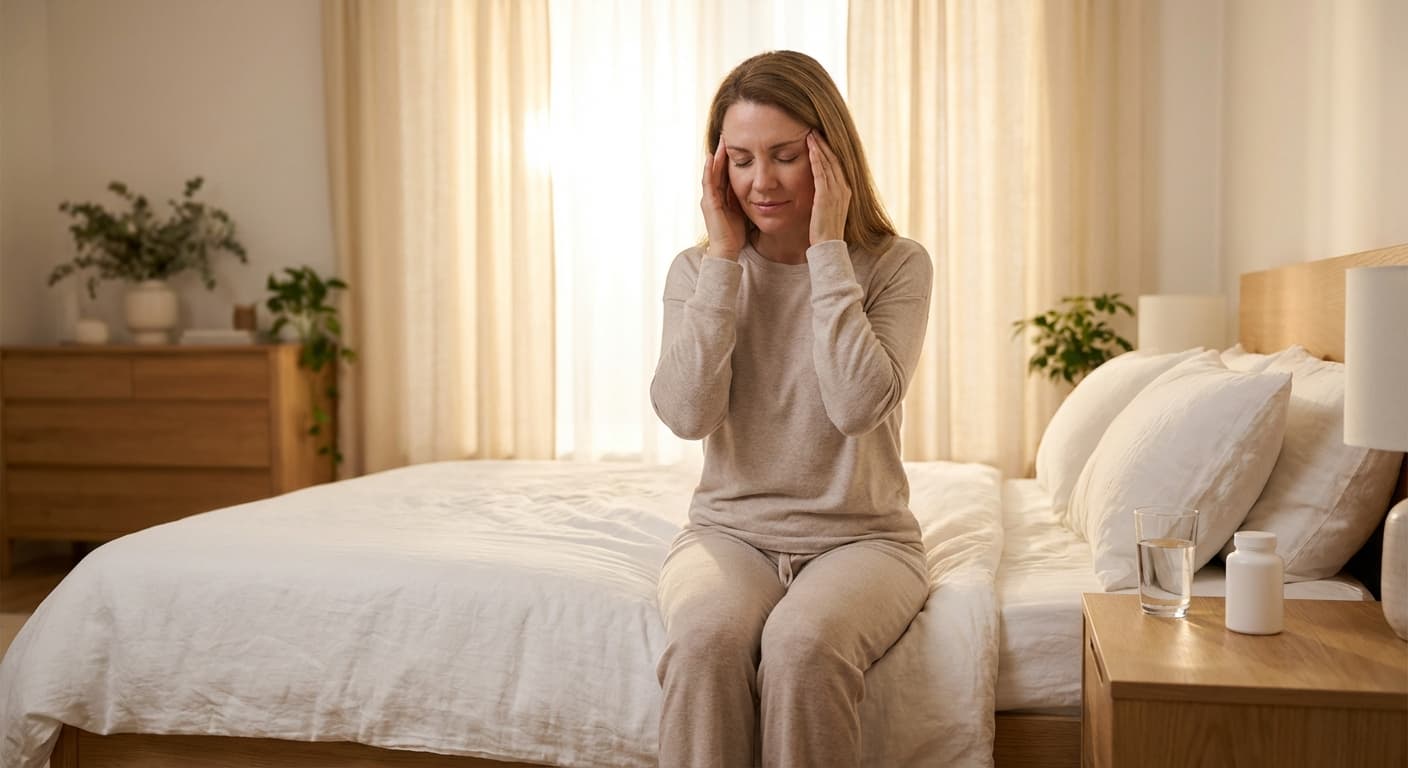
Headaches happen in some people taking Zepbound. They're usually mild to moderate. Most headaches improve within a few weeks as your body adjusts to the medication.
Understanding why they happen helps you manage them better. It also helps you know when to reach out to your doctor.
Why Does Zepbound Cause Headaches?
Headaches from Zepbound happen for several reasons:
Dehydration Zepbound can cause nausea and reduced appetite. When you eat and drink less, dehydration follows. Dehydration is one of the most common headache triggers.
Blood Sugar Changes Zepbound works by controlling blood sugar levels. This change in how your body processes glucose can trigger headaches. Your brain adjusts to these new patterns over time.
Medication Adjustment Period Your body needs time to adapt to any new medication. Headaches during the first 1-2 weeks are common. This is your nervous system adjusting to how Zepbound works.
Nausea and Digestive Changes Zepbound often causes nausea, especially at higher doses. Nausea and headaches frequently occur together. When your stomach is upset, your whole body feels off.
Dose Escalation Zepbound dosing starts low and increases gradually. Headaches may worsen when you move to a higher dose. This usually settles down within a few days.
What Helps Zepbound-Related Headaches?
Hydration is Your First Step
Drink more water throughout the day. Aim for at least 8-10 glasses daily, or more if you can.
Use Dose AI's Water Logging feature to track your daily intake. Staying hydrated prevents many Zepbound headaches before they start.
How to drink more without nausea:
- Sip small amounts frequently (2-3 ounces every 15 minutes)
- Try room temperature or slightly warm water
- Add a pinch of salt or electrolyte powder for better absorption
- Avoid ice-cold water, which can worsen nausea
Eat Small, Frequent Meals
Low blood sugar contributes to headaches. Zepbound reduces your appetite, but you still need fuel.
Eat small portions every 2-3 hours. Focus on protein and healthy fats, which keep blood sugar steady.
Easy protein snacks:
- Greek yogurt
- Hard-boiled eggs
- Cheese and nuts
- Lean deli meat
Rest in a Quiet, Dark Space
When a headache starts, lie down in a dark room. Close the curtains and silence your phone.
Rest for 15-30 minutes. This simple step stops many mild headaches from getting worse.
Over-the-Counter Pain Relief
Acetaminophen (Tylenol) or ibuprofen (Advil, Motrin) can help. Use the lowest effective dose.
Ask your doctor or pharmacist which option is best for you. Some people respond better to one than the other.
Important: Don't take pain relievers more than 2-3 days per week. Overuse can actually cause more headaches.
Apply Heat or Cold
A heating pad on your neck and shoulders helps tension headaches. An ice pack on your forehead helps throbbing headaches.
Experiment to see which feels better. Apply for 15-20 minutes at a time.
Track Your Patterns
Use Dose AI's Symptom Tracker to log when headaches happen. Note the time, intensity, and what you were doing.
Look for patterns. Are headaches worse after your shot? Do they happen when you skip meals? Understanding your patterns helps you prevent them.
When Should You Worry About Headaches?
Most Zepbound headaches are mild and temporary. But some headaches need medical attention.
Contact your doctor if you experience:
- Severe headaches that don't improve with rest or pain relievers
- Headaches that get worse over time instead of improving
- Headaches with fever, stiff neck, or confusion
- Vision changes, weakness, or numbness with your headache
- Headaches that are different from any you've had before
- Headaches that happen every single day for more than a week
- Headaches that interfere with work, school, or daily activities
These symptoms could signal something other than a medication side effect. Your doctor needs to evaluate them.
How Long Do Zepbound Headaches Last?
Most headaches from Zepbound improve within 1-4 weeks. Your body adapts to the medication over time.
Headaches may return briefly when you increase your dose. They usually settle within a few days.
If headaches persist beyond 4 weeks, talk to your doctor. You may need to adjust your dose or try a different approach.
Tips for Managing Headaches Long-Term
Stick to Your Dose Schedule
Take Zepbound on the same day each week. Consistency helps your body adjust faster. Irregular dosing can trigger more headaches.
Maintain Steady Eating Habits
Don't skip meals, even though Zepbound reduces appetite. Eat regular small meals to keep blood sugar stable.
Use Dose AI's Food & Macro Logging feature. Track meals by photo and see your nutrition patterns. The AI analyzes your macros to ensure you're getting enough fuel.
Stay Consistent with Hydration
Make water drinking a habit. Keep a water bottle with you at all times.
Set phone reminders to drink every hour. This becomes automatic over time.
Limit Caffeine and Alcohol
Caffeine can worsen headaches in some people. Alcohol dehydrates you further.
If you drink coffee, keep it to one cup daily. Skip alcohol during your first few weeks on Zepbound.
Sleep Well
Poor sleep makes headaches worse. Aim for 7-9 hours per night.
Zepbound can sometimes cause sleep changes. If insomnia is a problem, talk to your doctor.
Manage Stress
Stress and tension trigger headaches. Practice relaxation techniques daily.
Try deep breathing, meditation, or gentle stretching. Even 5-10 minutes helps.
What If Headaches Don't Improve?
Talk to your doctor if headaches continue beyond 4 weeks. You have options:
Dose adjustment: Your doctor may lower your dose temporarily. You can restart at a slower pace.
Different medication: Other GLP-1 options exist. Ozempic, Mounjaro, or Wegovy might cause fewer headaches for you.
Additional support: Your doctor may recommend preventive headache medication. This is safe to use alongside Zepbound.
Referral to a specialist: If headaches are severe, your doctor may refer you to a neurologist. They specialize in headache disorders.
Don't stop taking Zepbound on your own. Always talk to your doctor before making changes.
Using Dose AI to Manage Your Symptoms
Dose AI's tools help you track and understand your headaches better.
Shot Logging: Record when and where you took your Zepbound injection. Link this to your headache patterns.
Symptom Tracker: Log daily headaches with details. Note severity (mild, moderate, severe), time of day, and what you were doing.
Water Logging: Track hydration throughout the day. See how water intake relates to headache frequency.
Food & Macro Logging: Track meals by taking photos. The AI analyzes your nutrition. Ensure you're eating enough to prevent low blood sugar headaches.
Progress Tracker: Log weight and photos. Celebrate progress while managing side effects.
Over time, these logs reveal what triggers your headaches. You'll know exactly what helps you personally.
Frequently Asked Questions
Q: Are Zepbound headaches dangerous? A: Most Zepbound headaches are mild and not dangerous. They're a normal adjustment side effect. Severe headaches or headaches with other symptoms need medical evaluation.
Q: How quickly do Zepbound headaches go away? A: Most headaches improve within 1-4 weeks. Some people feel better within days. If headaches persist beyond 4 weeks, contact your doctor.
Q: Can I take my regular headache medication with Zepbound? A: Yes, over-the-counter pain relievers are generally safe with Zepbound. Ask your pharmacist to confirm there are no interactions with your other medications.
Q: Do all Zepbound doses cause headaches? A: No. Some people experience headaches, others don't. Headaches are more common at higher doses or during dose increases.
Q: Should I stop taking Zepbound if I get headaches? A: Don't stop on your own. Talk to your doctor first. Most headaches improve with time and management strategies. Stopping may not be necessary.
Q: What's the difference between Zepbound and other GLP-1 medications? A: Zepbound contains tirzepatide, made by Eli Lilly. Other GLP-1 receptor agonists like Ozempic and Wegovy contain semaglutide. All can cause headaches, but individual responses vary. Your doctor can help you find the best fit.
Related Dose AI Blog Articles
- How to Manage Nausea on Zepbound: Proven Strategies
- Zepbound vs. Ozempic: Which Is Right for You?
- Staying Hydrated on GLP-1 Medications: A Complete Guide
- GLP-1 Side Effects Timeline: What to Expect Week by Week
Medical Disclaimer
This article is for educational purposes only and does not replace professional medical advice. Headaches can have many causes. Always consult your doctor or healthcare provider before starting, stopping, or changing any medication.
If you experience severe headaches, vision changes, weakness, numbness, fever, or other concerning symptoms, seek immediate medical attention.
Never adjust your Zepbound dose without talking to your doctor first.
Sources:
- FDA Approval of Zepbound (tirzepatide): https://www.fda.gov/news-events/press-announcements/fda-approves-zepbound-weight-management
- National Institutes of Health - GLP-1 Receptor Agonists and Side Effects: https://www.ncbi.nlm.nih.gov/pubmed/