Can Ozempic or Wegovy Cause Vision Changes?
Vision changes can be scary when you're taking a new medication. The good news? Vision problems from Ozempic or Wegovy are uncommon. But it's smart to know what to watch for and when to call your doctor.
What Do We Know About GLP-1 Medications and Vision?
Ozempic and Wegovy are semaglutide medications. They work by mimicking a natural hormone called GLP-1 (glucagon-like peptide-1). These drugs help control blood sugar and reduce appetite.
Vision changes are not listed as common side effects in clinical trials. However, some people taking GLP-1 medications report minor eye issues. These are usually temporary and mild.
What Vision Changes Might Occur?
If you experience vision changes on Ozempic or Wegovy, they may include:
- Blurred vision - Objects look fuzzy or out of focus
- Floaters - Small spots or lines drifting across your vision
- Dry eyes - Eyes feel scratchy or uncomfortable
- Difficulty focusing - Hard time adjusting focus from near to far
- Mild eye strain - Tired eyes after reading or screen time
Most of these changes are temporary. They often improve within days or weeks as your body adjusts to the medication.
Why Might Vision Changes Happen?
Several factors could explain vision changes on GLP-1 medications:
Rapid weight loss: Quick weight changes can affect the shape of your eye. This temporarily changes how light focuses on your retina. Your vision may blur until your eye stabilizes.
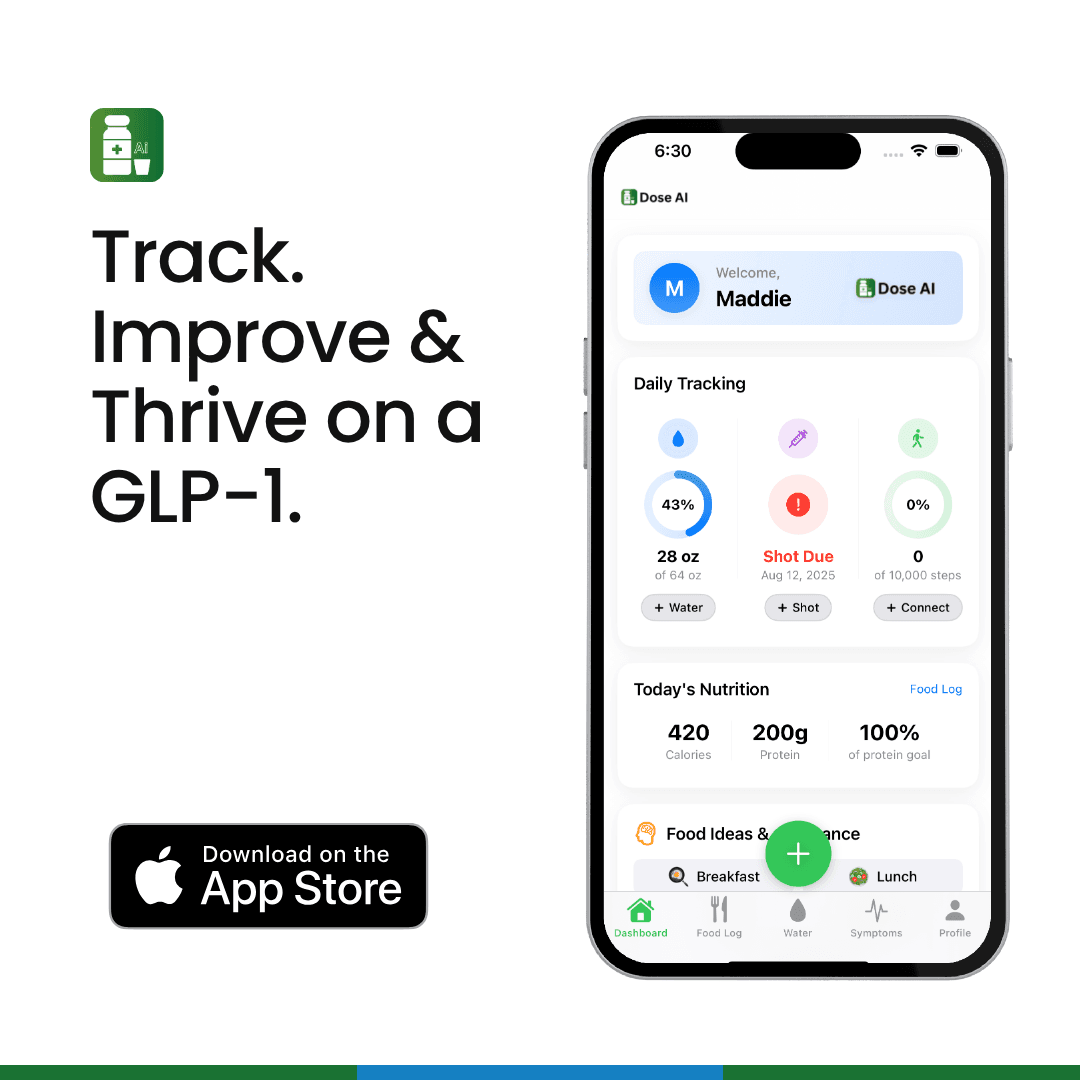
Dehydration: GLP-1 medications can reduce appetite, including thirst signals. Dehydration makes dry eyes worse. Track your water intake using Dose AI's Water Logging feature to stay hydrated.
Blood sugar changes: If you have diabetes, rapid improvements in blood sugar control can cause temporary vision shifts. This is usually not serious.
Medication adjustment: Your body needs time to adapt to new medications. Vision changes often settle down after a few weeks.
When Should You Call Your Doctor?
Most vision changes are harmless. But some require immediate attention. Contact your healthcare provider if you experience:
- Sudden vision loss in one or both eyes
- Severe blurred vision that doesn't improve after a few hours
- Eye pain or pressure in the eye
- Flashing lights or a sudden increase in floaters
- A dark shadow or curtain moving across your vision
- Double vision that's new or worsening
- Loss of peripheral vision (side vision)
- Halos or rainbow colors around lights
These symptoms could indicate serious eye conditions. They need professional evaluation right away.
What Should You Do if You Notice Vision Changes?
Step 1: Don't panic. Most vision changes are temporary and minor.
Step 2: Track your symptoms. Use Dose AI's Symptom Tracker to record when vision changes occur. Note:
- What time of day they happen
- How long they last
- What you were doing when they started
- Any other symptoms happening at the same time
Step 3: Check your hydration. Drink water throughout the day. Aim for 8-10 glasses daily. Log your water intake to make sure you're getting enough.
Step 4: Give it time. Many vision changes resolve within 1-2 weeks as your body adjusts.
Step 5: Contact your doctor if:
- Vision changes don't improve after 2 weeks
- They get worse instead of better
- You have any of the warning signs listed above
- You feel worried or uncomfortable
Important: Schedule an Eye Exam
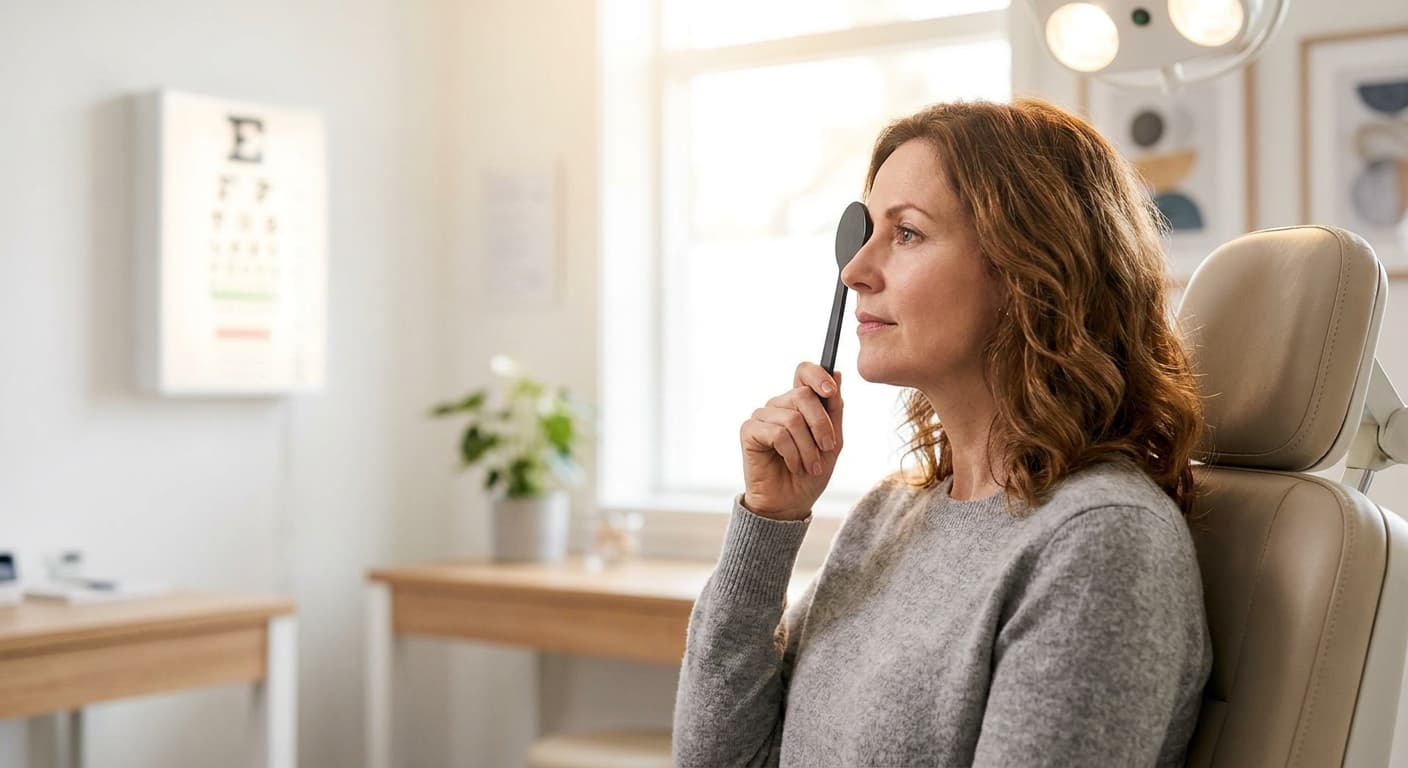
If you're taking Ozempic or Wegovy and experiencing vision changes, schedule an eye appointment. Your eye doctor can:
- Check your eye health
- Measure your vision
- Look for any eye conditions
- Rule out serious problems
- Provide relief for dry eyes
This is especially important if you have diabetes. Diabetes can affect eye health. Your eye doctor needs to know you're on a GLP-1 medication.
How to Manage Minor Vision Changes
While you wait for your vision to stabilize, try these tips:
For dry eyes:
- Use artificial tear drops (ask your pharmacist which ones are safe)
- Blink more often, especially when using screens
- Take breaks from reading or computer work every 20 minutes
- Use a humidifier in your bedroom at night
For general eye comfort:
- Wear sunglasses outdoors to reduce glare
- Adjust screen brightness on phones and computers
- Avoid rubbing your eyes
- Get enough sleep to help your eyes rest
Stay hydrated:
- Drink water consistently throughout the day
- Avoid excess caffeine, which can dehydrate you
- Eat water-rich foods like cucumbers, watermelon, and lettuce
- Use Dose AI's Water Logging to track daily hydration
Track your overall health:
- Log your meals using Dose AI's Food & Macro Logging to ensure good nutrition
- Record your weight and take progress photos with Dose AI's Progress Tracker
- Monitor other symptoms to spot patterns
Is It Safe to Keep Taking Ozempic or Wegovy?
Vision changes alone are not a reason to stop taking your medication. However, serious vision problems are a reason to contact your doctor immediately.
Do not stop taking Ozempic or Wegovy without talking to your healthcare provider. Stopping suddenly can affect your blood sugar or weight management goals.
Your doctor can help you decide the best next step. Options may include:
- Continuing the medication while monitoring your vision
- Adjusting your dose
- Switching to a different medication
- Investigating other causes of vision changes
Special Considerations for People with Diabetes
If you have diabetes, be extra alert to vision changes. Diabetes already affects eye health. GLP-1 medications improve blood sugar control, which is good for your eyes long-term.
However, rapid blood sugar improvement can cause temporary vision shifts. This is usually not harmful, but it needs monitoring.
Talk to both your doctor and your eye doctor. They can work together to keep your eyes healthy while you benefit from GLP-1 treatment.
The Bottom Line
Vision changes from Ozempic or Wegovy are uncommon and usually temporary. Most people don't experience any eye problems at all.
If you do notice vision changes:
- Stay calm and track your symptoms
- Increase your water intake
- Schedule an eye exam
- Contact your doctor if changes are severe or don't improve
- Don't stop your medication without medical guidance
Your eye health matters. Taking it seriously while staying on a medication that helps you is the right balance.
Frequently Asked Questions
Q: How long do vision changes last with GLP-1 medications?
A: Most vision changes resolve within 1-2 weeks as your body adjusts. Some people notice improvement within a few days. If changes persist beyond 3 weeks or worsen, contact your doctor.
Q: Can I wear contact lenses while taking Ozempic or Wegovy?
A: Yes, most people can wear contacts safely. However, if you experience dry eyes or vision changes, temporary contact lens discomfort is possible. Glasses may be more comfortable during adjustment. Ask your eye doctor if you're unsure.
Q: Does rapid weight loss from GLP-1 medications always cause vision changes?
A: No. Most people lose weight on Ozempic or Wegovy without any vision problems. Vision changes are uncommon. If they do happen, they're usually mild and temporary.
Q: Should I get an eye prescription change while taking GLP-1 medications?
A: Wait at least 1-2 months after starting or changing doses before getting a new eye prescription. Your vision may shift during this adjustment period. Getting glasses or contacts fitted too early might not work well once your vision stabilizes.
Q: What's the difference between normal vision changes and an eye emergency?
A: Normal changes: mild blurring, slight dryness, minor floaters. Eye emergencies: sudden vision loss, eye pain, flashing lights, dark shadows, double vision. Call your doctor or seek emergency care for emergency symptoms immediately.
Medical Disclaimer
This article is for educational purposes only and does not replace professional medical advice. Vision changes can have many causes. Always consult your healthcare provider or eye doctor before making decisions about your medication.
If you experience sudden vision loss, severe eye pain, or other serious symptoms, seek immediate medical attention or call 911.
Related Dose AI Resources
- Symptom Tracker: Record vision changes and other symptoms to identify patterns
- Water Logging: Track hydration to help manage dry eyes
- Progress Tracker: Monitor your overall health journey while on GLP-1 medications
- Food & Macro Logging: Ensure proper nutrition to support eye health
Sources
- National Eye Institute (NEI): Vision and Diabetes. https://www.nei.nih.gov/
- FDA: Ozempic (semaglutide) Prescribing Information. https://www.fda.gov/
Have questions about vision changes or other GLP-1 side effects? Talk to your doctor or eye care professional. They know your health history best.