
Can GLP-1 Medications Raise Your Resting Heart Rate?
What the Research Shows
Yes, some people taking GLP-1 medications experience an increase in resting heart rate. This is an important side effect to understand and monitor.
Recent studies show that GLP-1 receptor agonists like semaglutide (Ozempic, Wegovy) and tirzepatide (Mounjaro, Zepbound) can raise heart rate in certain patients. The increase is usually modest, ranging from 2-5 beats per minute in most cases.
A 2023 study published in the journal Circulation found that some GLP-1 users experienced elevated resting heart rates. However, the same study showed that weight loss benefits often outweighed this concern for most people.
Why Does This Happen?
GLP-1 receptor agonists work by activating specific receptors in your body. These receptors are found in your digestive system, brain, and cardiovascular system.
When GLP-1 medications activate these receptors, several things occur:
- Your appetite decreases significantly
- Your body processes food differently
- Your metabolism shifts
- Your nervous system may become more active
This nervous system activation can cause your heart to beat faster. It's similar to what happens when you're mildly stressed or caffeinated.
Additionally, rapid weight loss itself can temporarily increase resting heart rate. Your heart works harder during this adjustment period as your body adapts to carrying less weight.
Who Is at Higher Risk?
Not everyone on GLP-1 medications experiences increased heart rate. Your risk factors include:
- Existing heart conditions or arrhythmias
- History of high blood pressure
- Anxiety or panic disorder
- Sensitivity to stimulating medications
- Rapid weight loss (more than 2-3 pounds per week)
- Dehydration or electrolyte imbalances
- Caffeine sensitivity
If you have any of these risk factors, talk with your doctor before starting a GLP-1 medication.
What Does "Resting Heart Rate" Mean?
Your resting heart rate is how many times your heart beats per minute when you're calm and not exercising. A normal resting heart rate for adults is 60-100 beats per minute.
Athletes and very fit people often have lower resting heart rates (50-60 bpm). This is healthy and normal.
If your resting heart rate climbs above your personal baseline, that's worth monitoring.
How to Monitor Your Heart Rate
Tracking your resting heart rate helps you spot changes early. Here's how:
Best time to measure:
- Immediately after waking up, before getting out of bed
- When you're calm and haven't exercised recently
- At the same time each day for consistency
How to check your pulse:
- Place two fingers (index and middle) on the inside of your wrist
- Find your pulse below the thumb
- Count beats for 60 seconds (or 15 seconds and multiply by 4)
- Record the number
Use technology:
- Smartwatches and fitness trackers measure resting heart rate automatically
- Many smartphones have built-in heart rate sensors
- Blood pressure monitors often include heart rate readings
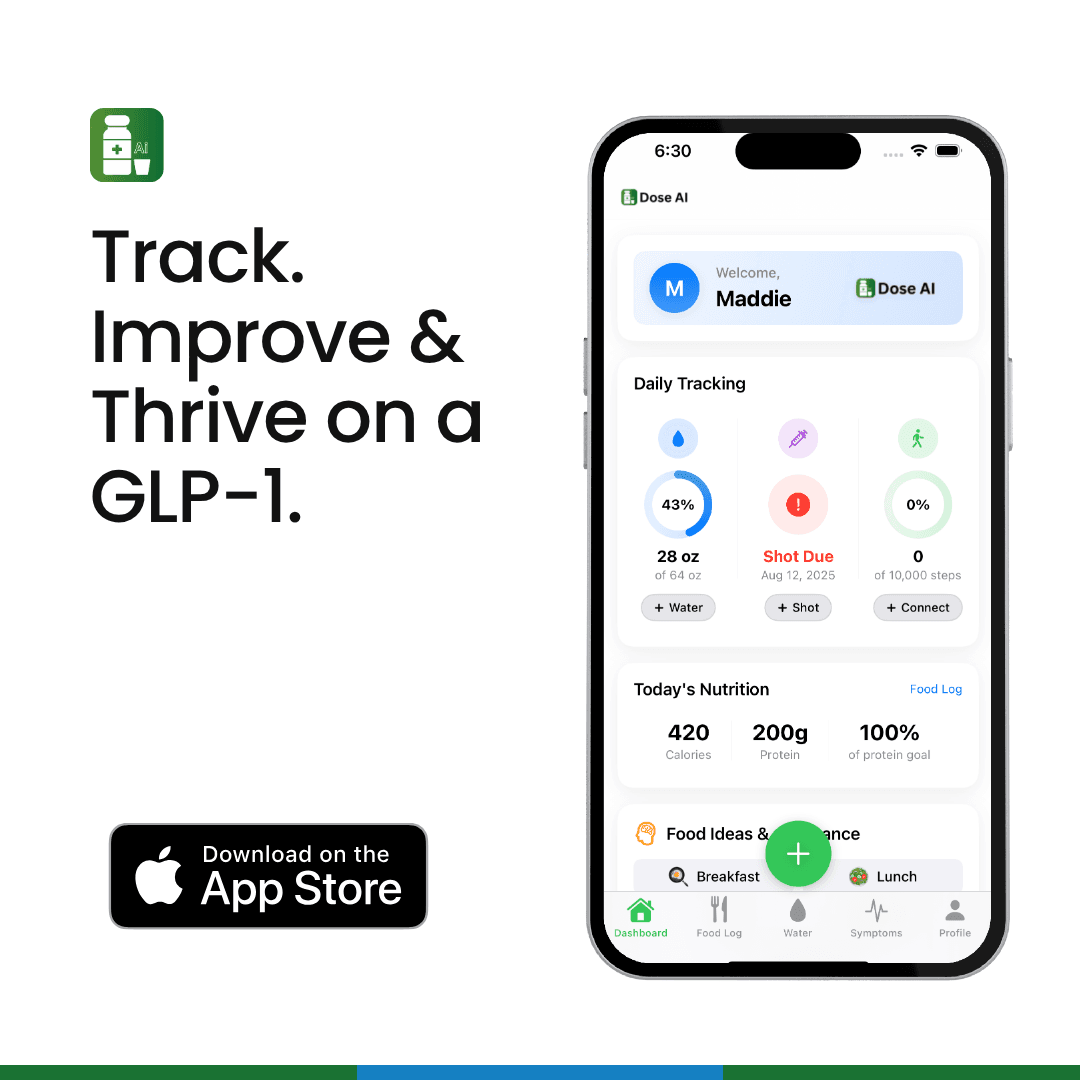
Use Dose AI's Symptom Tracker to log your daily heart rate readings. This helps you identify patterns and share data with your doctor.
When Should You Worry?
Contact your doctor if you experience:
- Resting heart rate increase of more than 10-15 beats per minute from your baseline
- Heart palpitations (feeling your heart racing or skipping beats)
- Dizziness or lightheadedness
- Shortness of breath at rest
- Chest pain or pressure
- Fainting or near-fainting episodes
- Heart rate that doesn't return to normal after activity
These symptoms warrant medical evaluation. Don't ignore them.
What Can You Do About It?
If you notice a modest increase in resting heart rate, try these strategies:
Stay hydrated:
- Drink 8-10 glasses of water daily
- Dehydration raises heart rate
- Use Dose AI's Water Logging feature to track daily intake
Manage electrolytes:
- Eat foods rich in potassium: bananas, spinach, sweet potatoes
- Include magnesium sources: almonds, pumpkin seeds, dark chocolate
- Maintain sodium balance (don't cut it out completely)
Reduce caffeine:
- Limit coffee, tea, and energy drinks
- Caffeine combined with GLP-1 effects can increase heart rate more
- Gradually reduce caffeine to avoid withdrawal headaches
Practice relaxation techniques:
- Deep breathing exercises (try 4-7-8 breathing)
- Meditation or mindfulness
- Progressive muscle relaxation
- Yoga or gentle stretching
Maintain consistent sleep:
- Aim for 7-9 hours nightly
- Poor sleep increases resting heart rate
- Stick to a regular sleep schedule
Avoid rapid weight loss:
- Aim for 1-2 pounds per week
- Faster weight loss stresses your cardiovascular system
- Work with your doctor on a sustainable pace
Log your meals and symptoms:
- Use Dose AI's Food & Macro Logging to track what you eat
- Note when your heart rate is elevated
- Identify patterns (certain foods, stress levels, activity)
The Bigger Picture: Heart Health and GLP-1s
Here's important context: GLP-1 medications have significant cardiovascular benefits overall. Studies show they reduce heart disease risk and improve heart health in many people.
A landmark 2023 cardiovascular outcomes trial showed that semaglutide reduced major heart events by 20% in people with obesity and existing heart disease.
The modest increase in resting heart rate in some users doesn't erase these benefits. However, it's still worth monitoring and discussing with your healthcare provider.
Should You Stop Your Medication?
Don't stop taking your GLP-1 medication without talking to your doctor first. Stopping suddenly can cause:
- Blood sugar spikes (if you have diabetes)
- Rapid weight regain
- Loss of metabolic improvements
Instead, contact your doctor if you're concerned. Together, you can:
- Adjust your dose
- Switch to a different GLP-1 medication
- Implement lifestyle changes to manage heart rate
- Monitor more closely with additional testing
Your doctor may recommend an EKG or heart rate monitoring to ensure everything is safe.
Frequently Asked Questions
Q: Is a higher resting heart rate dangerous on GLP-1 medications?
A: A modest increase (2-5 bpm) is usually not dangerous. However, significant increases or accompanying symptoms warrant medical evaluation. Your doctor can determine if it's safe to continue.
Q: Can I exercise to lower my resting heart rate while on GLP-1s?
A: Yes. Regular aerobic exercise and strength training can help lower resting heart rate over time. Start slowly and gradually increase intensity. Stay hydrated during exercise.
Q: How long does the heart rate increase last?
A: For some people, heart rate normalizes after a few weeks as their body adjusts. For others, it persists but remains modest. This varies by individual and medication.
Q: Is tirzepatide more likely to raise heart rate than semaglutide?
A: Both medications can affect heart rate. Individual responses vary greatly. Your genetics, overall health, and lifestyle play major roles in how you respond.
Q: Should I get my heart checked before starting a GLP-1 medication?
A: If you have any history of heart problems, high blood pressure, or take other medications, discuss screening with your doctor. A baseline EKG may be recommended.
Internal Resources
Explore these related Dose AI blog posts:
- Managing GLP-1 Side Effects: A Complete Guide
- Hydration and GLP-1 Medications: Why It Matters
- Exercise and GLP-1 Medications: Safe Ways to Get Active
- Understanding GLP-1 Cardiovascular Benefits
Medical Disclaimer
This article is for educational purposes only and does not replace professional medical advice. GLP-1 medications affect everyone differently. Always consult your healthcare provider before starting, stopping, or changing any medication. If you experience chest pain, severe shortness of breath, fainting, or other emergency symptoms, call 911 or seek immediate emergency care.
The information provided is based on current research as of 2024-2025. Medical guidance evolves. Your doctor has the most up-to-date information about your specific health situation.
Sources
- National Institutes of Health (NIH) - GLP-1 Receptor Agonists and Cardiovascular Outcomes: https://www.ncbi.nlm.nih.gov/
- American Heart Association - Heart Rate Monitoring and Cardiovascular Health
Last updated: 2025. For current information about your specific medication, consult your healthcare provider or pharmacist.