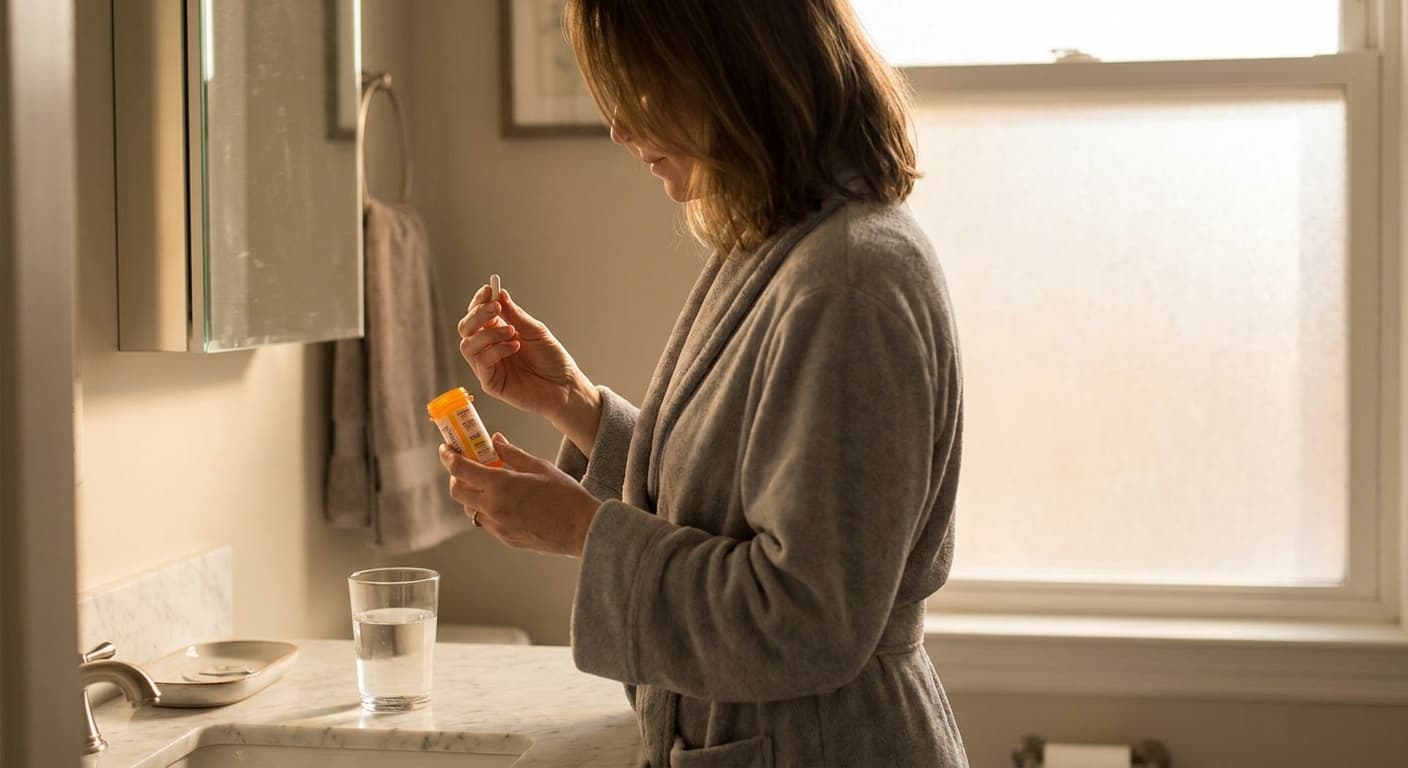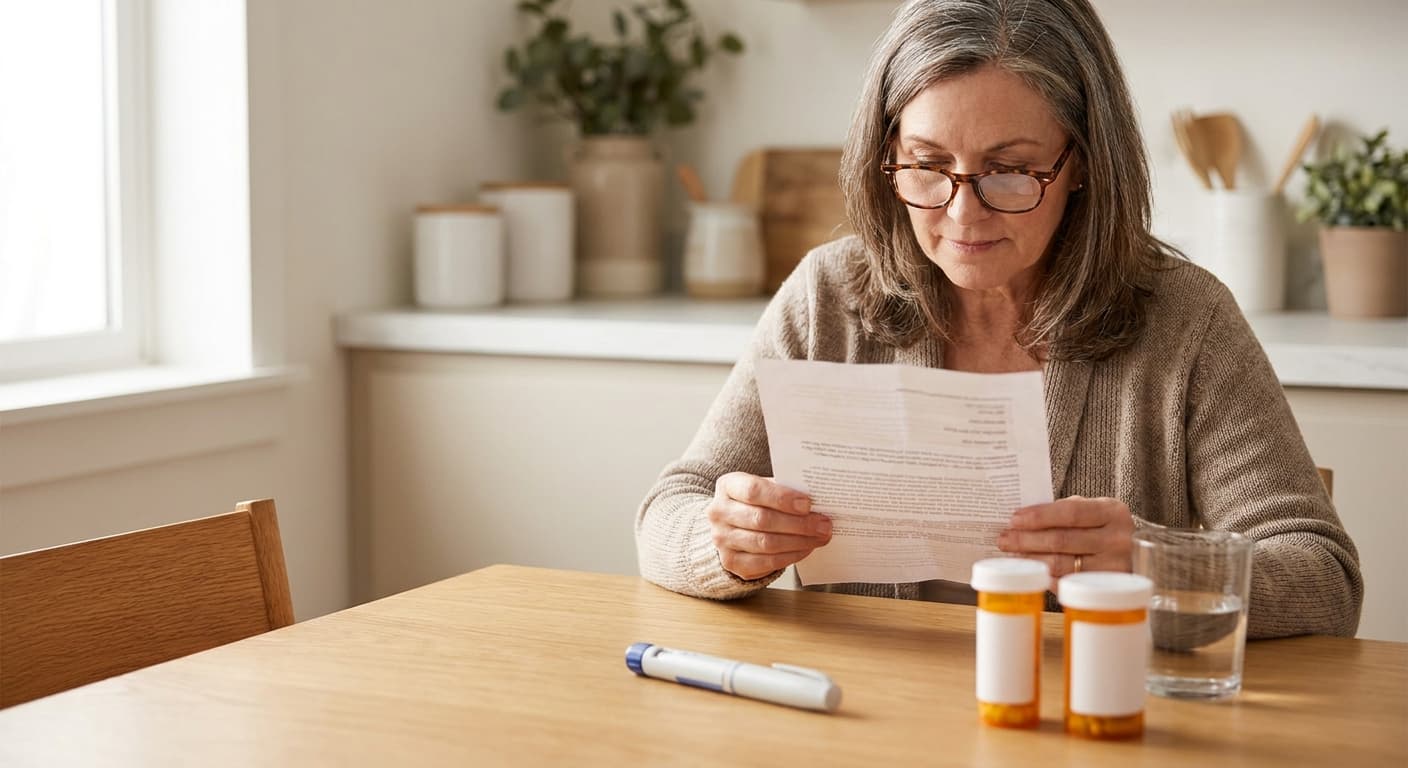

Can You Take Ozempic or Wegovy If You Have Gastroparesis?
Understanding the Short Answer
The simple answer is: probably not. Most doctors recommend avoiding Ozempic and Wegovy if you have gastroparesis. These medications can make the condition worse.
Gastroparesis is a serious stomach problem. It means your stomach muscles don't work properly. Food moves through your stomach too slowly. This causes nausea, vomiting, and other uncomfortable symptoms.
Both Ozempic and Wegovy slow down stomach emptying. This is how they help with weight loss. But for people with gastroparesis, this effect is dangerous.
What Is Gastroparesis and How Does It Work?
Gastroparesis means "stomach paralysis." Your stomach normally contracts to push food into your small intestine. With gastroparesis, these muscles don't work well.
Food stays in your stomach longer than it should. This can cause:
- Severe nausea and vomiting
- Bloating and abdominal pain
- Early feeling of fullness
- Weight loss (unintended)
- Blood sugar problems
- Nutrient deficiencies
Gastroparesis can be caused by diabetes, surgery, or medications. Sometimes the cause is unknown.
How Do Ozempic and Wegovy Affect Your Stomach?
Both medications are GLP-1 receptor agonists. They work by slowing gastric emptying. This means food stays in your stomach longer.
This effect helps with weight loss in healthy people. Your stomach empties slower, so you feel full longer. You eat less naturally.
But this same effect is harmful if you already have gastroparesis. Adding a medication that slows stomach function makes the problem worse.
Why Gastroparesis Makes These Medications Risky
Taking Ozempic or Wegovy with gastroparesis can cause serious problems:
Worsening Symptoms
- Nausea and vomiting may become severe
- Abdominal pain could increase
- Bloating may be unbearable
Nutritional Problems
- Food moves through too slowly
- Your body absorbs fewer nutrients
- You may develop deficiencies
Medication Complications
- Pills may not absorb properly
- Your blood sugar becomes harder to control
- Other medications may not work well
Stomach Damage
- Prolonged food contact can damage stomach lining
- Risk of bezoars (food blockages) increases
- Emergency surgery might be needed
What Do Medical Guidelines Say?
The FDA labels for Ozempic and Wegovy include warnings about gastroparesis. The medications are contraindicated (not recommended) for people with this condition.
The American Diabetes Association recognizes this risk. Healthcare providers are trained to screen for gastroparesis before prescribing GLP-1 medications.
If you have gastroparesis or symptoms suggesting it, tell your doctor before starting any GLP-1 medication.
Signs You Might Have Gastroparesis
Do you experience these symptoms regularly?
- Nausea after eating
- Vomiting undigested food hours after eating
- Feeling too full too quickly
- Stomach pain or cramping
- Bloating even with small meals
- Unexplained weight loss
- Acid reflux that won't go away
If you have several of these symptoms, ask your doctor about gastroparesis screening. Don't start Ozempic or Wegovy until you know your stomach function is normal.
How Is Gastroparesis Diagnosed?
Your doctor may use several tests:
Gastric Emptying Scan
- You eat food with a radioactive marker
- A camera tracks how fast it leaves your stomach
- Takes 1-4 hours
Upper Endoscopy
- A camera goes down your throat
- Doctor sees inside your stomach
- Checks for blockages or damage
Stomach Ultrasound
- Sound waves create images
- Shows if food is staying too long
- Non-invasive and safe
Breath Test
- You eat food with a special marker
- Your breath is tested over time
- Shows stomach emptying rate
What Are Your Alternatives?
If you have gastroparesis, you have other options for weight loss and diabetes management.
Other GLP-1 Options
- Some newer GLP-1 medications have less effect on stomach emptying
- Talk to your doctor about which ones might be safer
- Always discuss your gastroparesis history first
Oral Medications
- SGLT2 inhibitors help with diabetes and weight loss
- DPP-4 inhibitors can manage blood sugar
- Metformin is a first-line diabetes medication
Lifestyle Changes
- Eating smaller, frequent meals helps
- Avoiding high-fat and high-fiber foods reduces symptoms
- Staying hydrated is important
- Gentle exercise aids digestion
Gastroparesis-Specific Treatments
- Metoclopramide (Reglan) helps stomach muscles contract
- Domperidone is used in some countries
- Dietary changes are the foundation
Surgical Options
- Gastric electrical stimulation (pacemaker for stomach)
- Reserved for severe cases
- Requires specialist consultation
Managing Gastroparesis First
If you have gastroparesis, treating it comes before weight loss medication. Here's why:
Your stomach health is foundational. Once it's more stable, you and your doctor can explore other options. Rushing into GLP-1 medications could land you in the emergency room.
Steps to Take:
- Get properly diagnosed by a gastroenterologist
- Start gastroparesis-specific treatments
- Follow dietary recommendations
- Track your symptoms (use a Symptom Tracker to monitor patterns)
- Wait for improvement before considering other medications
- Discuss alternatives with your doctor when ready
Real-World Considerations
People with gastroparesis often struggle with weight management. This is frustrating. Your stomach problems make eating difficult. Yet weight loss medications aren't an option.
This is temporary. Many gastroparesis cases improve with proper treatment. Some people achieve complete remission. Others learn to manage symptoms well enough to pursue other weight management strategies.
Work with a gastroenterologist and your primary care doctor together. They can coordinate safe options for you.
When to Contact Your Healthcare Provider
Call your doctor immediately if you have:
- Severe vomiting that won't stop
- Inability to keep food or fluids down
- Severe abdominal pain
- Signs of dehydration (dizziness, dark urine, extreme thirst)
- Unexplained weight loss
- Difficulty taking other medications
Don't wait if symptoms suddenly worsen. Gastroparesis can become a medical emergency.
Using Dose AI to Track Your Symptoms
If you're managing gastroparesis, tracking is crucial. Dose AI's Symptom Tracker helps you record daily symptoms and reveal patterns.
Log:
- When nausea occurs
- What foods trigger symptoms
- Medication effectiveness
- How your stomach feels throughout the day
This data helps your doctor understand your condition better. You'll notice patterns too. Share this information at your appointments.
FAQ: Common Questions About Gastroparesis and GLP-1 Medications
Q: Can I ever take Ozempic or Wegovy if I have gastroparesis?
A: Probably not safely. Most doctors recommend avoiding these medications entirely. If your gastroparesis completely resolves, discuss it with your doctor. But this is rare.
Q: Does gastroparesis always mean I can't take GLP-1 medications?
A: Yes, current medical guidelines recommend against it. The risks outweigh benefits. Your doctor may suggest alternatives that work better for your situation.
Q: How long does it take to treat gastroparesis?
A: It varies widely. Some people improve in weeks or months. Others take longer. Severe cases may take a year or more. Consistency with treatment matters.
Q: Can I use Dose AI if I have gastroparesis?
A: Yes! Dose AI's Food & Macro Logging and Symptom Tracker are helpful tools. Track what you eat and how it affects you. The AI analyzes patterns to help you identify trigger foods and successful meals.
Q: What if my doctor wants to prescribe Ozempic despite my gastroparesis?
A: Ask questions. Request a second opinion from a gastroenterologist. Discuss the risks specifically. Your safety comes first. If your doctor insists, you can seek care elsewhere.
The Bottom Line
Ozempic and Wegovy are not safe for people with gastroparesis. These medications slow stomach emptying, which makes gastroparesis worse.
Your first priority is treating the gastroparesis itself. Once your stomach function improves, explore other options with your doctor.
You deserve safe, effective treatment. That means addressing your gastroparesis first. Then finding weight management solutions that won't harm you.
Talk to your doctor. Be honest about your symptoms. Get properly diagnosed. And don't start any GLP-1 medication without discussing your complete digestive health history.
Medical Disclaimer
This article is for educational purposes only. It is not medical advice. Do not use this information to diagnose or treat gastroparesis or any other condition.
Always consult with a qualified healthcare provider before starting, stopping, or changing any medication. Your doctor knows your complete medical history and can provide personalized recommendations.
If you have gastroparesis or suspect you do, seek evaluation from a gastroenterologist or your primary care physician. GLP-1 medications like Ozempic and Wegovy require careful medical evaluation before use.
Emergency symptoms require immediate medical attention. Call 911 or go to the nearest emergency room if you experience severe symptoms.
Related Articles on Dose AI
- What Are the Most Common GLP-1 Side Effects?
- How to Manage Nausea While Taking Ozempic
- Comparing Ozempic, Wegovy, and Mounjaro: Which Is Right for You?
- Understanding GLP-1 Medications: A Beginner's Guide
Sources
- U.S. Food and Drug Administration. (2024). Ozempic (semaglutide) Prescribing Information. Retrieved from FDA.gov
- National Institute of Diabetes and Digestive and Kidney Diseases. (2024). Gastroparesis. Retrieved from NIDDK.nih.gov