
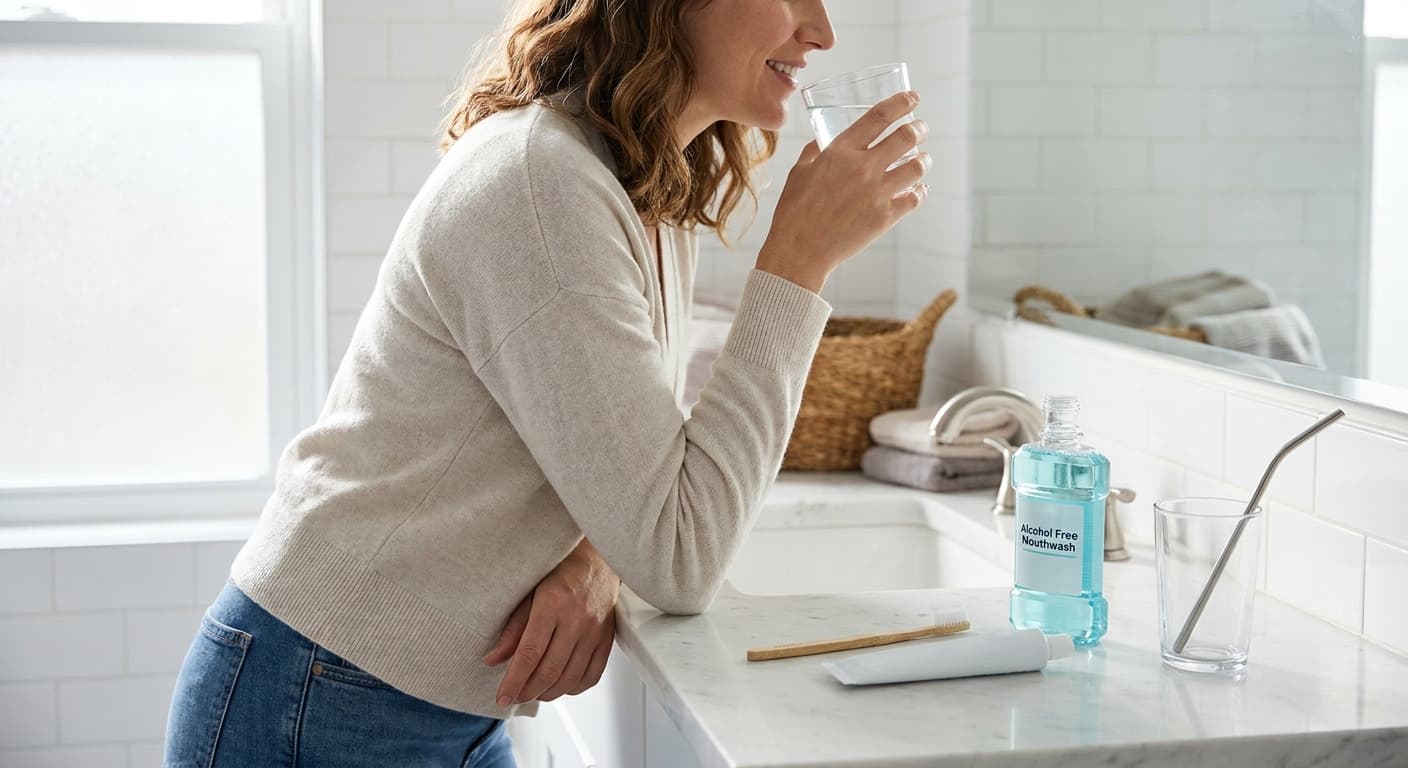
How Can You Protect Your Teeth and Gums While Taking GLP-1?
Taking a GLP-1 medication like Ozempic, Mounjaro, or Wegovy can help you manage your weight and blood sugar. But these medications can also affect your mouth health. Here's what you need to know and what you can do about it.
Why Do GLP-1 Medications Affect Your Teeth and Gums?
GLP-1 receptor agonists and tirzepatide (a GIP/GLP-1 receptor agonist) work by slowing digestion and affecting appetite signals in your brain. This process can have side effects on your oral health.
The main culprits:
- Dehydration: GLP-1 medications can reduce how much water your body holds onto. Less water means less saliva in your mouth.
- Dry mouth: Saliva protects your teeth and gums. Without enough saliva, bacteria grow faster and tooth decay increases.
- Nausea and vomiting: Some people feel nauseous on GLP-1s. Stomach acid from vomiting damages tooth enamel over time.
- Diet changes: You may eat less or choose different foods. This can affect your nutrient intake and gum health.
Research shows that dry mouth is linked to higher rates of cavities and gum disease. The good news? You can protect your teeth with simple steps.
How Can You Stay Hydrated to Protect Your Mouth?
Hydration is your first defense against dry mouth.
Daily hydration goals:
- Drink at least 8-10 glasses of water per day. More if you exercise or live in a hot climate.
- Sip water throughout the day instead of drinking large amounts at once.
- Avoid sugary drinks, energy drinks, and excessive caffeine. These dehydrate you further.
- Limit alcohol, which dries out your mouth.
Track your hydration: Use the Dose AI water logging feature to monitor your daily intake. Seeing your hydration patterns can help you identify when you're falling short. This data also helps you spot connections between dehydration and symptoms like dry mouth or headaches.
Pro tip: Keep a water bottle with you at all times. Make it a habit to take sips every 30 minutes.
What Should You Do About Dry Mouth?
If you're experiencing dry mouth despite drinking more water, try these strategies:
Saliva substitutes and stimulants:
- Use sugar-free lozenges or gum to stimulate saliva production.
- Try artificial saliva sprays or gels (ask your pharmacist for recommendations).
- Xylitol-based products can help protect teeth while moisturizing your mouth.
Natural remedies:
- Chew sugar-free gum for 20 minutes after meals.
- Suck on sugar-free mints or hard candies.
- Use a humidifier in your bedroom at night.
- Rinse your mouth with water frequently.
When to talk to your doctor:
If dry mouth is severe or doesn't improve with these steps, tell your healthcare provider. They may adjust your dose or recommend prescription saliva stimulants.
How Should You Brush and Floss?
Good oral hygiene is essential when taking GLP-1 medications.
Brushing tips:
- Brush twice a day with a soft-bristled toothbrush.
- Use fluoride toothpaste to strengthen enamel.
- Brush gently in circular motions. Don't scrub hard, which damages gums.
- Brush for at least 2 minutes.
- Wait 30 minutes after vomiting before brushing. Stomach acid softens enamel temporarily.
Flossing tips:
- Floss once daily, ideally before bed.
- Use gentle sawing motions between teeth.
- Don't snap the floss down hard on your gums.
- If traditional floss is hard to use, try water flossers or floss picks.
Electric toothbrushes: These can be gentler on gums and more effective at removing plaque. They're especially helpful if dry mouth makes your mouth feel sticky.
What Should You Eat to Support Dental Health?
Your diet directly impacts your teeth and gums.
Foods that strengthen teeth:
- Dairy products like yogurt, cheese, and milk (calcium and phosphorus strengthen enamel).
- Leafy greens like spinach and kale (nutrients support gum health).
- Fatty fish like salmon (vitamin D helps your body absorb calcium).
- Crunchy vegetables like celery and carrots (chewing stimulates saliva).
- Nuts and seeds (minerals support tooth structure).
Foods and drinks to limit:
- Sugary foods and drinks (bacteria feed on sugar and produce acid).
- Acidic foods like citrus fruits and soda (acid erodes enamel).
- Sticky foods like dried fruit and candy (they cling to teeth longer).
- Alcohol (it dries out your mouth).
Track your nutrition: Use the Dose AI food logging feature to photograph your meals. The AI analyzes your macros and nutrient intake. This helps you identify gaps in your diet that might affect gum health.
How Often Should You See Your Dentist?
Regular dental visits are crucial when taking GLP-1 medications.
Recommended schedule:
- Visit your dentist every 6 months for a cleaning and checkup.
- If you have dry mouth or gum disease, ask your dentist about more frequent visits.
- Tell your dentist you're taking a GLP-1 medication. They can monitor for side effects.
What to expect:
- Your dentist may take X-rays to check for cavities.
- They'll examine your gums for signs of disease.
- Professional cleaning removes tartar that brushing can't reach.
- They can recommend products tailored to your needs.
What Are the Signs of Dental Problems?
Watch for these warning signs and contact your dentist if you notice them:
- Tooth sensitivity: Pain when eating hot, cold, or sweet foods.
- Bleeding gums: Gums bleed when you brush or floss.
- Swollen or red gums: A sign of inflammation or infection.
- Persistent bad breath: May indicate gum disease or dry mouth.
- Loose teeth: A serious sign of advanced gum disease.
- Cavities: Dark spots or holes in your teeth.
Don't wait. Early treatment prevents bigger problems.
How Can the Dose AI App Help You Protect Your Teeth?
The Dose AI app has several features that support your oral health while taking GLP-1 medications:
Water Logging: Track your daily water intake to ensure you're staying hydrated. Dehydration is a major cause of dry mouth, which damages teeth and gums.
Food & Macro Logging: Photograph your meals and let AI analyze your nutrition. You'll see whether you're getting enough calcium, vitamin D, and other nutrients that strengthen teeth and gums.
Symptom Tracker: Log dry mouth, nausea, or other side effects daily. Over time, you'll see patterns. This data helps you and your doctor understand how your GLP-1 medication affects your oral health.
Shot Logging: Record when you take your GLP-1 injection. This helps you correlate your medication schedule with oral health changes.
Using these tools together gives you a complete picture of your health while taking GLP-1 medications.
Frequently Asked Questions
Can GLP-1 medications cause permanent tooth damage?
GLP-1 medications don't directly damage teeth, but their side effects like dry mouth and nausea can increase your risk of cavities and gum disease over time. The damage is preventable with good oral care and hydration. If you notice problems early, your dentist can treat them before they become serious.
Should I tell my dentist I'm taking a GLP-1 medication?
Yes, absolutely. Tell your dentist which GLP-1 medication you're taking (Ozempic, Mounjaro, Wegovy, Zepbound, or tirzepatide). They can watch for side effects and recommend products or treatments that work best for your situation.
Is dry mouth from GLP-1 medications permanent?
Dry mouth often improves as your body adjusts to the medication. It usually gets better within the first few weeks or months. If it persists, talk to your doctor. They may adjust your dose or prescribe treatments to help.
What if I have gum disease and want to start a GLP-1 medication?
Tell your doctor and dentist before starting a GLP-1 medication. They can help manage your gum disease while you begin treatment. Treating gum disease first may prevent complications.
Can I use mouthwash to prevent cavities?
Yes, but choose wisely. Use an alcohol-free, fluoride-containing mouthwash. Alcohol-based mouthwash dries out your mouth further. Rinse with mouthwash after brushing, but don't swallow it.
Related Dose AI Blog Articles
- How to Manage Nausea While Taking GLP-1 Medications
- What Should You Eat on GLP-1? A Beginner's Nutrition Guide
- How to Stay Hydrated on GLP-1: Daily Water Intake Goals
- Understanding Dry Mouth: A Common GLP-1 Side Effect
Medical Disclaimer
This article is for informational purposes only and does not replace professional medical advice. GLP-1 medications like Ozempic, Mounjaro, Wegovy, and Zepbound can affect your oral health in different ways. Always consult with your healthcare provider or dentist before making changes to your oral care routine or medication. If you experience severe dental problems, persistent dry mouth, or other concerning symptoms, contact your doctor or dentist immediately. This content is not intended to diagnose, treat, cure, or prevent any disease.
Sources:
- National Institutes of Health (NIH): "Xerostomia (Dry Mouth) and Dental Health," https://www.nidcr.nih.gov/
- American Dental Association (ADA): "Oral Health and Systemic Disease," https://www.ada.org/