How Can You Start Strength Training Safely on GLP-1?
Strength training while taking a GLP-1 receptor agonist like Ozempic, Mounjaro, Wegovy, or Zepbound can help you build muscle and improve your results. But you need to approach it carefully. Your body is already going through changes with your medication. Adding exercise the right way keeps you safe and strong.
This guide will help you start strength training without overdoing it. We'll cover nutrition, hydration, workout timing, and what to watch for.
Why Strength Training Matters on GLP-1
GLP-1 medications help you lose weight by reducing hunger and slowing digestion. But they can also affect muscle mass if you're not careful.
Here's what happens:
- Your appetite decreases, so you eat less overall
- You might lose both fat and muscle during weight loss
- Strength training helps preserve and build muscle as you lose weight
- More muscle means a faster metabolism and better long-term results
Strength training also improves your metabolic health beyond just weight loss. It helps your body use insulin better and builds stronger bones.
Should You Talk to Your Doctor First?
Yes, absolutely. Before starting any new exercise program on GLP-1, check with your healthcare provider.
Tell them:
- What type of strength training you want to do
- How many days per week you plan to exercise
- Any side effects you're experiencing from your GLP-1 medication
- Your current fitness level and exercise history
Your doctor can give you personalized advice. They might suggest starting slower or avoiding certain movements based on your health.
How to Prepare Your Body for Strength Training
Get Your Nutrition Right
Strength training requires adequate protein. Your muscles need it to repair and grow after workouts.
On GLP-1, eating enough protein is harder because you feel full faster. Here's what to do:
- Aim for protein at every meal (fish, chicken, eggs, Greek yogurt, tofu)
- Eat smaller, protein-focused meals instead of large ones
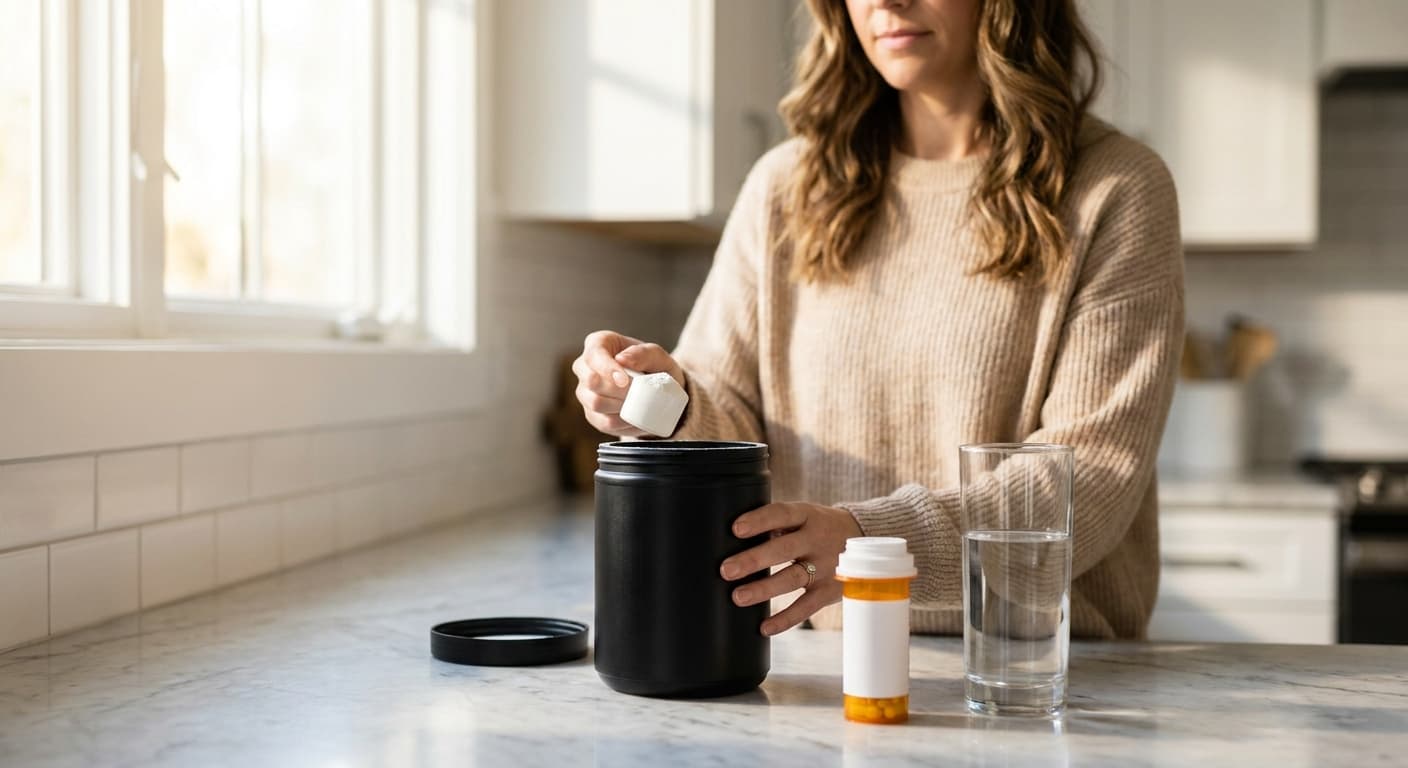
- Consider a protein shake if solid food feels too heavy
- Use the Dose AI Food Logging feature to track your protein intake by photo and see AI-analyzed macros
Your total daily calories still matter. You need enough energy for your workouts, but not so much that you undo your weight loss progress. Work with a registered dietitian if possible.
Stay Hydrated
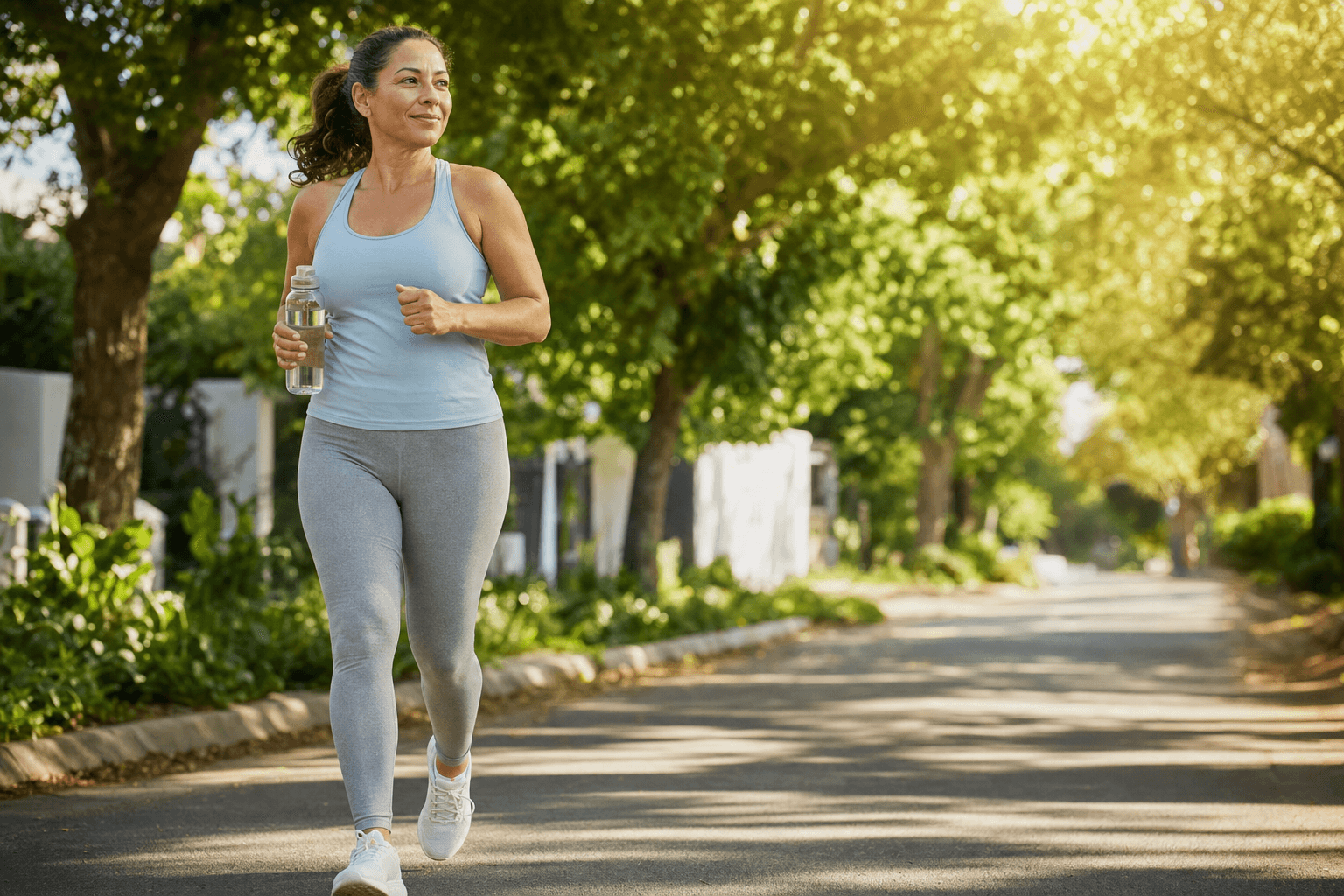
GLP-1 medications can increase your risk of dehydration. Strength training makes this worse because you sweat.
Drink water consistently throughout the day:
- Aim for at least 8-10 glasses of water daily
- Drink more on workout days
- Sip water before, during, and after your strength session
- Use the Dose AI Water Logging feature to track hydration and spot patterns with your side effects
Dehydration can cause dizziness, weakness, and nausea during exercise. It also makes nausea from GLP-1 worse.
Track Your Symptoms
Keep track of how you feel before, during, and after workouts. This helps you spot problems early.
Watch for:
- Unusual fatigue or weakness
- Dizziness or lightheadedness
- Nausea or stomach discomfort
- Shortness of breath
- Joint or muscle pain that doesn't improve
Use the Dose AI Symptom Tracker to record daily symptoms and reveal patterns. You might notice that certain workouts or times of day trigger side effects.
How to Start Strength Training Safely
Week 1-2: Get Your Body Ready
Start very light. Your body is adjusting to GLP-1 and exercise at the same time.
Do this:
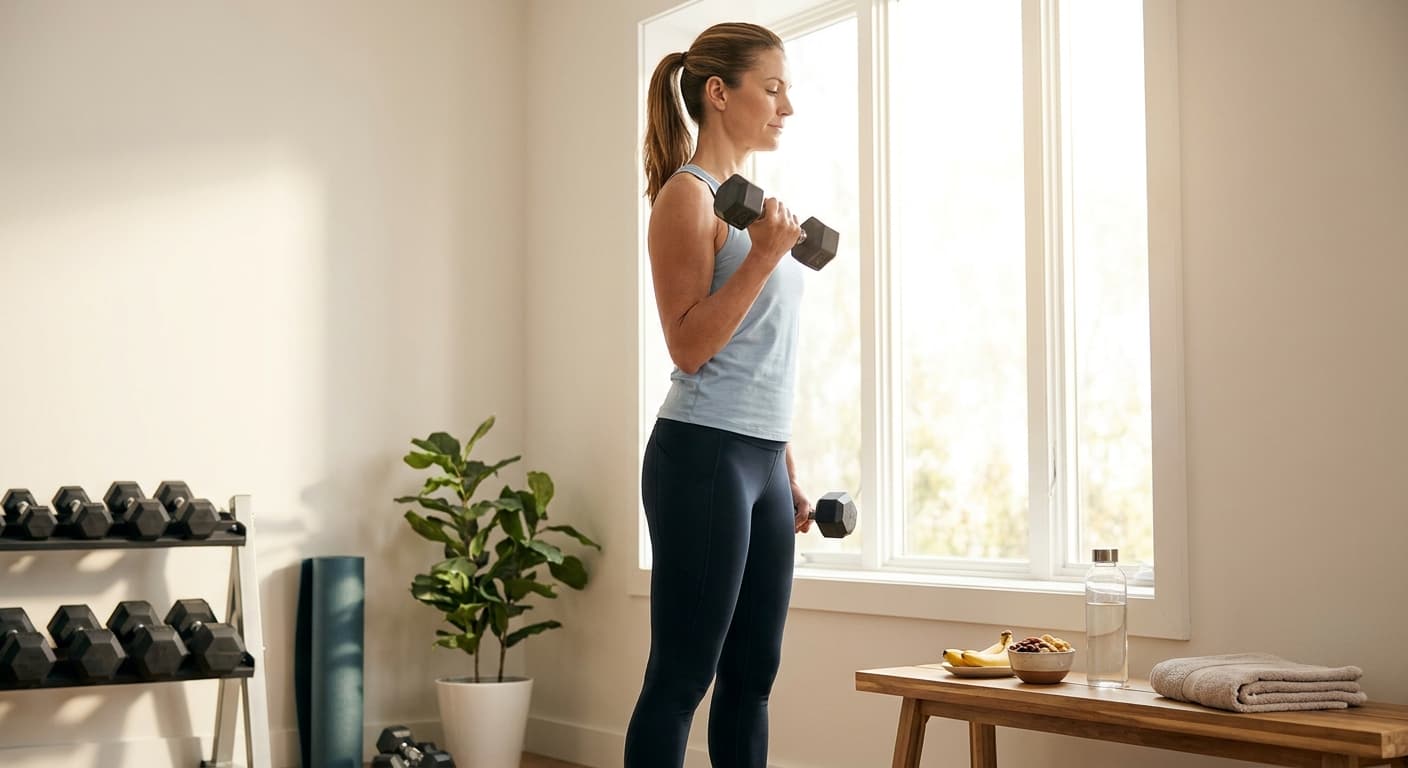
- Choose 2-3 days per week for strength training
- Pick 4-5 basic exercises (squats, push-ups, rows, shoulder presses, lunges)
- Use bodyweight only or very light weights
- Do 2 sets of 8-10 repetitions per exercise
- Rest at least one full day between workouts
This phase teaches your muscles and joints what to expect. It's not about building strength yet. It's about building the habit safely.
Week 3-4: Gradually Increase
Once the first two weeks feel manageable, add a bit more challenge.
Progress like this:
- Add one more set to each exercise (now 3 sets total)
- Increase weight slightly if it feels easy
- Add one more exercise if you want
- Keep rest days between workouts
Listen to your body. If you feel unusually tired or sore, stay at the current level for another week.
Week 5+: Build Your Program
After a month, you can start following a real strength training program. But keep it moderate.
A good beginner program includes:
- 3 days per week of strength training
- Full-body workouts or upper/lower body splits
- 3 sets of 8-12 repetitions per exercise
- Progressive overload (gradually increasing weight)
- 48 hours of rest between working the same muscles
Timing Your Workouts Around Your GLP-1 Shot
Your GLP-1 shot timing affects how you feel during workouts. Plan accordingly.
If You Take Your Shot on a Specific Day
Many people take their GLP-1 shot once per week (Ozempic, Mounjaro, Wegovy, Zepbound). Side effects are often strongest in the first 24-48 hours after injection.
Try this:
- Take your shot on a day you don't plan intense workouts
- Do light activity the day of your shot
- Do your hardest strength workouts 3-4 days after injection
- This gives your body time to adjust to the medication
If Side Effects Last Longer
Some people feel nausea or fatigue for several days after their shot. Track this with the Dose AI Symptom Tracker to see your pattern.
If this is you:
- Plan your toughest workouts on your best days
- Do lighter workouts on harder days
- It's okay to skip a workout if you feel terrible
- Consistency matters more than intensity
What Strength Exercises Are Safe?
Start with these basic, safe movements:
Lower Body:
- Squats (bodyweight or with light weight)
- Lunges (forward, reverse, or walking)
- Leg press machines
- Calf raises
- Glute bridges
Upper Body:
- Push-ups (on knees if needed)
- Dumbbell rows
- Shoulder presses
- Bicep curls
- Tricep dips
Full Body:
- Deadlifts (start light)
- Kettlebell swings (light weight)
- Plank holds
- Mountain climbers
Avoid these until you're more experienced:
- Heavy barbell lifts
- Explosive plyometric movements (jumping, box jumps)
- High-impact cardio mixed with strength on the same day
- Exercises that cause sharp pain
Form matters more than weight. Bad form with heavy weight causes injury. Good form with light weight builds strength safely.
Signs You're Pushing Too Hard
Your body will tell you if you're doing too much. Listen to these warning signs:
- Dizziness or feeling faint during workouts
- Severe nausea that lasts hours after exercise
- Chest pain or pressure
- Shortness of breath that doesn't improve with rest
- Extreme fatigue that affects your daily life
- Persistent joint pain
- Inability to eat enough to support your training
If you notice any of these, stop and rest. Talk to your doctor before your next workout.
How to Use Dose AI to Support Your Strength Training
Dose AI has several features that help you train safely on GLP-1:
Shot Logging: Track when you took your GLP-1 injection. Use this to plan your workout intensity around your injection schedule.
Water Logging: Log your daily water intake. Strength training increases dehydration risk. Track hydration to prevent side effects and improve workout performance.
Food & Macro Logging: Take a photo of your meals and Dose AI analyzes the macros. Make sure you're eating enough protein and calories to support your training.
Symptom Tracker: Record how you feel daily. Notice patterns between your symptoms, workouts, and GLP-1 doses. Share this data with your doctor.
Progress Tracker: Log your weight and photos over time. See how strength training changes your body composition, not just the scale.
Personalized Food Idea Assistant: Get AI meal suggestions that fit your GLP-1 needs and training goals. Find high-protein meals that don't feel too heavy.
Common Questions About Strength Training on GLP-1
Can I do cardio and strength training on the same day?
Yes, but be careful. Start by doing them on separate days. Once you're stronger and eating enough, you can combine them. Do strength training first when you have more energy. Then do light cardio after.
Will strength training interfere with my weight loss?
No. Strength training actually helps weight loss. Muscle burns more calories at rest than fat. You might see the scale move slower because muscle weighs more than fat, but your body composition improves. Use the Dose AI Progress Tracker with photos to see the real changes.
How much should I eat to support strength training on GLP-1?
You need enough calories for energy and recovery, but not so much that you stop losing weight. Work with a registered dietitian. Most people on GLP-1 doing strength training need 1,500-2,000 calories per day. Track your food with Dose AI to find your right amount.
What if I feel weak during workouts?
Weakness often means you're not eating enough, not sleeping enough, or not hydrated enough. Check all three. If weakness continues, talk to your doctor. You might need to adjust your GLP-1 dose or take a break from intense training.
Can I build muscle while losing weight on GLP-1?
Yes, but it's slower than normal. Eating enough protein and doing strength training helps preserve muscle as you lose fat. The Dose AI Food Logging feature helps you track protein intake easily.
When to Contact Your Doctor
Reach out to your healthcare provider if you experience:
- Chest pain or pressure during or after exercise
- Severe shortness of breath
- Fainting or severe dizziness
- Persistent joint pain that doesn't improve with rest
- Inability to eat enough to support your activity level
- Signs of dehydration that don't improve with water
- Any other unusual symptoms during or after workouts
Your doctor can help you adjust your training plan or GLP-1 dose if needed.
Medical Disclaimer
This article is for educational purposes only and should not replace professional medical advice. Always consult with your healthcare provider before starting any new exercise program, especially while taking GLP-1 medications like Ozempic, Mounjaro, Wegovy, Tirzepatide, or Zepbound.
GLP-1 receptor agonists are FDA-approved medications for type 2 diabetes and chronic weight management. Individual responses vary. Your doctor can provide personalized guidance based on your health history, current fitness level, and medication regimen.
If you experience chest pain, severe shortness of breath, fainting, or other emergency symptoms during exercise, seek immediate medical attention.
Related Dose AI Articles
- How Much Water Should You Drink on GLP-1?
- The Complete Nutrition Guide for GLP-1 Users
- Best Foods for Muscle Building on Ozempic
- Managing Nausea During Workouts on GLP-1
- How to Track Your GLP-1 Progress Effectively
Sources
- National Institute of Diabetes and Digestive and Kidney Diseases (NIDDK). "Diabetes, Heart Disease, and Stroke." https://www.niddk.nih.gov/
- American Diabetes Association. "Physical Activity and Exercise." Standards of Care in Diabetes, 2024. https://care.diabetesjournals.org/