Can GLP-1 Medications Cause Insomnia or Sleep Problems?
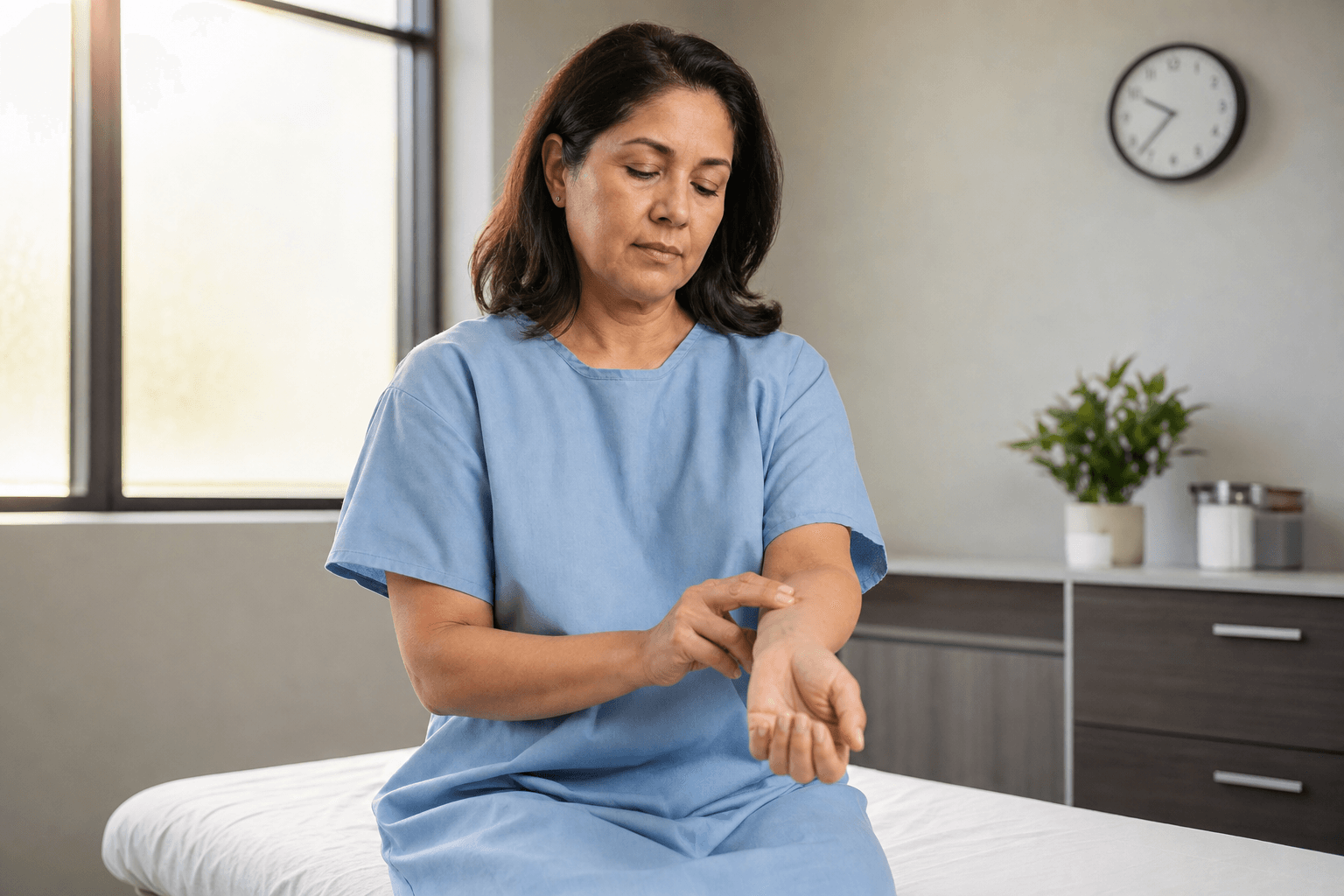
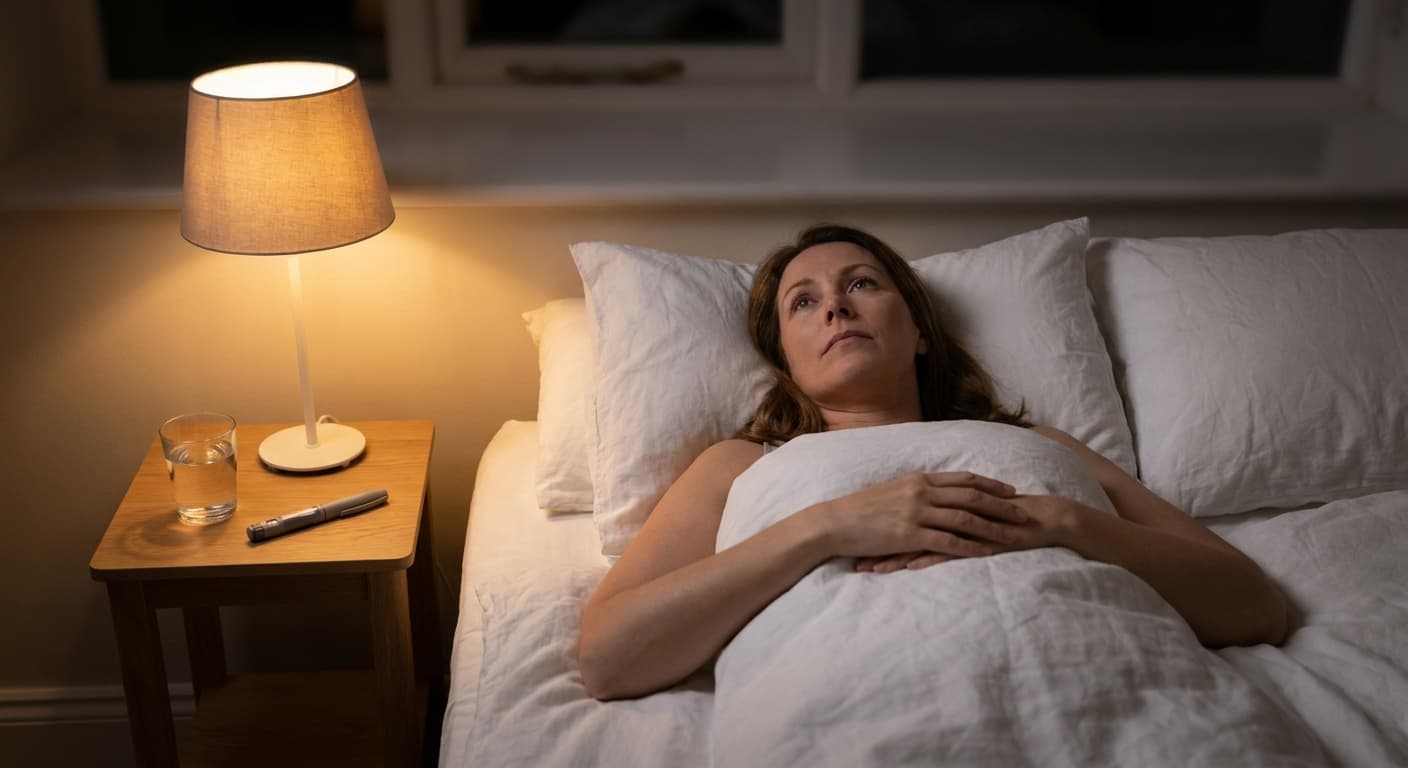
Yes, some people taking GLP-1 medications report sleep issues. Sleep problems are not the most common side effect, but they do happen. Understanding why this occurs can help you manage it better.
What Are GLP-1 Medications?
GLP-1 receptor agonists are medications that help with weight loss and blood sugar control. Common ones include:
- Ozempic (semaglutide) - for type 2 diabetes
- Wegovy (semaglutide) - for weight loss
- Mounjaro (tirzepatide) - for type 2 diabetes
- Zepbound (tirzepatide) - for weight loss
These medications work by slowing digestion and reducing hunger signals in your brain.
Can GLP-1 Medications Cause Sleep Problems?
Sleep issues are reported by some GLP-1 users, though they are not extremely common. The FDA has noted sleep disturbances in clinical trials, but they occur in a small percentage of people.
Sleep problems with GLP-1s can include:
- Trouble falling asleep
- Waking up during the night
- Restless sleep
- Vivid or unusual dreams
Not everyone experiences these issues. Some people sleep perfectly fine on GLP-1s.
Why Might GLP-1s Affect Sleep?
Several factors may explain sleep problems with GLP-1 medications:
Blood Sugar Changes
GLP-1s lower blood sugar levels. When blood sugar drops too low at night, your body wakes up. This is called nocturnal hypoglycemia. Your body releases stress hormones to raise blood sugar, disrupting sleep.
Nausea and Stomach Discomfort
Nausea is a common early side effect of GLP-1s. An upset stomach makes it hard to sleep comfortably. You might toss and turn all night.
Anxiety and Nervousness
Some people feel more anxious when starting GLP-1 medications. Anxiety keeps your mind active and makes falling asleep difficult.
Changes in Appetite and Eating Patterns
GLP-1s reduce hunger, so you eat less. Eating too little can affect energy levels and sleep quality. Your body needs fuel to rest properly.
Medication Timing
Taking your GLP-1 injection at the wrong time might affect sleep. Some people feel more alert after their shot.
Dehydration
GLP-1s can cause nausea and reduced fluid intake. Dehydration disrupts sleep quality. Staying hydrated is crucial for good rest. Use the Water Logging feature in Dose AI to track your daily hydration and ensure you're drinking enough.
How Common Are Sleep Problems with GLP-1s?
Sleep disturbances are not among the most frequently reported side effects. In clinical trials, insomnia occurred in a small percentage of users. Most people adjust within a few weeks.
However, if you experience severe or persistent sleep problems, talk to your doctor. They can help determine if the medication is the cause.
What Should You Do If You Can't Sleep?
Start With Simple Changes
Try these steps first:
- Keep a consistent sleep schedule (go to bed and wake up at the same time)
- Avoid screens one hour before bed
- Keep your bedroom cool, dark, and quiet
- Limit caffeine after 2 PM
- Avoid large meals close to bedtime
- Exercise during the day (but not right before bed)
Track Your Sleep Patterns
Use Dose AI's Symptom Tracker to log sleep issues daily. Note when you sleep poorly and what you did that day. Over time, patterns emerge. You might discover that nausea or anxiety triggers your insomnia.
Also track:
- What time you took your GLP-1 shot
- What and when you ate
- Your mood and stress level
- Any nausea or stomach discomfort
Manage Nausea
If nausea is keeping you awake:
- Eat smaller, more frequent meals
- Avoid greasy or spicy foods
- Eat slowly and chew well
- Drink ginger tea or eat ginger
- Take your GLP-1 at a different time of day (ask your doctor first)
Check Your Blood Sugar
If you have diabetes, low blood sugar at night might be the problem. Work with your doctor to monitor nighttime blood sugar levels.
Reduce Anxiety
If anxiety is affecting sleep:
- Try deep breathing exercises before bed
- Practice meditation or gentle yoga
- Limit stressful activities in the evening
- Talk to a therapist or counselor
Adjust Your Injection Timing
Some people sleep better when they take their GLP-1 at a different time. Talk to your doctor about when to inject. Never change your injection schedule without medical guidance.
When Should You Contact Your Doctor?
Reach out to your healthcare provider if:
- Sleep problems last more than 2-3 weeks
- You feel exhausted during the day
- Sleep issues are affecting your work or daily life
- You experience severe nightmares or night sweats
- You have other concerning symptoms
Your doctor might:
- Adjust your dose
- Change when you take your medication
- Switch you to a different GLP-1
- Refer you to a sleep specialist
How Long Do Sleep Problems Last?
Most people who experience sleep issues adjust within 2-4 weeks. Your body adapts to the medication. Sleep typically improves as side effects fade.
If sleep problems persist beyond a month, talk to your doctor. They can help troubleshoot the cause.
Tips for Better Sleep on GLP-1s
Nutrition Matters
Eat balanced meals with protein, healthy fats, and fiber. Use Dose AI's Food & Macro Logging feature to track what you eat. The app analyzes your macros by photo, helping you see if your eating patterns affect sleep.
Avoid:
- Alcohol, especially at night
- Sugary snacks before bed
- Large meals within 3 hours of sleep
Stay Hydrated
Drink water throughout the day. Dehydration worsens nausea and disrupts sleep. Log your water intake in Dose AI to ensure you're hitting your hydration goals.
Move Your Body
Regular exercise improves sleep quality. Aim for 30 minutes of movement most days. But avoid intense workouts close to bedtime.
Manage Stress
Stress and anxiety interfere with sleep. Try:
- Journaling
- Meditation apps
- Yoga
- Talking to someone you trust
Create a Sleep Routine
Your body responds to routine. A consistent bedtime ritual signals your brain it's time to rest.
Try:
- A warm bath
- Reading a book
- Gentle stretching
- Calming music
GLP-1s and Sleep: The Bottom Line
Sleep problems can happen with GLP-1 medications, but they are not the norm. Most people sleep fine. If you do experience insomnia, it usually improves within weeks.
Simple changes often help. Track your symptoms, manage nausea, stay hydrated, and maintain a good sleep routine. If problems persist, talk to your doctor.
Remember: You are not alone in this. Many people on GLP-1s have temporary sleep issues that resolve with time and adjustments.
Frequently Asked Questions
Will sleep problems go away on their own?
Yes, most people see improvement within 2-4 weeks as their body adjusts. If sleep issues persist beyond a month, contact your doctor.
Can I take sleep medication with my GLP-1?
Talk to your doctor before taking any sleep aids. Some medications interact with GLP-1s. Your doctor can recommend safe options.
Is it safe to reduce my GLP-1 dose to sleep better?
Never change your dose without talking to your doctor. They can adjust your dose safely if needed.
Should I stop taking my GLP-1 if I can't sleep?
Do not stop your medication without medical guidance. Talk to your doctor about your sleep concerns. They can help find solutions.
Can GLP-1s cause nightmares?
Some people report vivid or unusual dreams on GLP-1s. This is less common but can happen. Dreams usually normalize as your body adjusts.
Related Dose AI Resources
Explore these topics to support your GLP-1 journey:
- How to manage nausea and GLP-1 side effects
- Best nutrition practices for GLP-1 users
- Exercise and fitness on weight loss medications
- Understanding GLP-1 medication side effects
Medical Disclaimer
This article is for informational purposes only and should not replace professional medical advice. GLP-1 medications like semaglutide (Ozempic, Wegovy), tirzepatide (Mounjaro, Zepbound), and others are prescription medications that require medical supervision.
Sleep disturbances may be a side effect of GLP-1 therapy. If you experience persistent insomnia, severe sleep problems, or other concerning symptoms, contact your healthcare provider immediately. Do not adjust your medication dose or stop taking your medication without medical guidance.
Always consult with your doctor or healthcare team before making changes to your treatment plan. Individual responses to medications vary, and your healthcare provider can offer personalized recommendations based on your medical history and current health status.
Sources:
-
U.S. Food and Drug Administration (FDA). Safety and efficacy data on GLP-1 receptor agonists. Retrieved from www.fda.gov
-
National Institutes of Health (NIH). Sleep disturbances and metabolic health in GLP-1 receptor agonist therapy. NCBI PubMed Central.